How Long Do Solar Panels Last and When to Replace Them
How long do solar panels last? Most are built for 25 to 30 years and lose about 0.5% of output a year, per NREL data. Here is when to replace them.

Suraj Kadam
Published •15 min read
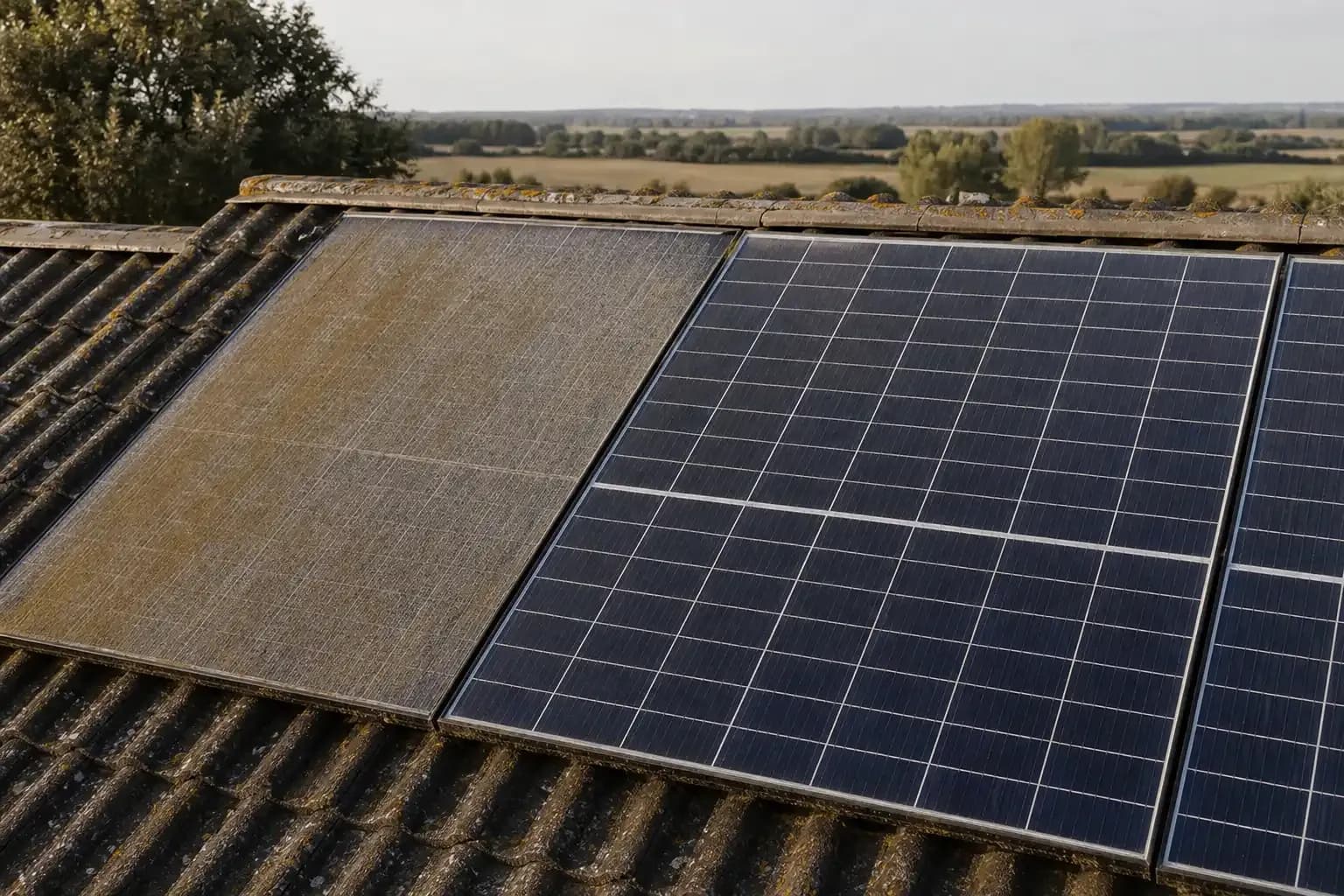
Here is the short answer to how long do solar panels last: most are designed for 25 to 30 years, and many keep working well beyond that. Solar panels rarely stop working all at once. Instead, they slowly lose a little output every year.
That slow decline is what decides when replacement makes sense. A review by the National Renewable Energy Laboratory, now the National Laboratory of the Rockies, of nearly 2,000 measured degradation rates found a median loss of about 0.5% a year.
Solar Panel Lifespan at a Glance
Degradation rate | After 10 years | After 20 years | After 25 years | After 30 years |
|---|---|---|---|---|
0.2% a year (low, best performers) | 98% | 96% | 95% | 94% |
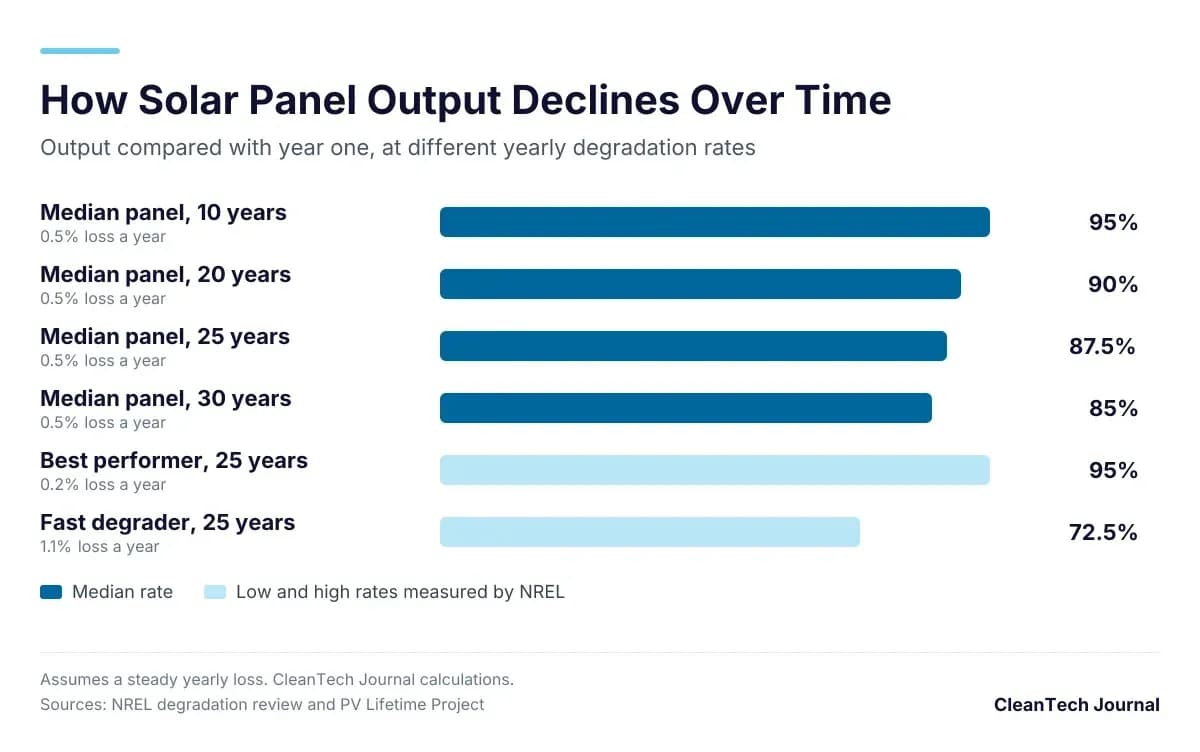
0.5% a year (median) | 95% | 90% | 87.5% | 85% |
1.1% a year (high) | 89% | 78% | 72.5% | 67% |
Percentages show output compared with the panel's first year. These are CleanTech Journal calculations assuming a steady yearly loss. The 0.2% rate is close to the best results and the 1.1% rate matches the worst result NREL measured among commercial modules in its PV Lifetime Project in Colorado.
How Long Do Solar Panels Last in Real Use?
The US Department of Energy says solar systems are typically designed for 25 to 30 years. Panel warranties usually run for 20 to 25 years, according to NREL.
There is no fixed end date, though. NREL notes that panels can keep producing after the warranty runs out, just with no guarantee on how much. At the median rate, a panel still produces about 90% of its original output after 20 years.
What Makes Solar Panels Degrade Faster
Heat, mounting and build quality
Degradation rates tend to be higher in hot climates and for rooftop systems, which run hotter than ground-mounted panels with more airflow underneath, according to NREL.
Quality also matters. In NREL's PV Lifetime Project, some modules lost as little as 0.1% to 0.2% a year, while one model lost 1.1% a year, a rate that accelerated in the most recent year of testing. For several modules, most of the loss came in the first year of operation.
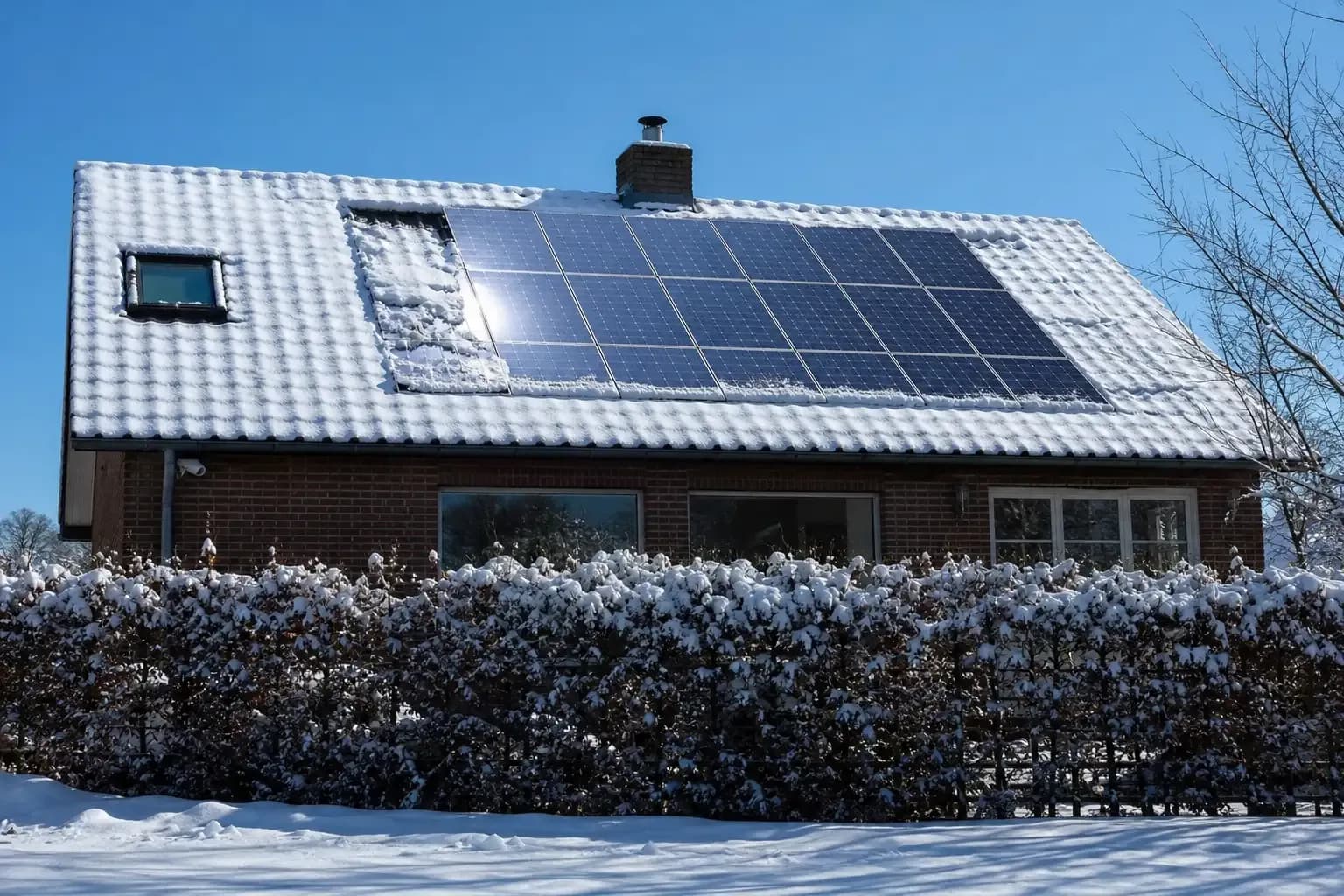
Other wear comes from the weather. Hail, heavy snow and ice can crack glass or frames, and repeated heating and cooling can stress the cells and wiring over time.
Signs It May Be Time to Replace Solar Panels
- Output has dropped well below the warranty guarantee. Compare your production with your installer's original estimate, adjusted for weather.
- Visible damage, such as cracked glass, burn marks, discoloration or delaminating layers.
- Frequent faults or safety issues, including damaged wiring or connectors.
- Your roof needs replacing. Panels must be removed for roof work, which can be a good time to upgrade older, lower-wattage panels.
- Your energy needs have grown, for example after buying an EV or heat pump, and newer panels would produce much more from the same roof.
Often, the first part to need replacing is not a panel but the inverter, which converts the panels' power for your home. Check its warranty separately from the panel warranty.
How to Make Solar Panels Last Longer
- Choose panels with a strong performance warranty and a reputable manufacturer.
- Have the system installed by a qualified installer, with proper wiring and mounting.
- Monitor production through your inverter app, so drops are spotted early.
- Keep panels clear of heavy debris and shade from growing trees.
- Book an inspection after severe hail or storms.
Frequently Asked Questions
What happens to solar panels at the end of their life?
They can be reused, resold or recycled. Glass and aluminum frames make up most of a panel's weight and are widely recyclable, and dedicated solar recycling services are growing in the US.
Do solar panels stop working when the warranty ends?
No. The warranty only guarantees a minimum level of output for a set period. Most panels keep producing electricity after it ends, at a slightly lower level. That is why the real answer to how long do solar panels last is usually longer than the warranty.
Is it worth buying a home with old solar panels?
It can be, but ask for the installation date, warranties and recent production data. Panels with 10 or more years left on their warranty and a healthy production record add the most value.
Do cheaper solar panels wear out faster?
Not always, but quality varies. NREL's field testing found large differences in degradation between brands, so warranty terms and independent test results are worth checking.
Can I add new panels to an old solar system?
Often yes, but the new panels may not match the old ones electrically, and the inverter may need upgrading. An installer can check whether mixing panels makes sense for your system.
SOURCES
- NREL: STAT FAQs Part 2 – Lifetime of PV panels
- NREL: Photovoltaic degradation rates – an analytical review
- NREL: PV Lifetime Project 2021 annual report
- US Department of Energy: Solar PV hardening for resilience – winter weather
Written by
Suraj Kadam
Suraj Kadam is a journalist and Chief Editor of CleanTech Journal, a knowledge and media platform covering clean technology, solar energy, and renewable energy. He reports on emerging technologies, industry developments, policy trends, and innovations shaping the global clean energy transition. Through his editorial work, Suraj aims to make complex clean technology topics accessible to industry professionals, researchers, policymakers, and readers interested in sustainable energy. His work focuses on delivering insightful, informative, and engaging coverage of the evolving renewable energy landscape.