Solar Panels vs Generator: Which Is Better for Home Backup?
Solar panels vs generator for home backup power: how solar with a battery compares with a fuel generator on outages, safety, running costs and noise.

Suraj Kadam
Published •14 min read
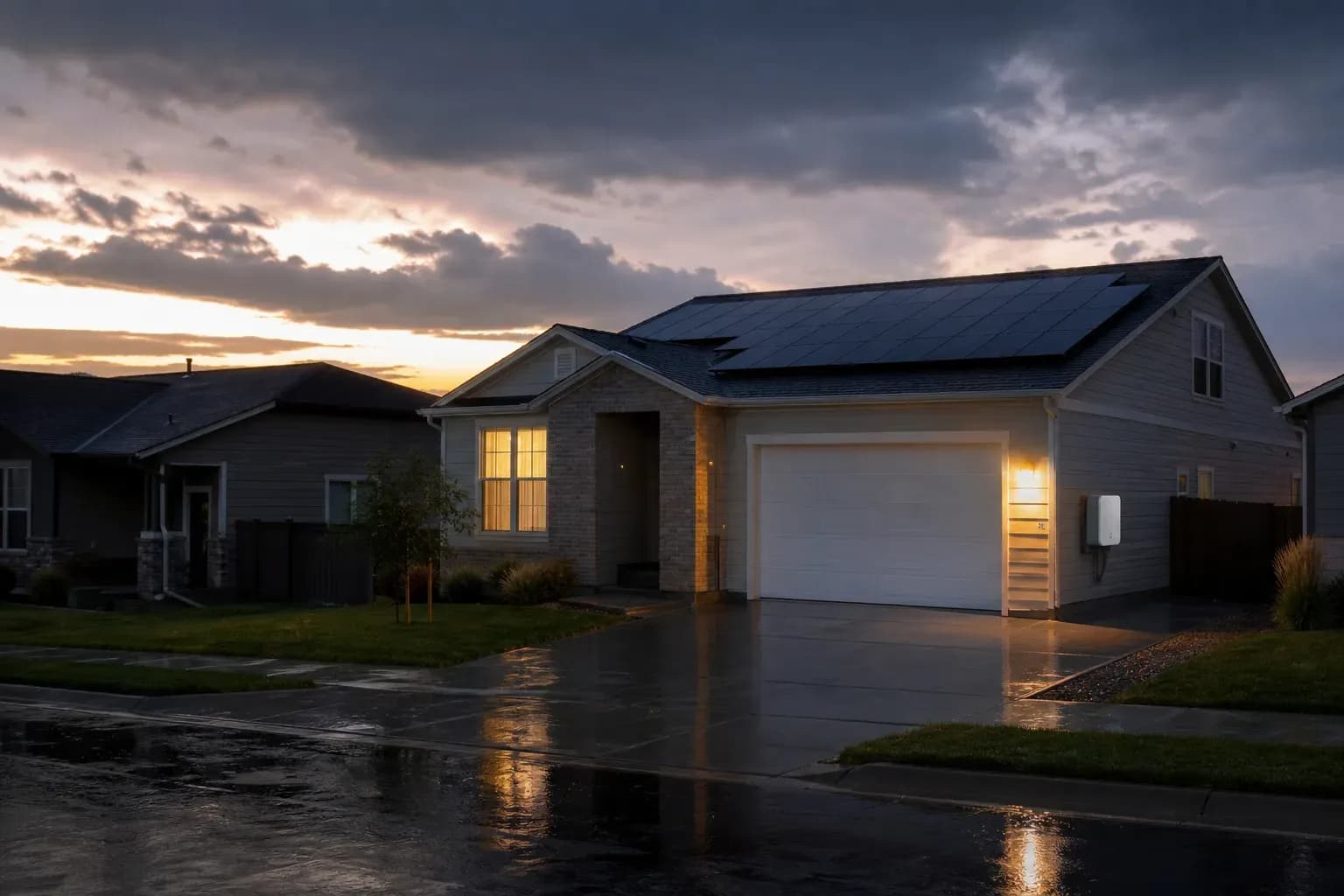
A storm knocks out the power on a hot summer night, and the choice of solar panels vs generator suddenly feels very real. Next door, a gas generator roars into life in the driveway. Across the street, the house with rooftop solar panels is just as dark as yours, unless it also has a battery.
That scene sums up the real question behind home backup power. Solar panels on their own usually do not keep the lights on during an outage, so the fair comparison is a solar-plus-battery system against a fuel-powered generator.
Why Home Backup Power Matters More Now
Outages are getting longer. According to the US Energy Information Administration, the average US electricity customer went without power for 11 hours in 2024, nearly twice the average of the previous decade.
Most of that came from major events such as hurricanes and winter storms, which accounted for nearly nine hours of interruptions per customer in 2024. From 2014 through 2023, major events averaged nearly four hours a year.
Why Solar Panels Alone Don't Provide Backup Power
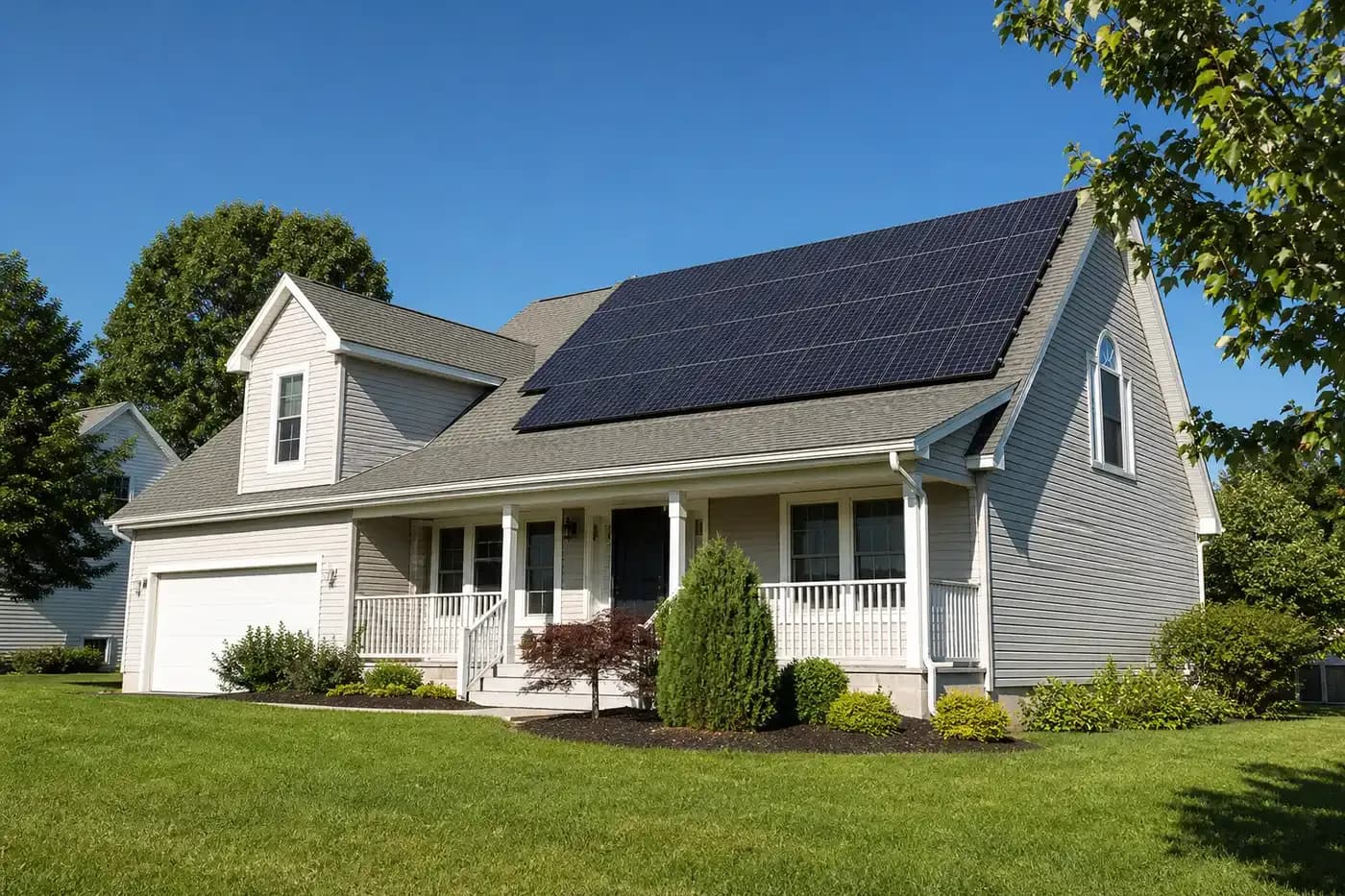
Most home solar systems are connected to the grid and are designed to shut off when the grid goes down. The US Department of Energy explains that most residential solar systems have to be connected to the grid to provide power, so if the grid is disrupted, your power is disrupted too.
The fix is to add energy storage or a generator. A battery stores solar energy and supplies the home when the grid fails, while the solar panels recharge it during the day.
Solar Panels vs Generator: How They Compare
Solar panels with battery | Fuel generator | |
|---|---|---|
Fuel | Sunlight, stored in the battery | Gasoline, diesel, propane or natural gas |
Noise and fumes | Quiet, no exhaust | Noisy, produces exhaust and carbon monoxide |
Long outages | Recharges each sunny day | Runs as long as fuel lasts |
Use outside outages | Cuts electricity bills every day | Sits idle until the next outage |
Upfront cost | Higher | Lower, especially for portable models |
Maintenance | Low | Regular servicing and fuel storage |
How Long Can Solar and a Battery Power a Home?
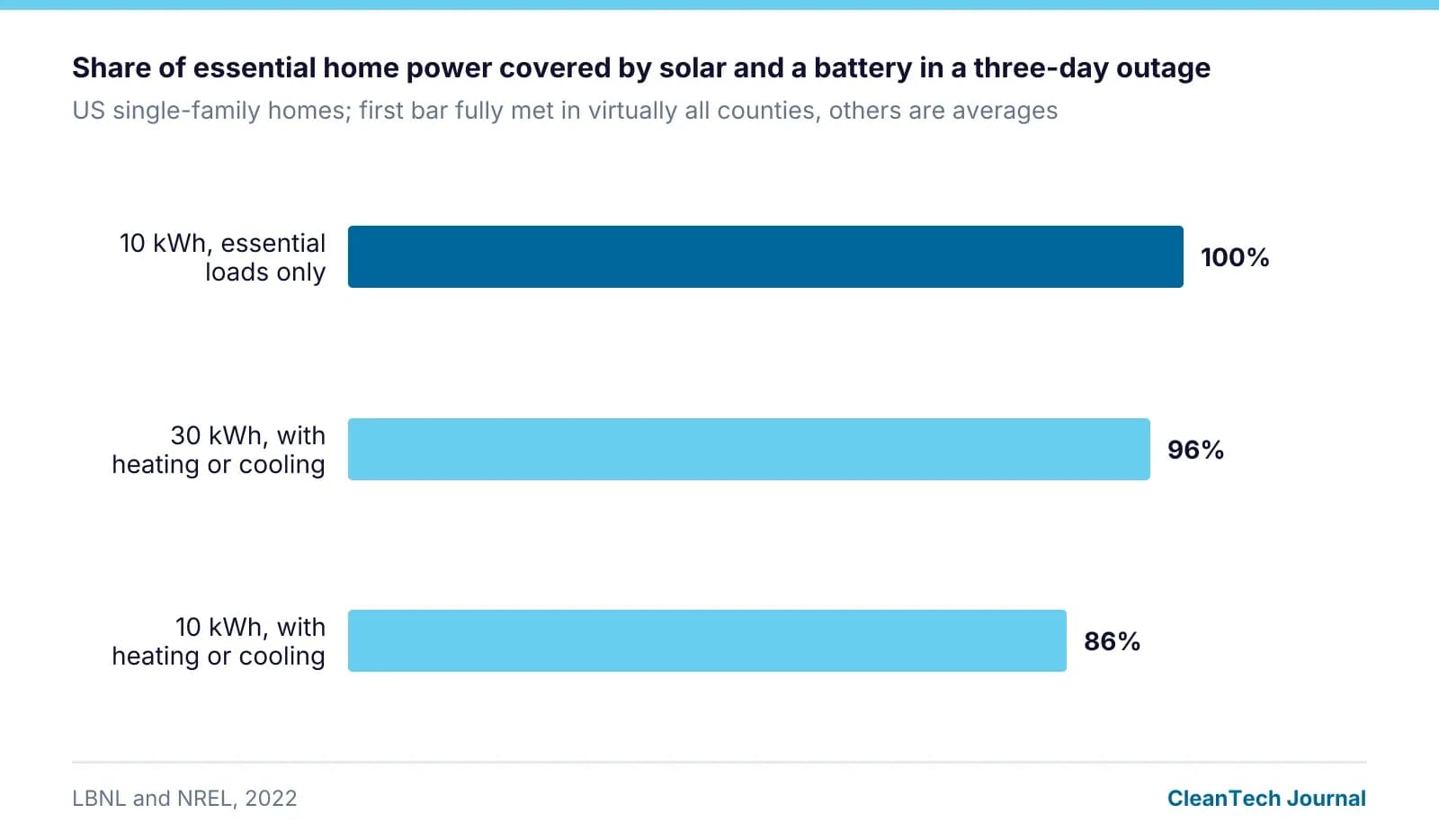
A 2022 study by Lawrence Berkeley National Laboratory and the National Renewable Energy Laboratory modeled solar-plus-storage systems in homes across the US during a three-day outage. The results depend heavily on what you need to keep running.
Essential loads only: a solar system paired with a 10 kWh battery could fully meet backup needs for critical loads, such as the fridge, lights and Wi-Fi, in virtually all US counties.
With heating or cooling: the same 10 kWh battery met an average of 86% of critical load, and a larger 30 kWh battery met 96%. Homes with electric resistance heating, or with large air-conditioning needs, saw the lowest results.
The Hidden Risks of Running a Generator
Generators can power a whole home through long outages, but they need careful use. The US Consumer Product Safety Commission recorded 770 carbon monoxide deaths linked to generators from 2011 to 2021, nearly all involving portable models.
CPSC advises running generators only outdoors, at least 20 feet from the home, away from windows, doors and vents, and never in a garage, basement or shed. It also recommends carbon monoxide alarms on every level of the home.
Which Is Better for Your Home?
In the solar panels vs generator decision, a generator is usually the cheaper way to cover rare, long outages and to run heavy loads such as central air or electric heating. It suits homes where outages are infrequent and there is a safe outdoor spot to run it.
Solar panels with a battery cost more upfront but work every day, lowering electricity bills between outages and providing silent, fume-free backup when the grid fails. Some homeowners combine both: solar and a battery for everyday use and short outages, with a generator as a last resort for multi-day storms in winter.
Frequently Asked Questions
Can I connect a generator to my solar system?
Yes, but it should be done by a qualified installer. Some battery systems are designed to accept a generator as a backup charging source, while others are not, and the wrong setup can damage equipment or create safety risks for utility workers.
Do I need a transfer switch for a home generator?
A transfer switch, or an approved interlock, is needed to connect a generator to your home's wiring. It isolates the home from the grid so power cannot flow back onto utility lines and endanger line workers.
How much of my home can a single battery back up?
Most homeowners back up a selected set of circuits, such as the fridge, lights, internet and some outlets. Backing up the whole home, including air conditioning or electric heating, usually requires more battery capacity or several batteries.
Are there incentives for home batteries?
Some states and utilities offer rebates or pay homeowners to share stored energy with the grid during peak demand. Programs vary widely by location, so check with your utility and state energy office.
How long does a home battery last?
Home batteries are typically warranted for around 10 years, with a guaranteed share of their original capacity at the end of the warranty. Actual life depends on how often the battery is cycled and the temperature where it is installed.
SOURCES
- US Energy Information Administration – Hurricanes in 2024 led to the most hours without power in 10 years
- US Department of Energy – The Road to Resilience with Rooftop Solar
- Lawrence Berkeley National Laboratory – Evaluating Solar-plus-Storage for Backup Power During Long-Duration Interruptions
- US Consumer Product Safety Commission – CO Poisoning from Engine-Driven Generators and Tools, 2011–2021
- US Consumer Product Safety Commission – Portable generators and carbon monoxide deaths
Written by
Suraj Kadam
Suraj Kadam is a journalist and Chief Editor of CleanTech Journal, a knowledge and media platform covering clean technology, solar energy, and renewable energy. He reports on emerging technologies, industry developments, policy trends, and innovations shaping the global clean energy transition. Through his editorial work, Suraj aims to make complex clean technology topics accessible to industry professionals, researchers, policymakers, and readers interested in sustainable energy. His work focuses on delivering insightful, informative, and engaging coverage of the evolving renewable energy landscape.