News at Glance
- Parish blocked a proposed $175 million solar farm after online falsehoods circulated.
- AI-driven content amplified misinformation, influencing public sentiment and the council decision.
- Incident highlights risks to renewable projects and raises calls for better community engagement and digital verification.
Parish council halts $175 million solar proposal amid online falsehoods
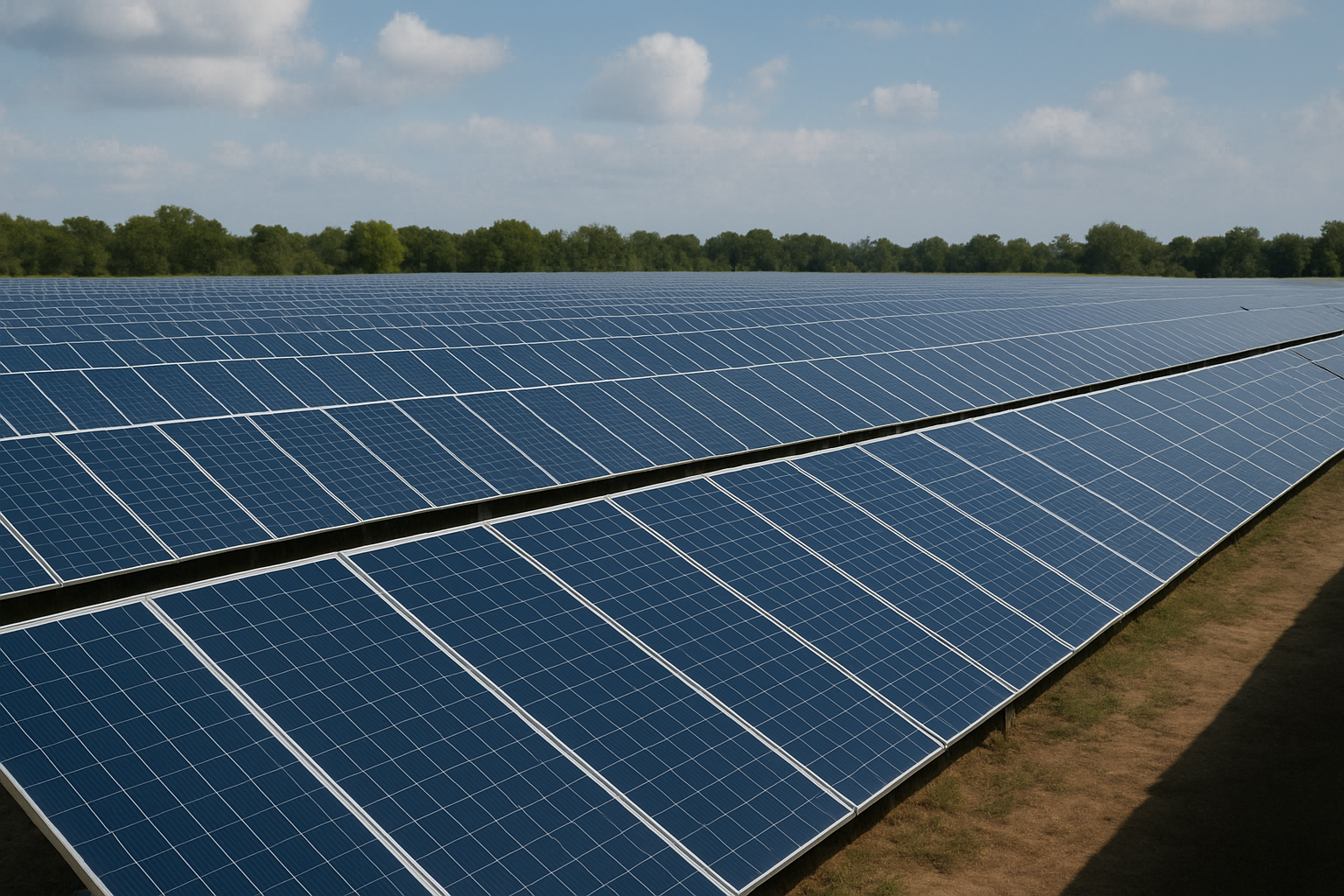
A Louisiana parish moved to block a proposed $175 million utility-scale solar installation after false information spread across social media, including images and claims attributed to artificial intelligence tools.
Local leaders cited concerns voiced by residents following viral posts that officials said were misleading. The decision to halt the project came amid heightened public debate over land use, grid impacts and property values.
The episode has drawn attention from renewable energy stakeholders who warn that digital misinformation can quickly shape local outcomes for infrastructure projects. Industry advocates say such disruptions can increase financing risk and slow deployment of clean energy resources.
Community groups and analysts note that AI-generated imagery and fabricated claims can be particularly persuasive when shared without context. Observers are urging developers to strengthen local outreach and for officials to improve mechanisms for verifying online content during public consultations.
Policy experts suggest the case underscores a broader governance challenge: balancing rapid clean energy expansion with transparent community engagement and resilience to disinformation. Some recommend clearer disclosure standards and partnerships with technology platforms to limit the spread of demonstrably false material.
Specific details about next steps for the stalled project, including potential appeals or revised proposals, were not available at the time of writing. The incident adds to a string of recent disputes where public opinion shaped by online content has influenced infrastructure decisions.
FAQs
What happened?
A Louisiana parish blocked a proposed $175 million solar farm after false claims and AI-driven content circulated online and influenced public reaction.
What role did AI play?
Reports indicate AI tools were used to create misleading images and claims that spread on social platforms, amplifying concern among residents.
Why does this matter for solar projects?
Misinformation can sway local votes and permitting outcomes, raising costs and uncertainty for developers and investors in renewable energy.
How can developers respond?
Developers can intensify local engagement, provide transparent information, and work with independent validators to counter false claims.
Can policymakers help?
Yes. Officials can promote digital literacy, require clearer project disclosures, and collaborate with platforms to limit demonstrably false content.
Will this stop future projects?
Not necessarily, but it highlights a growing barrier where online misinformation can delay or derail energy infrastructure unless addressed through outreach and verification measures.