
News at Glance
- Republican messaging emphasises oil expansion, framing it as an economic and energy-security priority.
- Investment and policy momentum is moving toward low-carbon energy, reshaping long-term demand and capital allocation.
- Political returns from fossil-fuel support are uncertain as voter concerns and regulatory environments evolve.
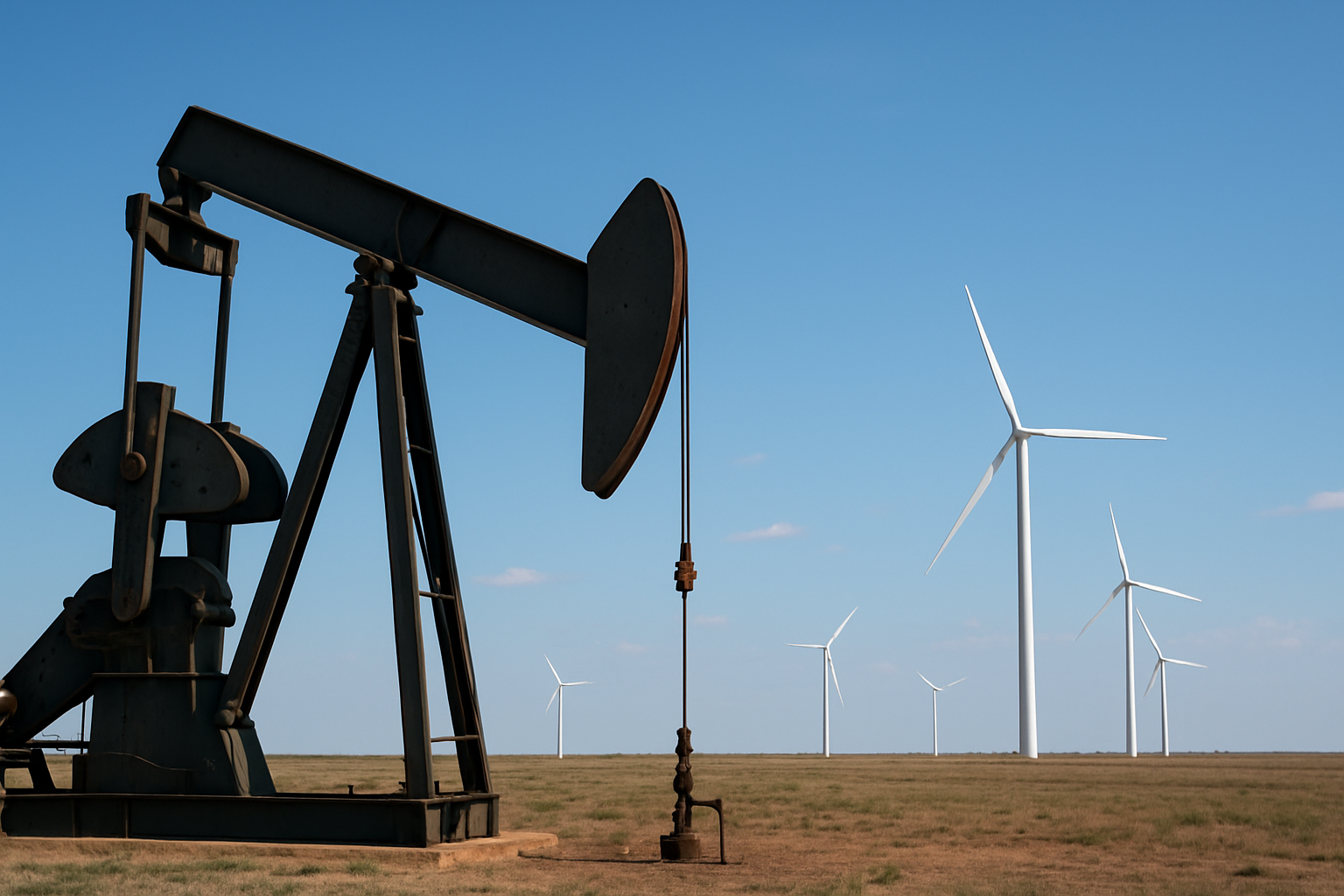
Energy transition is shrinking oil’s political leverage
Donald Trump has made the expansion of the oil sector a prominent element of his political platform, arguing it supports jobs and national energy security. That approach seeks to reconnect with voters in regions tied to fossil-fuel production and to reassure consumers about energy costs.
But structural forces beyond campaign rhetoric complicate the picture. Global investors, technology improvements in renewables and the rise of electric vehicles are reshaping demand expectations, altering where capital flows and how companies plan futures.
Regulatory trends and legal challenges also limit how quickly policy can revive or expand oil output. Permitting processes, state-level rules and international commitments influence the pace of new projects, while market signals govern private investment decisions.
The political calculus is thus mixed. Promises to boost oil production may deliver tangible benefits in particular communities, yet may have limited appeal in suburban and urban electorates increasingly focused on climate, public health and economic diversification.
For industry participants, short-term boosts from policy shifts can be offset by longer-term demand uncertainty. Energy firms face pressure to balance near-term production with investments in low-carbon technologies and resilience against volatile commodity markets.
Ultimately, the effectiveness of a pro-oil political strategy will depend on whether voters prioritise immediate economic concerns over structural trends that favour decarbonisation. The interplay between markets, policy and public opinion will determine whether such a strategy yields electoral or economic advantages.
FAQs
What does it mean to “bet on oil” in political terms?
The phrase refers to prioritising policies and messaging that seek to expand fossil-fuel production and protect related jobs as a central political promise.
How are market trends affecting oil’s future?
Technology improvements in renewables, changing consumer behaviour and investor preferences are influencing long-term demand expectations, though short-term price volatility remains.
Can government policy revive domestic oil output quickly?
Policy can alter incentives and permitting, but legal, environmental and economic constraints typically limit how fast large-scale production changes occur.
Does support for oil guarantee votes in production regions?
Support may resonate in some communities, but broader voter priorities—such as jobs, health and climate—produce more complex electoral outcomes.
How do investors view heavy fossil-fuel commitments?
Many investors weigh near-term returns against long-term transition risks, prompting some to demand clearer plans for managing carbon and diversifying assets.
What are the implications for climate policy?
A strong focus on expanding oil complicates national efforts to reduce emissions, requiring trade-offs between near-term economic objectives and long-term decarbonisation goals.