News at Glance
- Romania is lagging EU peers in the pace of renewable deployment, putting pressure on decarbonisation targets.
- A very large solar project has been proposed as a potential catalyst for faster solar build-out in the country.
- Grid limits, permitting delays and financing gaps are cited as the main obstacles to scaling renewables quickly.
EU’s largest planned solar park could reshape power supply but faces practical limits
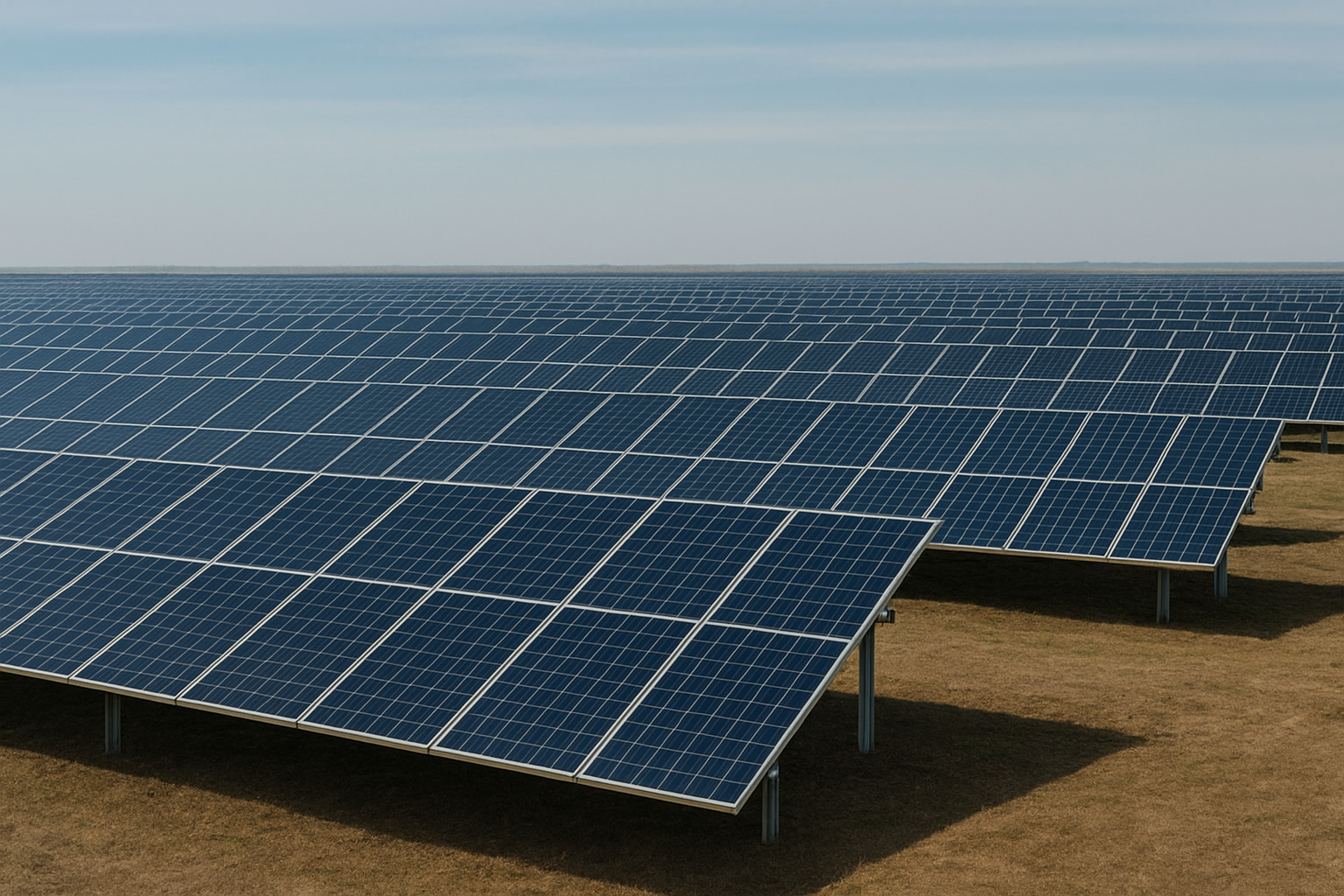
Romania’s energy transition has struggled to accelerate even as governments across Europe expand solar capacity. Industry observers say a single, very large solar installation could add meaningful generation and attract investor attention to the market.
Supporters argue the project would demonstrate private sector appetite and reduce reliance on fossil fuels. A major deployment could also create economies of scale that lower costs for subsequent developments nationwide.
Yet analysts and utilities warn that adding capacity alone will not resolve deeper issues. Transmission bottlenecks in parts of Romania constrain the ability to evacuate new generation to demand centres, and grid upgrades require coordinated planning and capital.
Permitting and administrative hurdles remain salient. Developers face lengthy approvals and local objections that can delay projects for years, reducing investor confidence and the speed of deployment.
Financing is another barrier. While large projects can attract institutional capital, smaller developers that have driven much solar growth elsewhere may struggle without clearer policy signals and supportive financing mechanisms.
Policy clarity and targeted grid investments will be critical to turning a landmark solar park into broader market momentum. Complementary measures such as storage, demand response and streamlined permitting would improve the project’s chances of delivering wider benefits.
FAQs
What is the main barrier to faster renewable growth in Romania?
Grid capacity constraints, permitting delays and challenges in securing financing are commonly cited as primary barriers.
Can a single large solar farm solve Romania’s clean energy shortfall?
It can provide a significant boost and attract investment, but systemic issues like grid and policy gaps must be addressed for lasting change.
How important is grid investment for solar expansion?
Very important: without upgrades to transmission and distribution networks, new solar capacity may be stranded or curtailed.
Will large projects attract more investors to Romania?
Possibly; successful, high‑profile projects can signal market potential, lowering perceived risks for other investors.
Are permitting reforms necessary?
Yes. Streamlined and transparent permitting processes can shorten development timelines and improve investor confidence.
What complementary measures improve solar’s impact?
Energy storage, demand flexibility, targeted grid upgrades and clear long‑term policy frameworks help integrate more solar reliably.