News at Glance
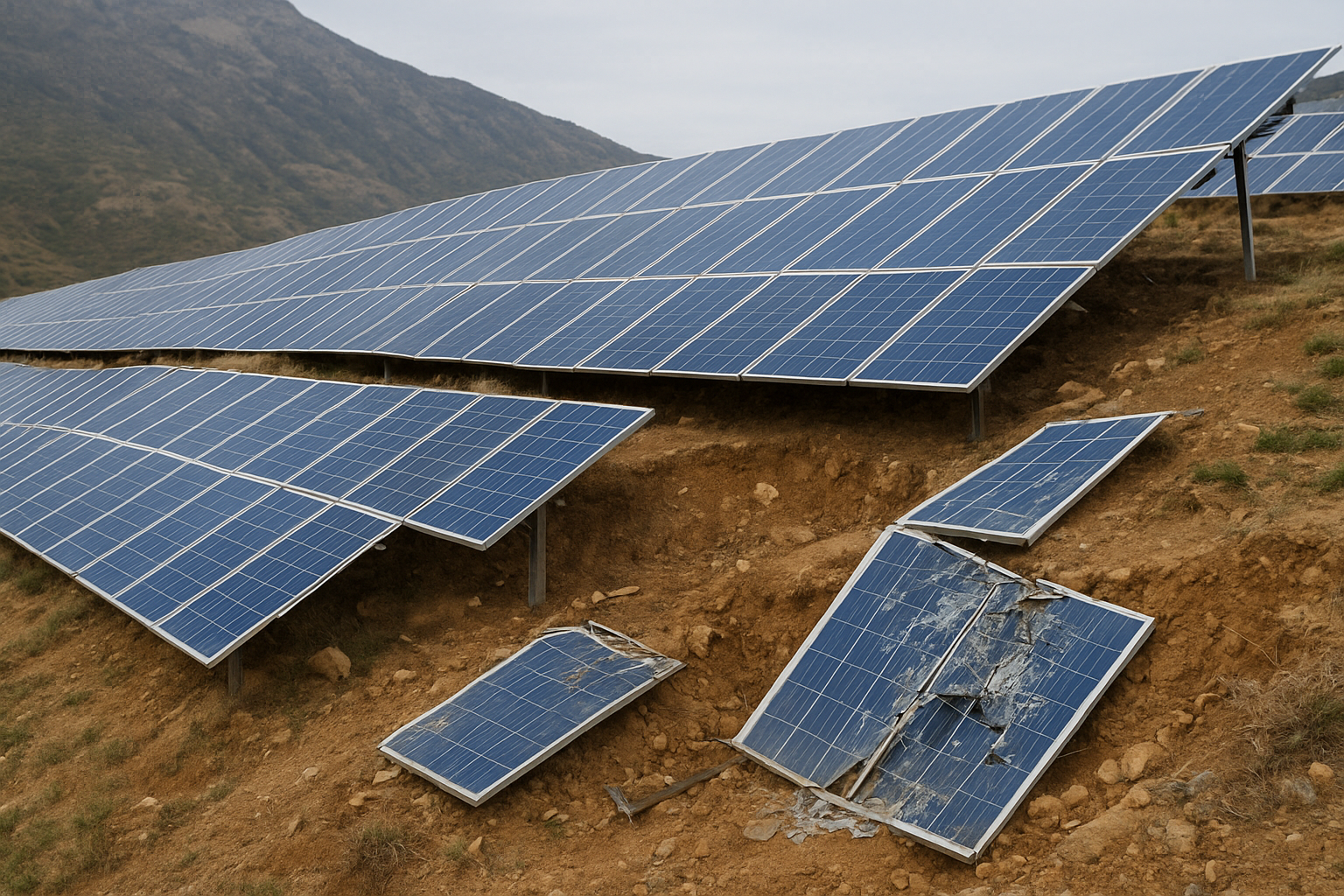
- 60% of mountainous solar plants failed safety inspections and are classified as needing repair.
- Primary issues reported include structural mounting problems, electrical safety defects and site erosion risks.
- Operators are being urged to prioritise repairs, monitoring and enhanced maintenance to avoid generation losses and safety incidents.
60% of Mountain Solar Plants Flagged for Repairs After Safety Inspections
Inspections of solar installations in mountainous areas have identified that a majority require corrective work to meet safety standards. The findings highlight vulnerabilities that are more pronounced in steep, unstable terrain than on flat sites.
Common deficiencies cited by inspectors include loose or misaligned mounting systems, compromised cabling and junction boxes, and inadequate erosion control around foundations. Such defects can increase fire risk, create electrical hazards and reduce panel performance.
Mountainous sites face specific environmental stresses: rapid runoff, soil slippage, concentrated snow loads and difficult access for maintenance crews. These conditions accelerate wear on mounting infrastructure and can expose buried or surface cabling to damage.
Failure to address identified issues can lead to reduced energy yield, higher downtime and potential liabilities for operators and owners. Insurers and lenders increasingly factor asset condition into underwriting and financing decisions for utility-scale PV projects.
Industry responses typically include structural reinforcement, improved drainage and erosion mitigation, rewiring and weatherproofing of electrical components, and installation of remote monitoring systems. Prioritising corrective actions can preserve output and limit long-term repair costs.
Longer term, site selection criteria and design standards for mountainous solar projects may be revised to incorporate more stringent geotechnical assessments and maintenance plans. Enhanced regulatory oversight and clearer operation-and-maintenance requirements would help reduce future risks.
FAQs
Why do mountainous solar plants fail safety checks more often?
Steep slopes, unstable soils, harsher weather and limited maintenance access increase mechanical and electrical stresses compared with flat terrain, raising the likelihood of defects.
What are the most common defects found?
Inspectors frequently report mounting instability, damaged or exposed cabling, failing connectors, and insufficient erosion and drainage control around foundations.
How do these defects affect power generation?
Structural and electrical issues can reduce panel alignment and connectivity, causing lower yield, increased downtime and higher operations costs.
What immediate actions should operators take?
Operators should prioritise safety-critical repairs, deploy temporary mitigation where needed, and schedule comprehensive remediation with geotechnical and electrical specialists.
Can monitoring reduce future failures?
Yes. Remote sensors, regular inspections and predictive maintenance programs help detect deterioration early and guide targeted interventions.
Will this change project development practices?
Developers may adopt stricter site assessment, reinforced design standards and enhanced maintenance obligations to lower risk in mountainous projects.