
News at Glance
- Fishing and indigenous communities say wind and solar developments threaten marine resources, ancestral lands and traditional livelihoods.
- Alleged lack of adequate consultation has prompted calls for stronger adherence to free, prior and informed consent standards.
- Environmental and livelihood risks cited include habitat disruption, reduced fish catch and displacement of customary land use.
Communities raise concern over consultation and consent procedures
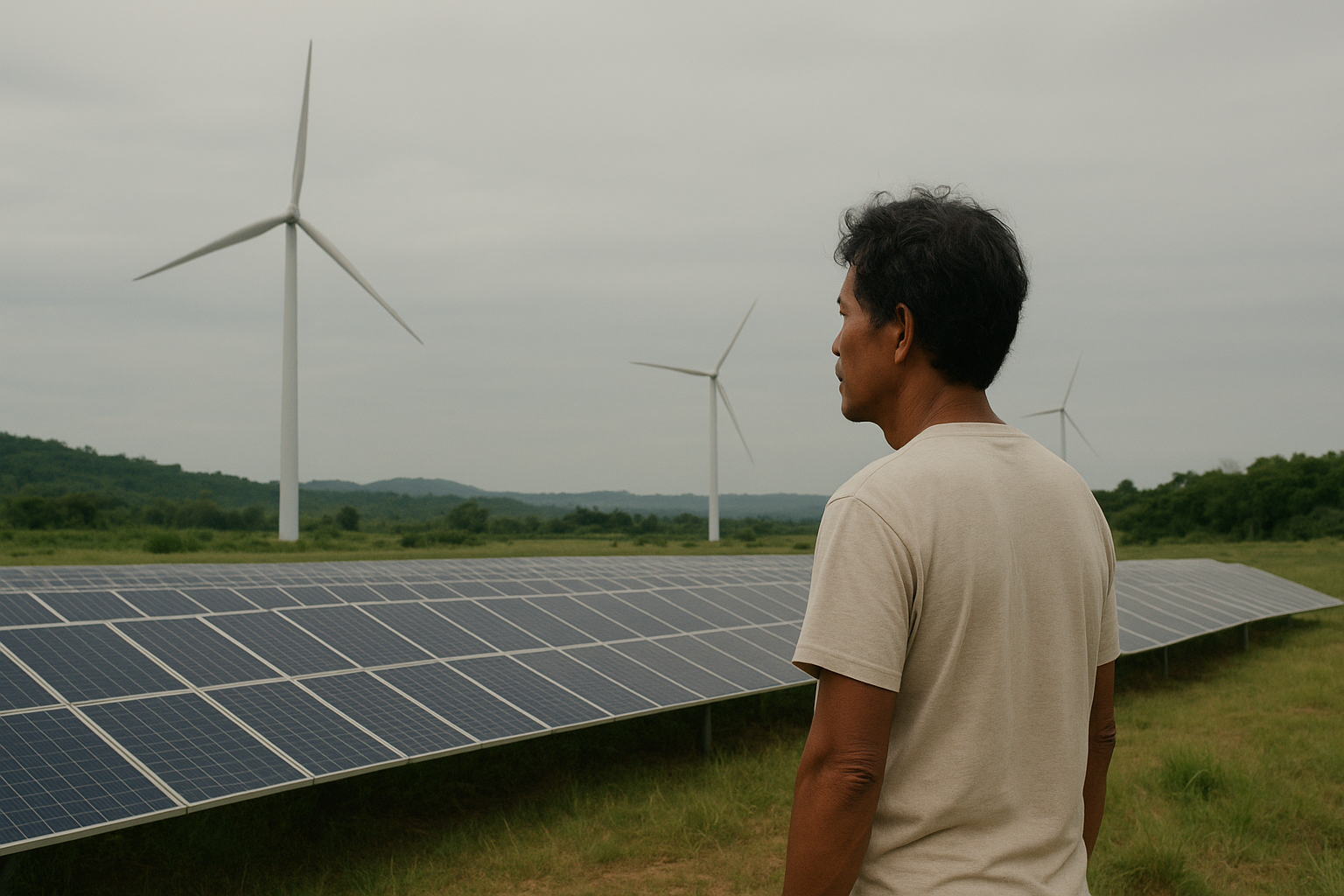
Fishing and indigenous groups in parts of the Philippines have voiced opposition to renewable energy projects, saying planned or operational wind and solar farms are harming local ecosystems and undermining long-standing livelihoods.
Community members describe impacts on coastal and inland fisheries, grazing areas and sites of cultural importance, and say those effects have not been adequately assessed or mitigated in engagement with developers.
Critics contend that consultation processes fall short of international standards for free, prior and informed consent, leaving affected people without clear avenues to approve, negotiate changes to, or reject projects on ancestral or community lands.
Developers and government agencies face calls to improve environmental and social impact assessments, increase transparency on siting decisions, and ensure that mitigation measures are co-developed with communities before projects proceed.
Energy planners argue renewable deployment is critical to climate and energy goals, but advocates stress that meeting those objectives requires balancing clean energy expansion with protection of biodiversity and customary rights.
Observers note opportunities for best practice approaches, including stronger participatory mapping, independent monitoring of ecological impacts and binding mechanisms for benefit-sharing where projects affect local resources.
FAQs
What are the main concerns raised by communities?
Communities point to threats to fisheries, ancestral lands, cultural sites and livelihoods, and to insufficient consultation and consent before projects proceed.
What does free, prior and informed consent mean?
It refers to communities’ right to be informed about projects affecting them, to participate in decision-making and to withhold consent without coercion.
Can renewable projects proceed without community agreement?
Legal and procedural requirements vary, but stakeholders argue projects that lack meaningful consent risk social conflict and legal challenges.
How can impacts on fisheries be reduced?
Measures include robust environmental assessments, spatial planning to avoid sensitive areas and community-led monitoring of fish stocks and habitats.
What role should government play?
Authorities can strengthen permitting standards, enforce consultation rules and require developers to demonstrate mitigation and benefit-sharing plans.
Are there examples of better practice?
Best practice typically involves early, transparent engagement, independent assessment, and formal agreements that include safeguards and compensation where appropriate.