News at Glance
- *Indonesia has set a 30 GW solar target for 2026, Enerdata reported.
- *The country is pursuing a long-term ambition of 100 GW of solar capacity overall.
- *The plan raises questions about investment, grid integration and deployment pathways.
30 GW 2026 Target Aims Rapid Capacity Build-Out
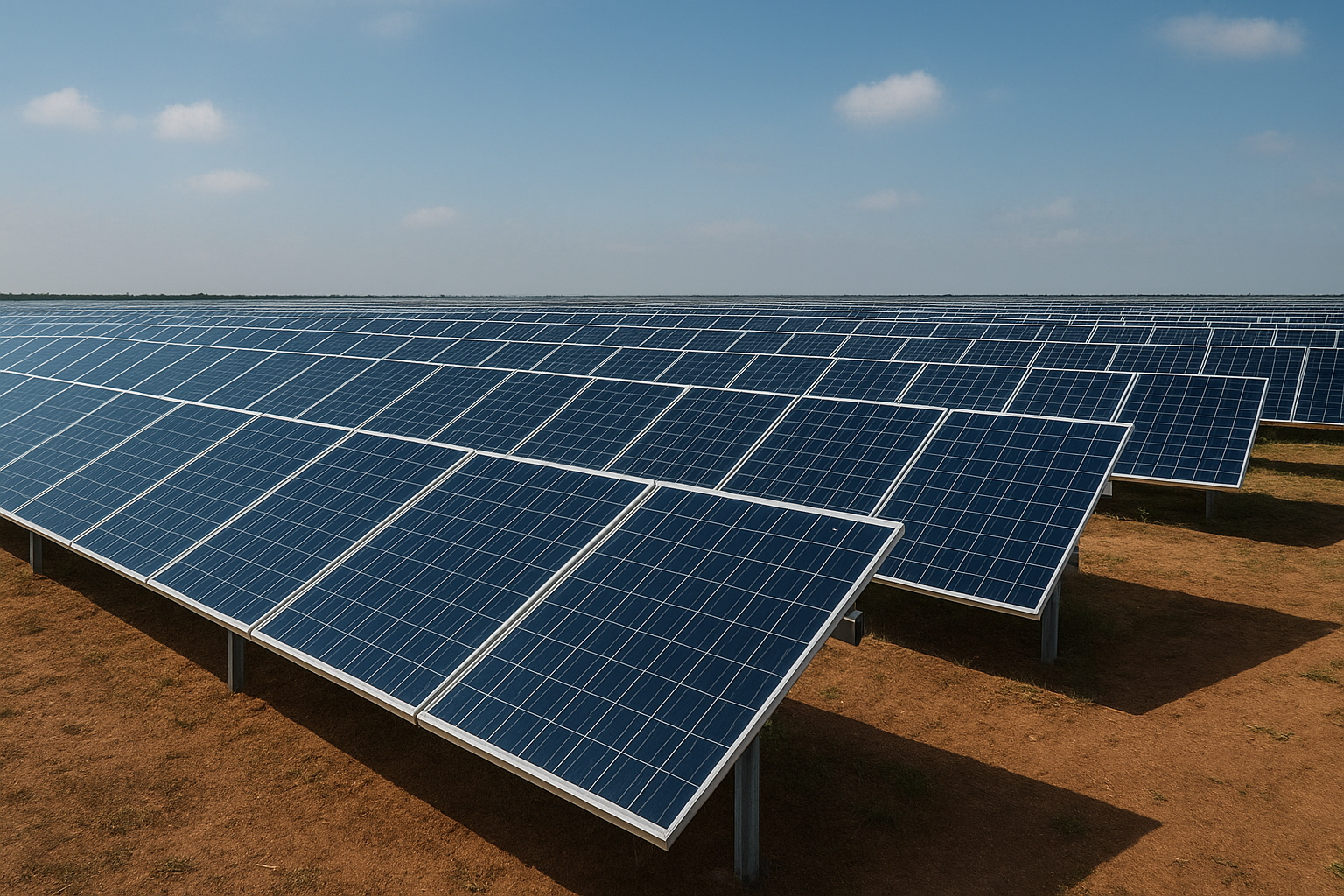
Indonesia is planning a significant short-term expansion of solar power, with Enerdata reporting a 30 gigawatt target for 2026 and an overall ambition of 100 gigawatts of solar capacity.
The announcement signals a move to accelerate renewable deployment and attract capital to the solar sector. Officials and market participants will need to clarify timelines, procurement methods and the role of private investment.
Delivering tens of gigawatts within a few years will require expanded permitting, grid upgrades and project financing. Observers say clear auction frameworks, streamlined approvals and transmission planning are typically central to such build-outs.
Distributed solar, including rooftop systems, and utility-scale photovoltaic projects are likely to be part of the expansion mix. Each pathway has distinct grid and regulatory considerations that policymakers must address.
Financing remains a core challenge: large-scale deployment often depends on a combination of domestic capital, foreign investment and bankable offtake arrangements. International lenders and developers frequently seek predictable policy signals and contractual certainty.
Ultimately, reaching the 100 GW ambition will hinge on sustained policy support and technical capacity across permitting, interconnection and operations. The broader energy transition implications will depend on how these plans are translated into concrete programmes and timelines.
FAQs
What exactly did Enerdata report?
Enerdata reported that Indonesia plans to reach 30 GW of solar capacity by 2026 and is targeting 100 GW overall.
Is there a timeline for the 100 GW target?
The report notes an overall 100 GW ambition but does not specify a detailed national timeline for achieving that full capacity.
What types of solar projects could contribute?
Both utility-scale photovoltaic projects and distributed rooftop systems can contribute, each with different regulatory and grid integration needs.
What are the main barriers to rapid scale-up?
Common barriers include grid capacity and interconnection, project permitting, financing availability and the need for transparent procurement mechanisms.
How can investors gain confidence?
Investors typically look for clear auction or PPA frameworks, stable policy signals, predictable permitting and credible grid upgrade plans.
Will this affect Indonesia’s energy mix?
Large-scale solar deployment could materially change the power generation mix over time, but the precise impact depends on policy implementation and the pace of project delivery.