US Sees Record Second-Quarter Clean Power Additions Of 17.1GW, ACP Says
-2.png&w=3840&q=75)
CleanTech Journal Desk
Published •Updated •7 min read
News at Glance
- 17.1GW added of clean power capacity in Q2, the American Clean Power Association reported.
- Record quarterly addition marks the largest single-quarter build for clean capacity, according to the ACP disclosure reported by PV Tech.
- Momentum for deployment raises near-term implications for grid planning, permitting and supply chains.
Surge in quarterly additions signals faster shift toward non-emitting generation
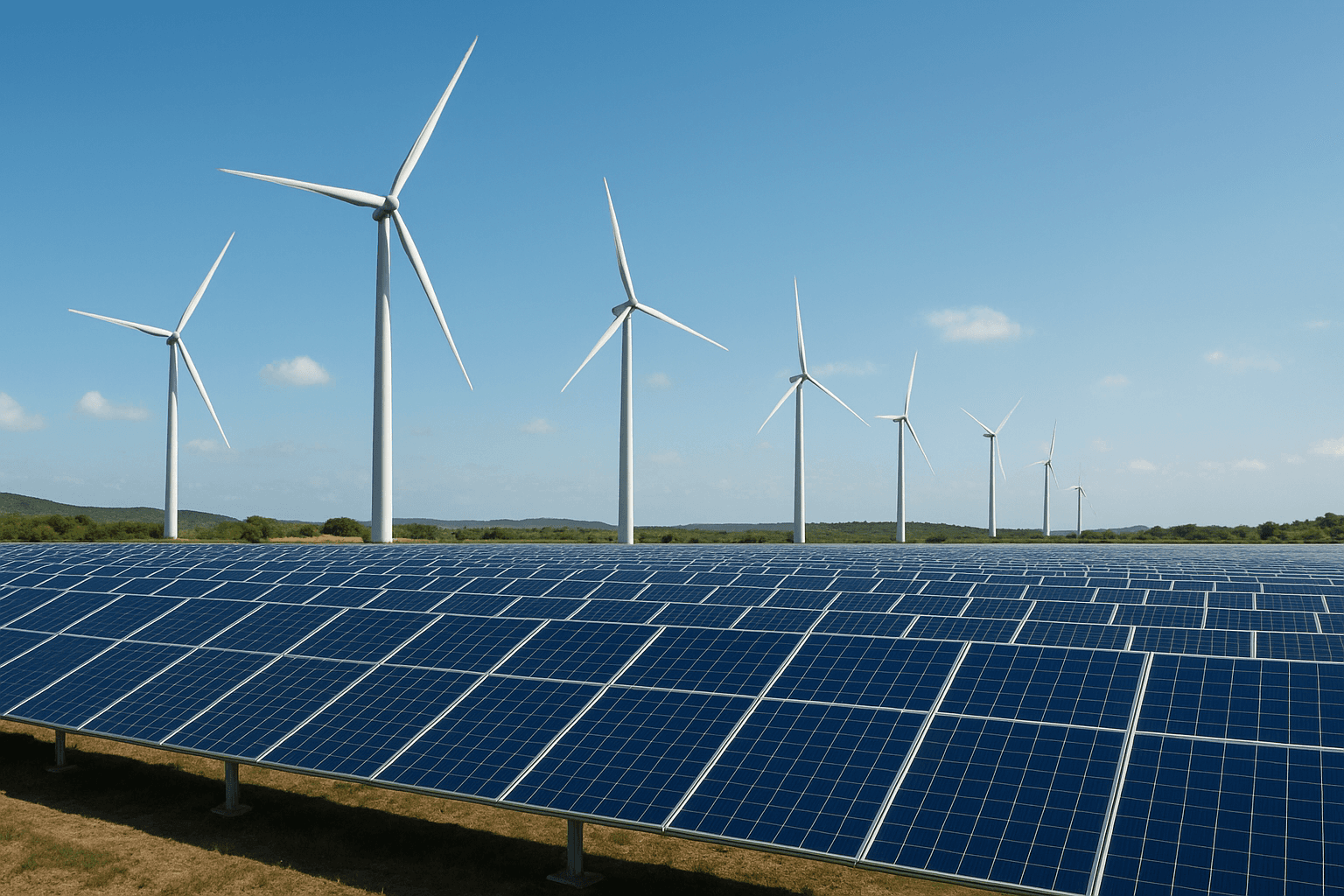
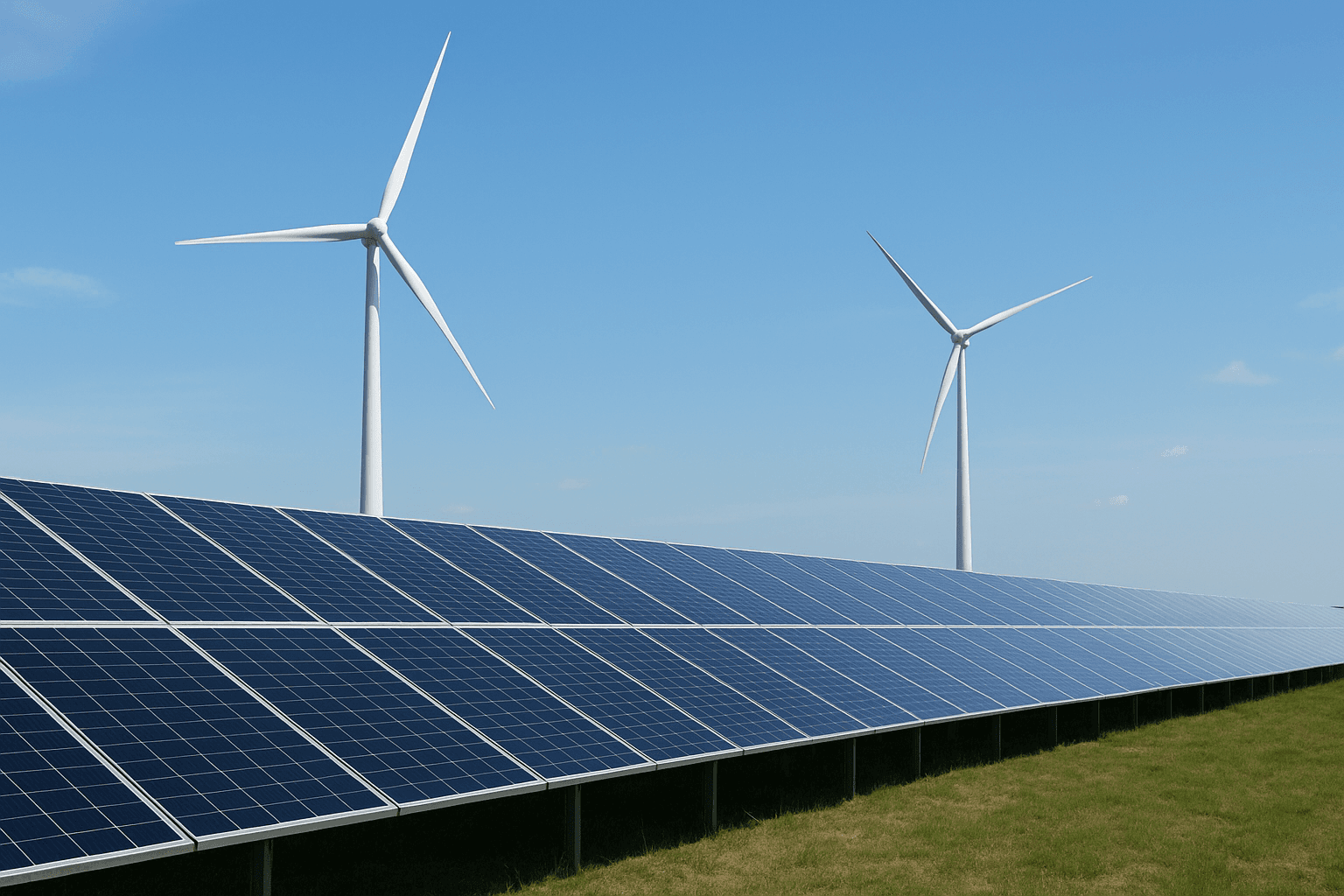
The American Clean Power Association (ACP) reported that the United States added 17.1GW of clean power capacity in the second quarter, a quarterly record, PV Tech said. The figure reflects an acceleration in new capacity entering the pipeline during the period covered by the ACP release.
Industry observers said the milestone underscores growing deployment activity among developers, utilities and investors focused on clean technologies. While the ACP number captures aggregate capacity additions, project-level timelines and interconnection schedules will determine when new generation changes power flows on regional grids.
The report highlights near-term operational and planning questions for system operators and regulators, including curtailment dynamics and transmission needs as more capacity is added. Integrating large volumes of incremental generation typically requires updated grid planning and faster permitting to unlock full value from new assets.
Supply-chain and financing considerations also play a role in how quickly announced capacity converts to commercial operation. Developers must synchronise construction, equipment delivery and grid connection to meet target commissioning dates for projects contributing to quarterly totals.
ACP releases such as this provide a snapshot of deployment momentum but do not by themselves predict long-term build rates. Policymakers, system planners and market participants will monitor subsequent data and project progress to assess whether the quarterly pace is sustained.
FAQs
What does “clean power capacity” mean?
Clean power capacity refers to installed electricity generation resources that produce little or no direct greenhouse gas emissions, typically including technologies such as wind, solar and battery storage.
Who is the American Clean Power Association (ACP)?
The American Clean Power Association is an industry group that tracks and reports deployment, policy and market trends for clean energy technologies in the United States.
How is capacity addition measured and reported?
Capacity additions are usually reported in gigawatts (GW) and represent the rated generation capacity of new projects that reached a defined stage, such as commercial operation or interconnection, during a reporting period.
Why do quarterly capacity additions matter to grid operators?
Large quarterly additions affect grid balancing, transmission needs and planning timelines; operators use the data to anticipate changes in generation mix and required grid upgrades.
Do capacity additions immediately reduce emissions?
New clean capacity increases low‑emission generation potential, but actual emissions reductions depend on dispatch patterns, retirement of fossil plants and grid integration over time.
What common challenges can delay projects counted in reports?
Typical delays stem from permitting, interconnection queues, equipment supply issues and financing arrangements, all of which can push back commissioning dates for projects contributing to reported totals.