News at Glance
- Centre is promoting domestic polysilicon production to reduce dependence on imports for solar-panel manufacturing.
- Policy support and industry interest are increasing, but domestic projects face high capital and energy intensity challenges.
- Building local capacity aims to bolster supply security and support India’s broader solar-manufacturing ambitions.
Government Seeks Domestic Polysilicon Capacity to Strengthen Solar Supply Chain
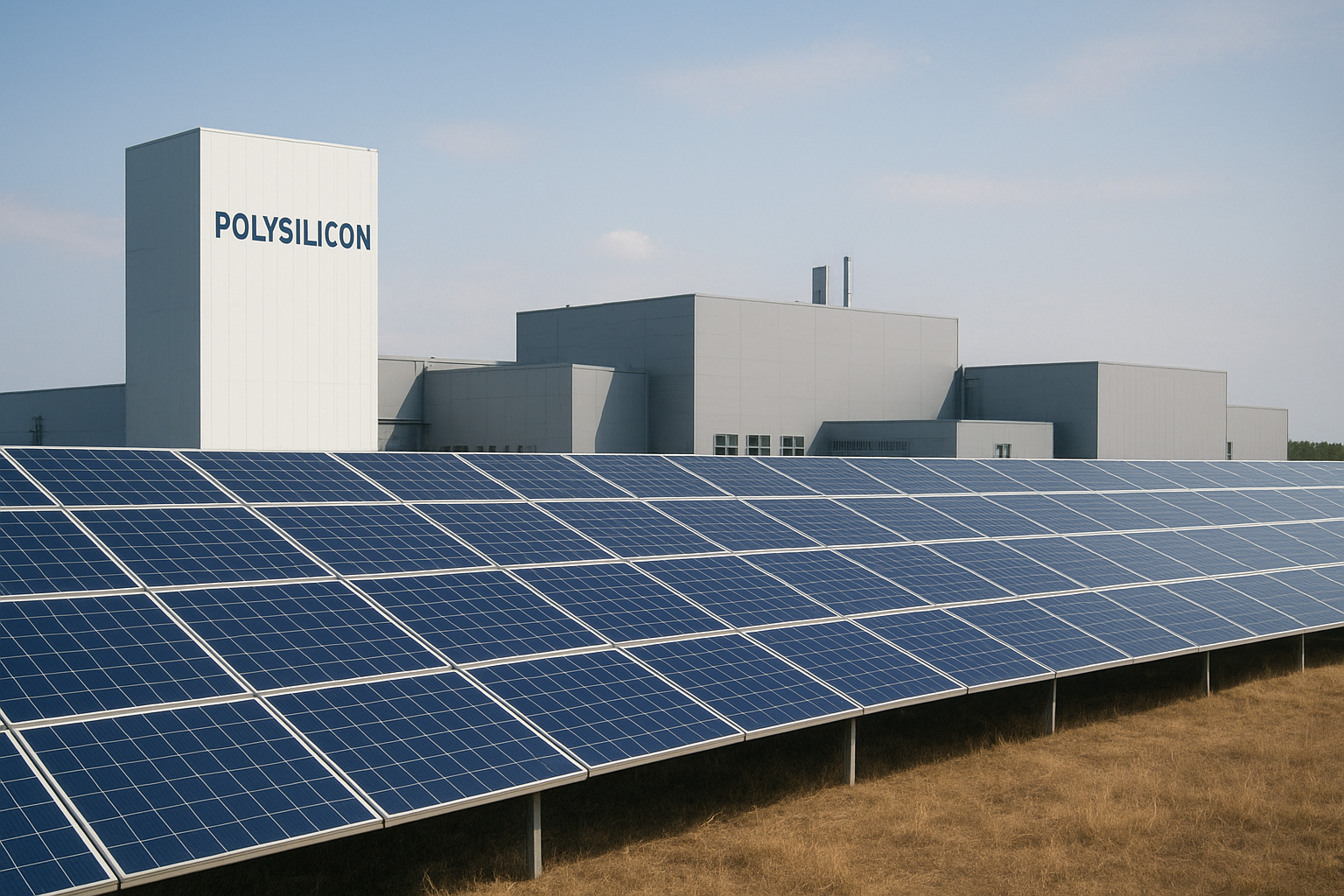
The Indian government is intensifying efforts to nurture domestic polysilicon production as part of a strategy to reduce reliance on imported inputs for solar panels, particularly from major overseas suppliers.
Polysilicon is a raw material for crystalline silicon solar cells and is capital- and energy-intensive to produce. Establishing local plants requires access to affordable power, specialized technology, and an investor-ready policy framework that addresses environmental and logistical considerations.
Industry participants have shown interest in evaluating greenfield and brownfield options, supply contracts and technology partnerships. For many manufacturers, economics hinge on scale, power tariffs, and upstream feedstock availability, as well as incentives that can offset initial costs.
Analysts say developing a domestic polysilicon industry could improve supply resilience, shorten lead times for modules and support jobs in manufacturing clusters. However, scaling production rapidly will depend on matching policies with viable commercial proposals and ensuring environmental compliance.
Observers note that a diversified supply chain can reduce exposure to geopolitical and trade disruptions, while also giving Indian module makers greater control over input quality and pricing. Progress will be measured by project approvals, financing arrangements and the pace of technology adoption.
FAQs
What is polysilicon and why is it important for solar panels?
Polysilicon is a high-purity form of silicon used to make crystalline silicon wafers, which are the basis for most commercial solar cells and modules. Its availability affects module costs and supply chains.
Why is India seeking to develop domestic polysilicon production?
India aims to reduce reliance on imported polysilicon, enhance supply security, shorten lead times for module manufacturing and support local industrial growth in the solar sector.
What are the main challenges to setting up polysilicon plants in India?
Key challenges include large capital expenditure, high electricity consumption, need for specialized technology, feedstock procurement and strict environmental and safety standards.
How could domestic polysilicon manufacturing affect solar module prices?
Local production can stabilize input supply and potentially reduce transport and tariff-related costs, but effects on module prices depend on scale, efficiency and the cost of power and raw materials.
What policy measures can support polysilicon manufacturing?
Effective support can include incentives for capital investment, reliable and affordable power supply, streamlined approvals, technology partnerships and measures to ensure environmental compliance.
Will domestic polysilicon production eliminate imports from other countries?
Domestic capacity can reduce import dependence but may not fully eliminate imports immediately. A phased increase in local production paired with diversified sourcing typically provides the greatest resilience.