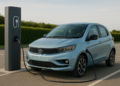
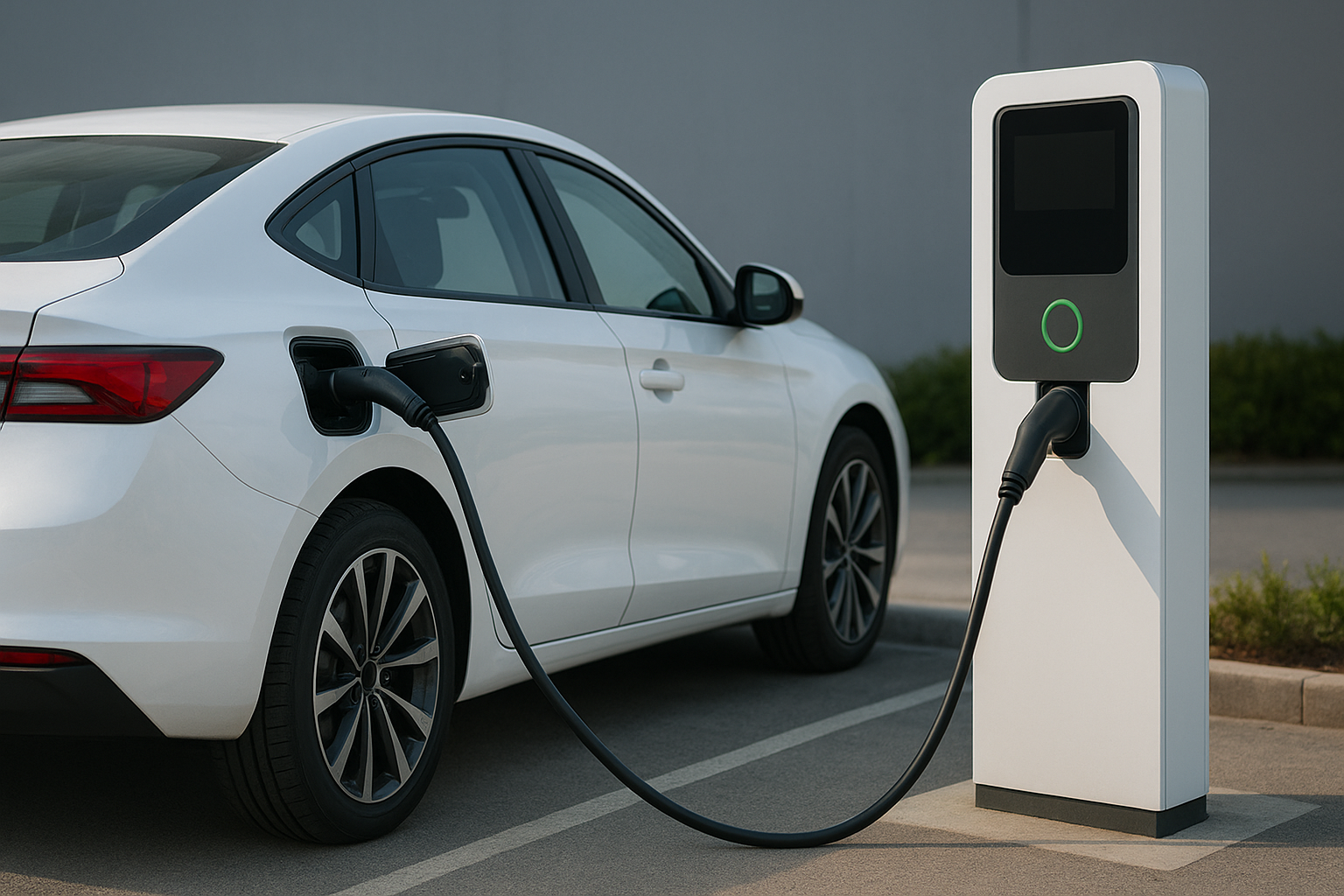
India recorded a sharp rise in electric vehicle (EV) adoption in fiscal year 2026, with penetration increasing more than elevenfold to 8.26%. A government-backed manufacturing push valued at ₹44,038 crore has been credited with accelerating production and market uptake.
Overview
The jump to 8.26% EV penetration represents a material shift in vehicle market composition, moving electric models from niche to meaningful market share. The manufacturing support package of ₹44,038 crore aims to expand domestic production capacity and supply chains for EVs and their components.
Industry commentators point to coordinated policies, incentives and investment flows as central to this growth phase. Manufacturers and suppliers are reported to be scaling operations to meet both domestic demand and potential export opportunities.
Why This News Matters
A higher EV share changes demand dynamics across the automotive ecosystem, affecting incumbents, new entrants and ancillary industries such as batteries and charging infrastructure. Increased domestic manufacturing can reduce import dependence and improve competitiveness for local producers.
For policymakers, the shift has environmental and economic implications: cleaner urban transport, reduced oil import exposure and potential job creation in manufacturing and services. The scale of the manufacturing push suggests a strategic priority for industrial policy tied to clean-technology adoption.
Industry Perspective
Automakers and suppliers face both opportunity and challenge as demand rises. Scaling production requires investment in factories, workforce training and supplier networks, while maintaining quality and cost competitiveness remains critical.
Battery makers, component manufacturers and charging network operators stand to gain from expanded EV volumes. However, supply-chain bottlenecks and raw-material price volatility can affect timelines for capacity additions and vehicle affordability.
Future Outlook
Continuing momentum will depend on several interconnected factors: policy consistency, capital availability, infrastructure rollout and consumer confidence. If manufacturing investments translate into greater model availability and lower prices, adoption could broaden across income segments and vehicle categories.
Export potential may emerge as producers achieve scale, though global competition in EV manufacturing and battery technology will shape outcomes. Monitoring the balance between incentives and market-driven demand will be important for long-term sustainability.
Key Highlights
- EV share reached 8.26% in FY26, marking over an elevenfold increase from earlier levels.
- ₹44,038 crore manufacturing initiative is targeted at expanding domestic production capacity for EVs and components.
- Supply-chain growth is expected to benefit battery makers, component suppliers and charging infrastructure providers.
- Policy and investment are central to sustaining momentum and translating capacity into consumer availability.
- Economic and environmental impacts include potential job creation, reduced oil imports and lower urban emissions.
Frequently Asked Questions
What does 8.26% EV penetration mean?
It indicates that 8.26% of relevant vehicles on the market were electric in fiscal year 2026, reflecting a significant increase in the share of EVs compared with previous years.
What is included in the ₹44,038 crore manufacturing push?
The figure refers to a government-supported package aimed at bolstering domestic manufacturing capacity for electric vehicles and their components, intended to stimulate production and supply-chain development.
How can manufacturing incentives affect EV prices?
By expanding local production and achieving economies of scale, incentives can help lower manufacturing costs over time, which may translate into more affordable vehicle prices for consumers.
Which parts of the EV ecosystem benefit most from increased manufacturing?
Batteries, power electronics, electric drivetrains, component suppliers and charging infrastructure firms are among the key beneficiaries from higher production volumes and investment.
Are there risks to rapid EV expansion?
Risks include supply-chain constraints, resource availability for batteries, uneven infrastructure rollout and the challenge of maintaining affordability. Policy shifts or market disruptions could also affect momentum.
What will determine whether this growth is sustained?
Long-term growth will hinge on consistent policy support, continued private investment, robust charging networks, and successful scaling of domestic manufacturing to reduce costs and broaden product availability.