News at Glance
- ESB has launched a consumer trial to explore what would prompt drivers to change EV charging habits, focusing on incentives and information.
- The pilot aims to test behavioural levers such as pricing signals, time-of-use incentives and convenience measures to shift charging out of peak hours.
- Outcomes could inform grid management and tariff design, helping integrate more EV demand without increasing peak network stress.
ESB Pilots Consumer Trial to Probe Charging Incentives
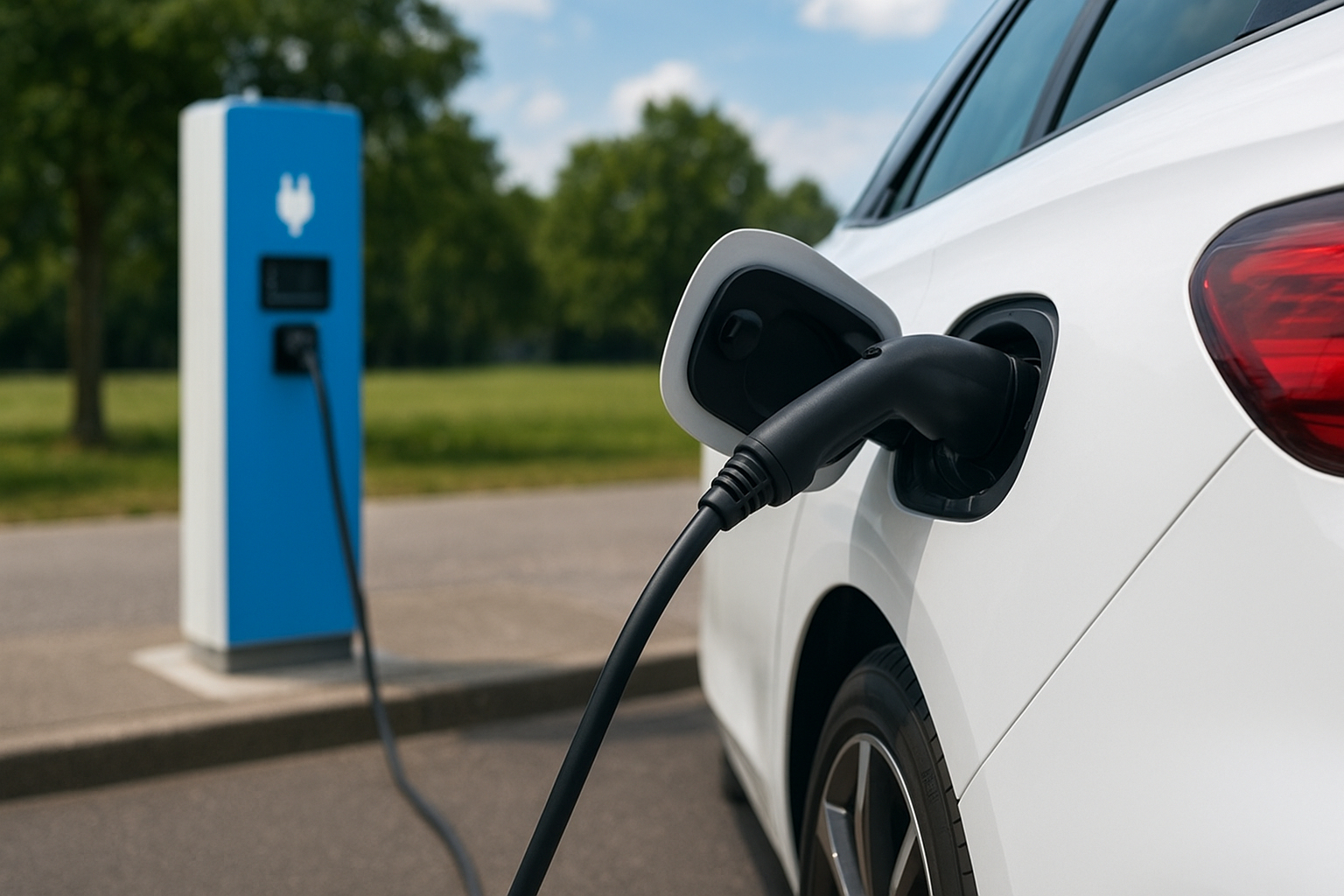
State-owned utility ESB is running a consumer-focused experiment to learn which measures would persuade electric vehicle owners to alter when they charge. The trial is testing a mix of commercial incentives, information nudges and convenience features to observe real-world responses.
Transport electrification is increasing electricity demand and shifting load patterns, and utilities globally are exploring ways to manage that growth without costly network upgrades. Behavioural trials like this provide evidence on whether price signals or non‑price interventions yield the most movement off peak periods.
Participants typically receive targeted offers or information and their charging behaviour is monitored to assess changes, while protecting personal data and anonymising results. Operators then analyse whether adjustments are sustained and how they affect peak load and network flexibility.
Findings from such pilots can influence tariff design, the rollout of smart-charging technologies and policy decisions on demand-side measures. They also feed into wider planning for renewable integration and distribution network investment priorities.
Industry observers say clear, predictable incentives and easy-to-use technology tend to deliver higher engagement, but outcomes vary by driver routines, vehicle capability and access to home charging. Utilities must balance consumer acceptance with operational needs when designing interventions.
FAQs
What is the main goal of the ESB trial?
The trial seeks to identify which incentives, pricing signals and information prompts most effectively shift EV charging away from peak periods to improve grid management.
What kinds of measures are typically tested?
Trials commonly test time-of-use tariffs, targeted discounts, automated smart‑charging schedules and behavioural nudges such as messaging or comparative feedback.
Will participants’ personal data be shared?
Trials generally anonymise charging data for analysis and follow data‑protection rules; exact safeguards depend on the project design and consent arrangements.
How can findings influence policy?
Results can inform tariff structures, regulation of smart chargers, and investment planning to accommodate growing EV demand while limiting peak network stress.
Do non-price measures work as well as discounts?
Evidence suggests non-price measures like automation and convenience can be effective, especially when combined with clear economic incentives, but effectiveness varies by context.
Will this reduce the need for network upgrades?
Behavioural changes can lower peak demand and delay some upgrades, but long-term infrastructure planning still depends on overall EV uptake and distribution capacity forecasts.