
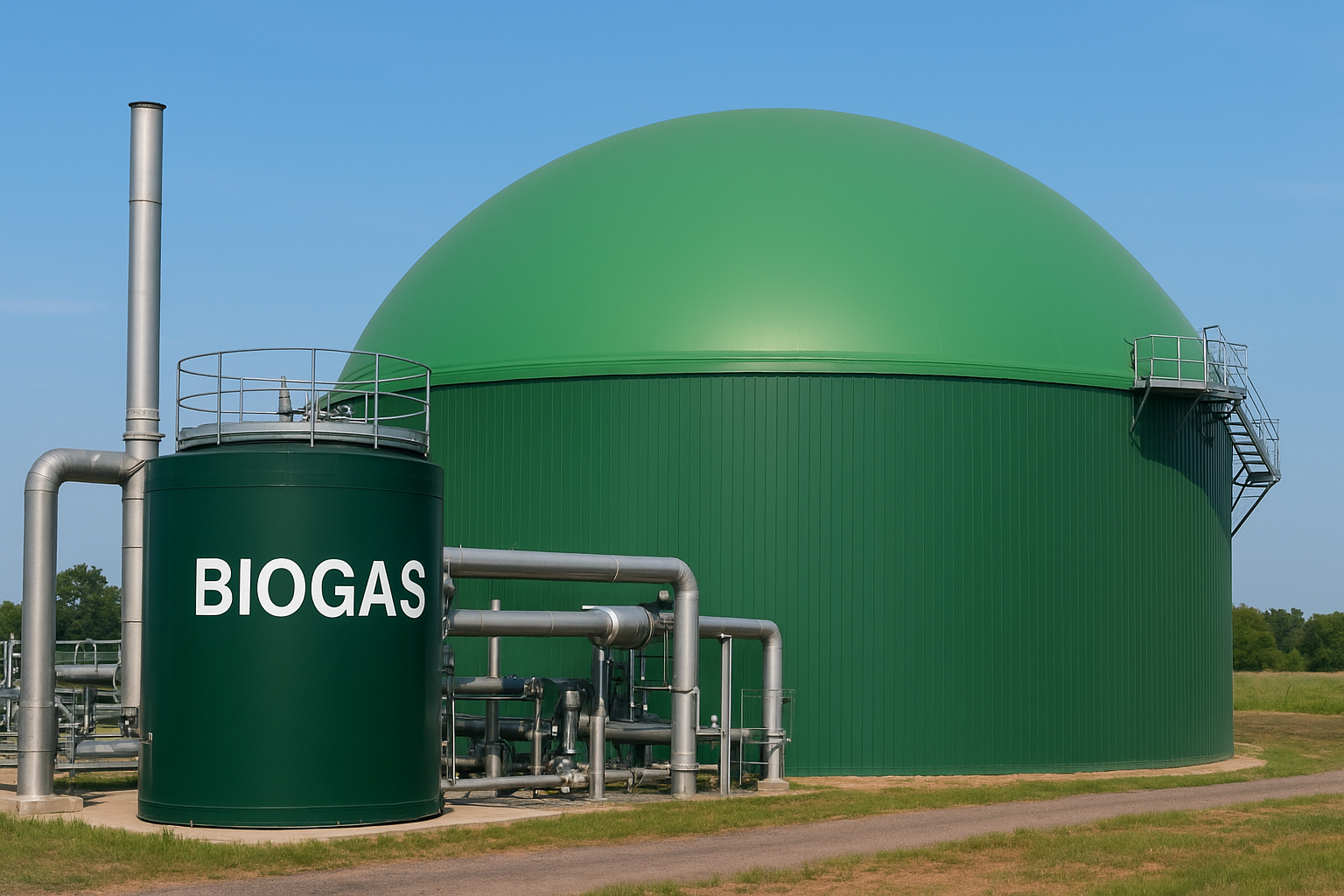
India’s federal Cabinet has approved a national unified scheme titled GOBARdhan to promote compressed biogas (CBG), with an announced financial outlay of Rs 23,731 crore. The move aims to expand domestic production of renewable gas from organic and agricultural waste streams.
Overview
The Cabinet decision establishes GOBARdhan as a central programme intended to create an integrated value chain for CBG across the country. The scheme focuses on converting agricultural residues, cattle dung and other organic waste into a transportable, renewable fuel.
Details of project selection, implementation modalities and timelines are expected to be provided by the government through official notifications and implementing agencies. The announcement appeared on the Prime Minister’s Office portal.
Why This News Matters
Compressed biogas is a low-carbon alternative to fossil fuels and can contribute to energy security by creating locally sourced fuel supply. Expanding CBG production also addresses organic waste management challenges in rural and peri-urban areas.
Beyond energy, the scheme has implications for methane emissions reduction, value addition for farmers, and the development of small-scale bioeconomy enterprises, aligning with broader national sustainability objectives.
Industry Perspective
Stakeholders across agriculture, waste management and the fuel sector view a dedicated national programme as a signal for predictable policy support. Developers and technology providers may see new opportunities in plant construction, feedstock logistics and biogas upgrading equipment.
Investment and operational models will need to balance feedstock availability, offtake arrangements for CBG, and viability at distributed scales. Market actors will be watching government guidelines on subsidies, incentives and tendering closely.
Future Outlook
Effective roll-out of the GOBARdhan scheme will depend on coordinated mapping of organic waste resources, local capacity building and streamlined approvals for plants. Deployment at scale could take several years and will require sustained public and private participation.
Integration of CBG into existing fuel distribution and potential end-uses in transport, industry and gas grids will influence long-term commercial viability. Monitoring, measurement and transparent reporting will be important to demonstrate environmental benefits.
Key Highlights
- Cabinet approval: The federal Cabinet has authorised a national unified GOBARdhan scheme focused on CBG.
- Financial outlay: The government announced an outlay of Rs 23,731 crore for the scheme.
- Objective: The programme targets conversion of organic and agricultural waste into compressed biogas to promote clean fuel.
- Rural and environmental aims: The scheme is expected to support waste management and provide new income streams for rural stakeholders.
- Next steps: Implementation modalities and operational details will be issued by government agencies responsible for scheme execution.
Frequently Asked Questions
What is the GOBARdhan scheme announced by the Cabinet?
The Cabinet-approved GOBARdhan is a national unified scheme intended to promote the production and use of compressed biogas (CBG) from organic and agricultural waste. It includes a government outlay of Rs 23,731 crore to support deployment.
What is compressed biogas (CBG)?
Compressed biogas is methane-rich gas derived from the anaerobic digestion of organic waste. After purification and compression, it can be used as a renewable transport fuel or for other energy needs, offering a lower-carbon alternative to fossil fuels.
How will the scheme support farmers and rural communities?
The programme is designed to create value from organic waste streams, potentially providing additional income for farmers and generating local jobs in feedstock collection, plant operation and related services. Specific benefit mechanisms will be detailed in implementation documents.
Who will implement the scheme and how can stakeholders access details?
Implementation will be carried out by designated government agencies; stakeholders should consult official releases and tender documents issued on government portals for authoritative information on roles, processes and eligibility criteria.
Will the scheme reduce greenhouse gas emissions?
By converting organic waste into useful energy and displacing fossil fuels, CBG projects can reduce methane and CO2 emissions. The extent of emissions savings will depend on project scale, feedstock management and technology applied.
When will projects under GOBARdhan start becoming operational?
The announcement confirms Cabinet approval and funding allocation, but specific timelines for project awards and plant commissioning will be set out by implementing authorities in subsequent notifications.