
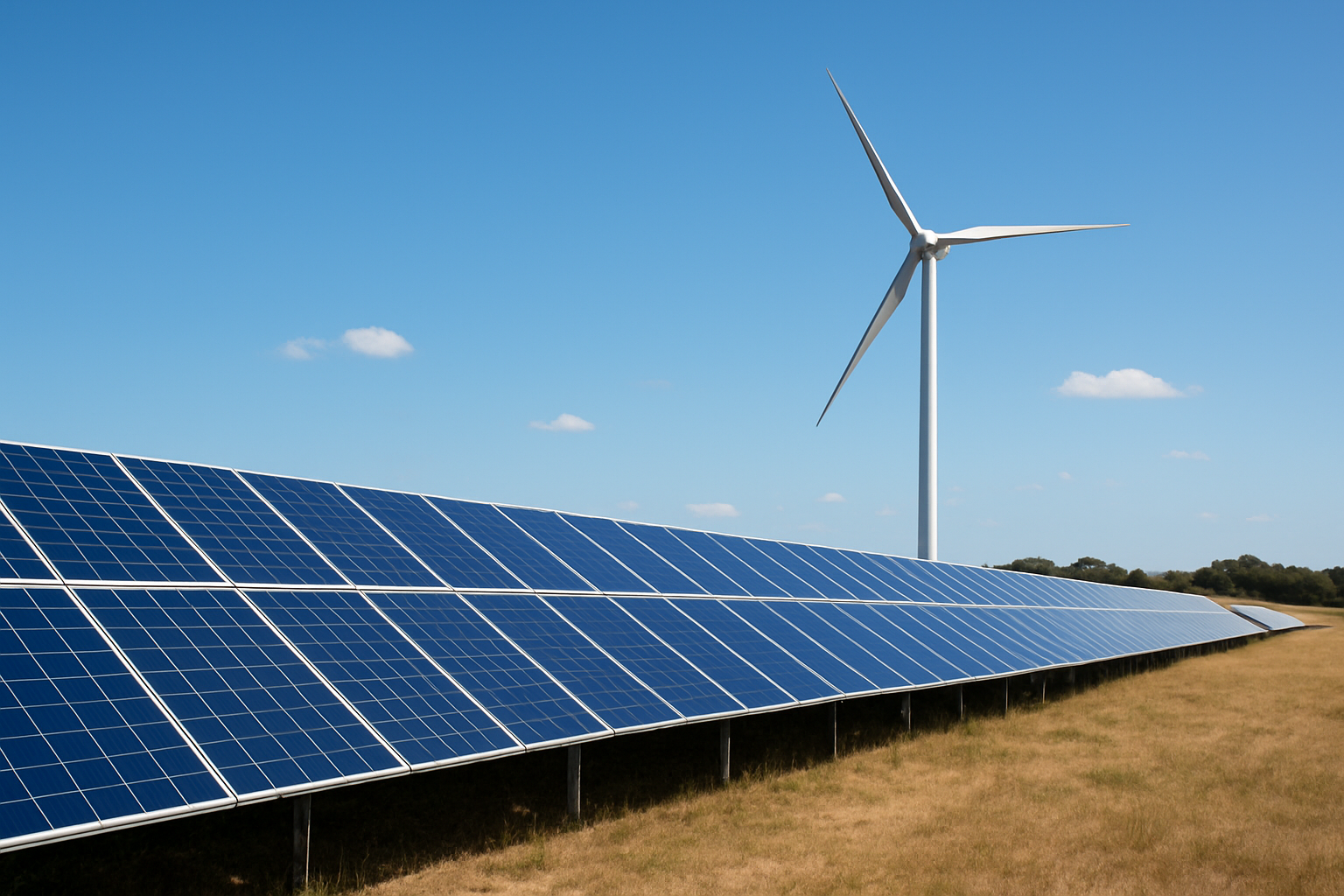
A senior government minister has announced that new data centre developments in Australia will be required to source the majority of their power from renewable energy. The move signals a tighter alignment between national climate goals and the booming demand for digital infrastructure.
Overview
The minister said the government will set expectations that new data centre projects must be predominantly powered by renewable electricity. The change is intended to ensure that growth in the sector does not undermine broader emissions reduction objectives.
Details on the implementation mechanism, timelines and enforcement measures were not provided in the initial announcement. Observers expect follow-up guidance from regulatory bodies and energy planners in the coming weeks and months.
Why This News Matters
Data centres are among the fastest-growing electricity consumers in many advanced economies as cloud services, artificial intelligence and digital storage expand. Policy that steers new capacity toward renewables can shape investment choices and influence grid planning.
Requiring a high share of renewable supply for new facilities could accelerate corporate power purchase agreements, investment in on-site generation and energy-storage solutions. It may also affect where operators choose to locate new builds.
Industry Perspective
Operators and cloud providers will need to assess procurement strategies to meet the renewable expectations. Some firms already contract directly for renewable generation or pair builds with battery and storage investments; others rely more on grid-sourced electricity.
Energy retailers, developers and system planners will face increased demand for firm renewable capacity and for mechanisms that match supply to the variable needs of data centres. The business case for new transmission, microgrids and long-duration storage could strengthen.
Future Outlook
If enacted, the policy could lead to a wave of renewable energy contracting and infrastructure investments tied to the data centre sector. It may also encourage developers to integrate efficiency and demand-response capabilities to reduce load during stressed periods.
Regulatory clarity on what qualifies as renewable supply, how to account for offsets or green certificates, and how to measure compliance will be critical. The pace of grid upgrades and connection approvals will influence how quickly new projects can meet the stated expectations.
Key Highlights
- Policy signal: The government has announced that new data centres should be majority powered by renewables.
- Implementation details pending: Specific rules, timelines and compliance mechanisms have not yet been released.
- Market impact: The requirement could boost corporate renewable procurement and investment in storage and grid services.
- Location and planning: Developers may prioritise regions with strong renewable resources and available grid capacity.
- Sector alignment: The measure aims to align digital infrastructure growth with national emissions reduction objectives.
Frequently Asked Questions
What exactly did the minister announce?
The minister stated that new data centres in Australia are expected to be powered predominantly by renewable energy. The announcement set a policy direction but did not include detailed regulations or timelines.
Will existing data centres be affected?
The announcement specifically targeted new developments. Existing facilities were not identified for immediate change, though future policy steps could address retrofit or transition expectations for older sites.
How might data centre operators comply?
Operators can comply by procuring renewable energy through power purchase agreements, building on-site generation like solar or wind, adding battery storage, or using a combination of these approaches to increase the share of renewables in their power mix.
Could this raise costs for data centre projects?
Transitioning to higher shares of renewables can affect project economics, particularly where additional infrastructure or firming solutions are required. However, long-term contracts and declining costs for renewables and storage can mitigate upfront costs.
How will this affect electricity grids?
Greater renewable procurement by large consumers could drive investment in transmission, distributed energy resources and storage to maintain reliability. It may also prompt changes to grid connection and planning processes.
When will detailed rules be provided?
The announcement did not specify a timeline for regulations or guidance. Stakeholders should expect further communications from relevant government departments and energy regulators as the policy is developed and implemented.