News at Glance
- China’s solar capacity has overtaken coal to become the country’s largest installed power source, Reuters reported.
- Rapid additions and falling costs have driven the surge in solar deployment across Chinese provinces.
- Grid and market challenges remain, including integration, curtailment and the need for flexible resources.
Solar-led buildout intensifies pressure on coal-fired generation and grid systems
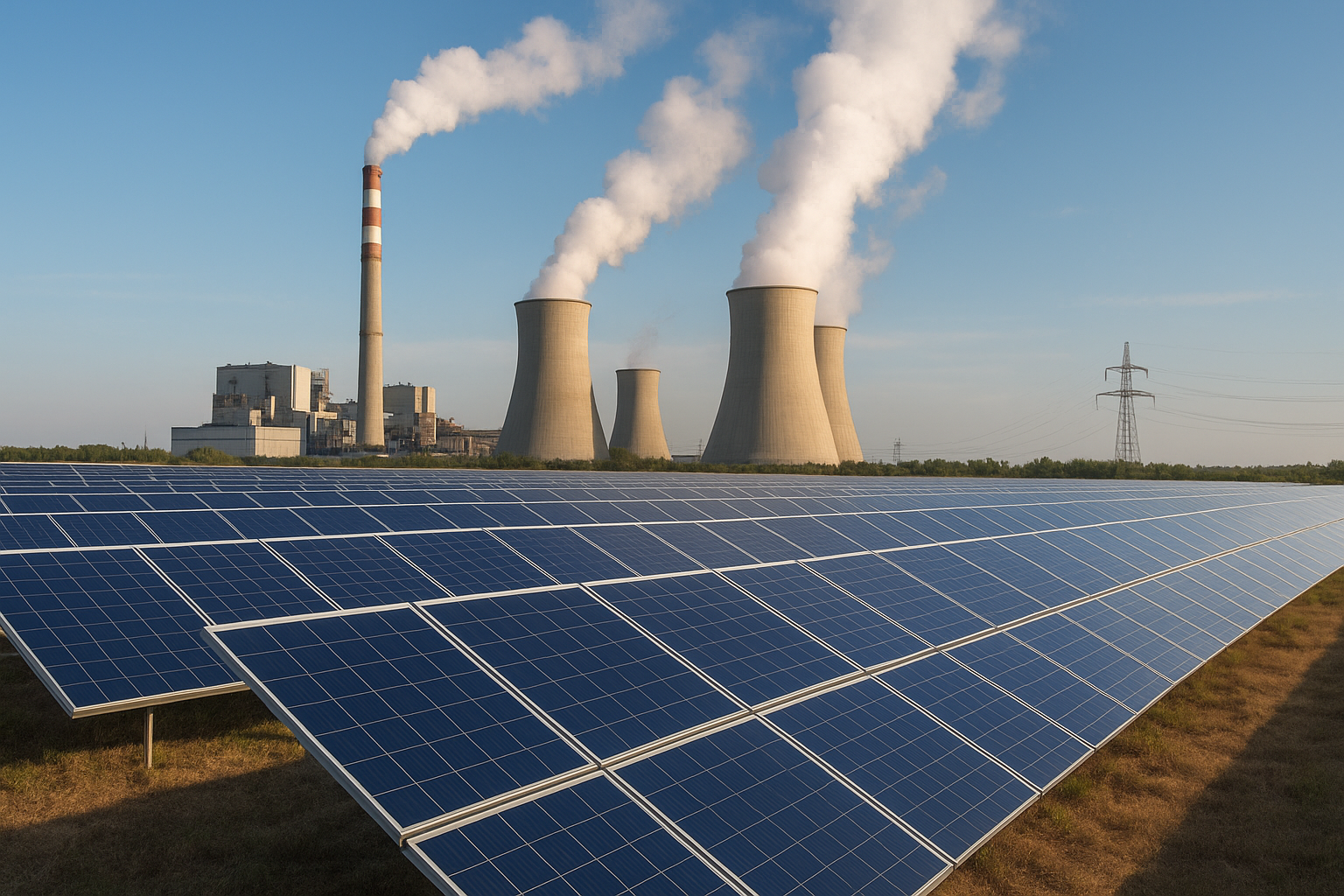
China’s solar fleet now leads coal in installed power capacity, a milestone that highlights the pace of renewable additions in the world’s biggest electricity market, Reuters reported.
The shift reflects sustained investment in large-scale solar projects, rooftop systems and supportive policies that have lowered project costs and accelerated deployment. Industry analysts say the change underlines the altered economics of new power plants.
Despite the headline change in capacity ranking, experts caution that capacity does not directly equate to continuous output. Solar’s variable nature means coal and other dispatchable sources continue to play a role in meeting demand during low-sun periods.
The transition raises operational questions for grid operators, who must balance growing intermittent generation with system stability. Improving transmission, adding storage and reforming market signals are commonly cited measures to accommodate higher shares of solar.
Environmental and investment implications are significant: a renewable-dominant capacity mix can reduce reliance on fossil fuels over time, while reshaping opportunities across equipment supply chains and financing for new projects.
However, the move does not erase challenges. Curtailment of renewable output, the need for more flexible generation, and regional disparities in resource availability remain material issues for policymakers and utilities.
Observers say the milestone will attract scrutiny from global investors and could influence international equipment markets, while also informing China’s domestic policy decisions on power markets and long-term planning.
FAQs
What does it mean when solar overtakes coal in installed power capacity?
It means the total nameplate capacity of solar generation devices installed in the country is greater than the total nameplate capacity of coal-fired plants. This is a measure of potential maximum output, not actual electricity produced, and does not by itself indicate that solar now supplies a majority of electricity generation.
Why has solar capacity grown so quickly in China?
Solar growth has accelerated due to a combination of policy support, declines in module and installation costs, large-scale project development, and expanding rooftop installations. These factors make new solar projects more economically attractive than in the past.
Does higher solar capacity mean China will immediately burn less coal?
Not immediately. Because solar output varies with weather and time of day, coal and other dispatchable resources often remain necessary to ensure reliable supply. Over time, increased renewables plus storage and grid flexibility can reduce coal generation.
What grid challenges arise from rapid solar expansion?
Rapid solar growth can increase curtailment risks, strain transmission networks, and require more flexible balancing resources. Upgrading transmission, adding energy storage and improving market and operational arrangements help manage these challenges.
How might this shift affect global solar equipment markets?
Stronger demand in China can influence global supply chains for panels, inverters and trackers, affecting prices, manufacturing investment decisions and export patterns. Market shifts also drive competition and technological innovation.
Will solar dominance in capacity change China’s climate trajectory?
Higher solar capacity is an important element of decarbonisation but must be paired with storage, grid improvements and emissions policies to cut actual fossil-fuel generation. Capacity changes are a step, not a complete solution, in reducing emissions over time.