Can Waterless Robotic Cleaning Improve Solar Plant Performance While Saving Water?
By Yogesh Kudale, CEO
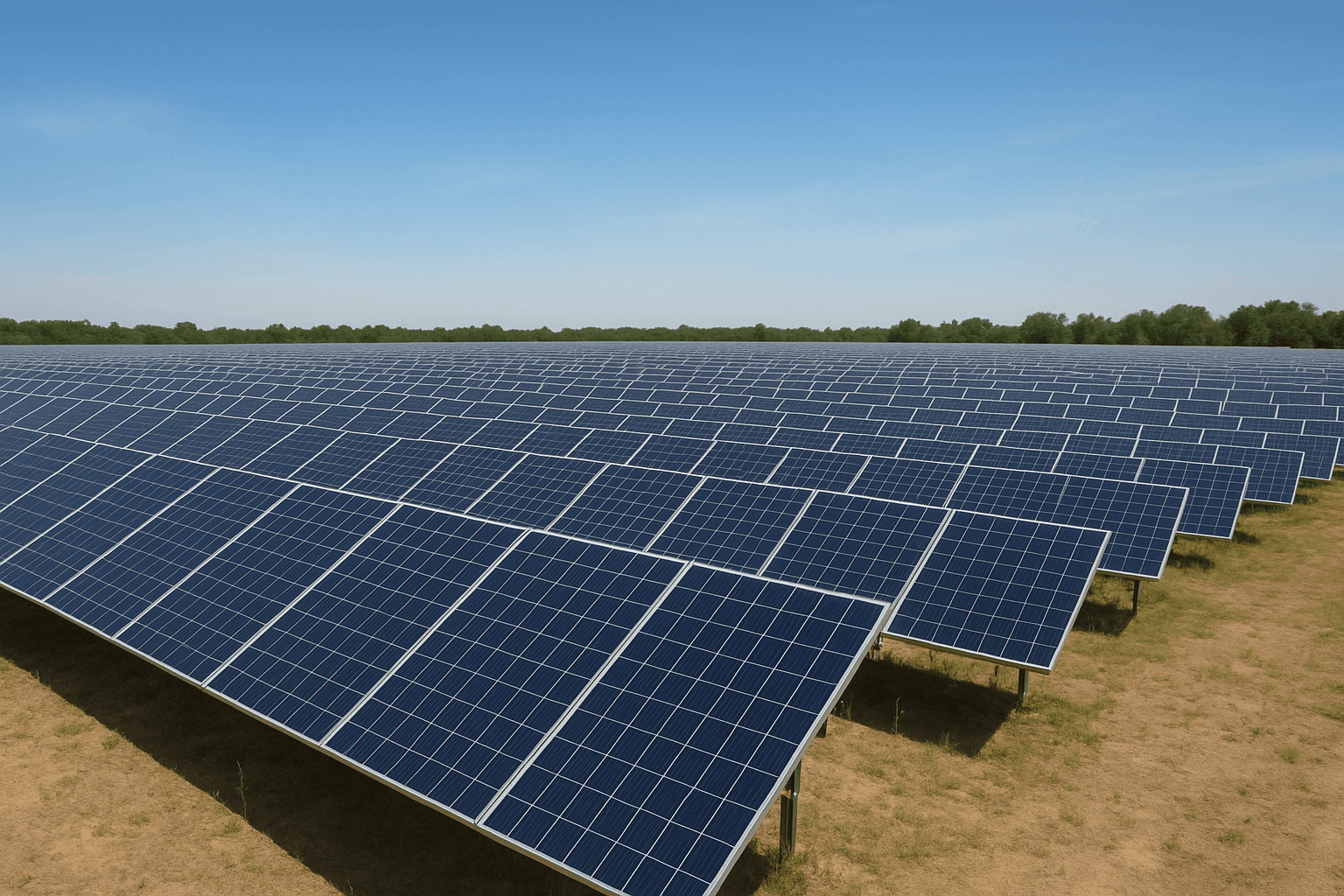
Solar power plants are designed to generate electricity over decades, but their actual performance depends on more than module efficiency and installed capacity. Environmental conditions, maintenance practices and dust accumulation can significantly influence how much electricity a solar installation produces.

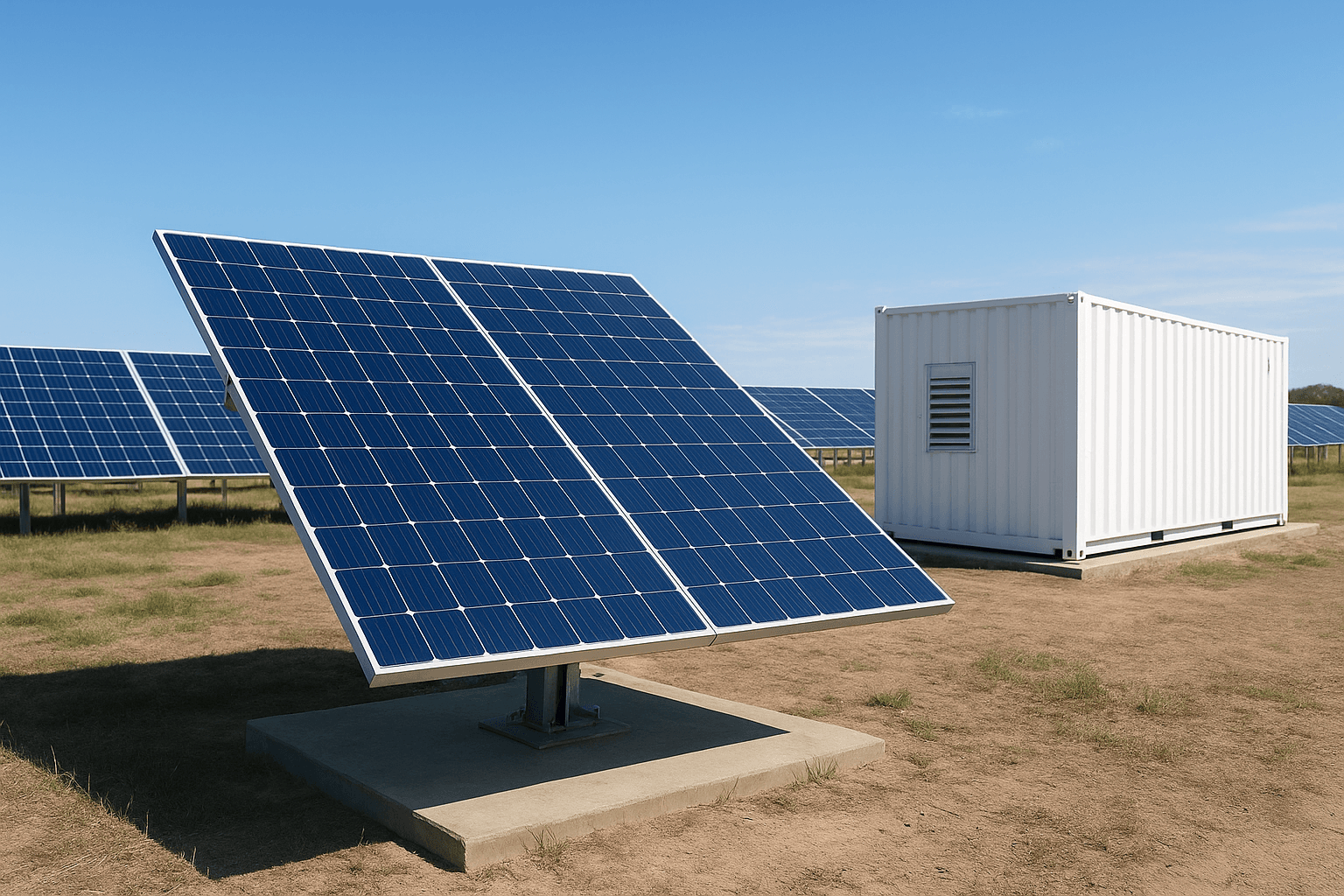
Solar power plants are designed to generate electricity over decades, but their actual performance depends on more than module efficiency and installed capacity. Environmental conditions, maintenance practices and dust accumulation can significantly influence how much electricity a solar installation produces.
Among these factors, soiling—the accumulation of dust and other contaminants on solar panel surfaces—is a recurring operational challenge. Understanding its impact can help plant operators make better cleaning decisions, manage maintenance expenditure and improve energy generation.
Solar panel soiling occurs when dust, sand, pollen, bird droppings and other contaminants accumulate on photovoltaic module surfaces. These deposits can obstruct incoming sunlight and reduce the amount of solar radiation reaching the cells.
The severity of soiling varies by location. Solar plants in arid regions may experience frequent dust accumulation, while installations near agricultural fields or industrial areas may be exposed to different types of airborne contaminants.
Rainfall can remove some loose dust, but it does not always clean modules uniformly. In certain conditions, moisture can combine with dust to create deposits that are more difficult to remove.
Consequently, soiling should be treated as an operational variable rather than a uniform problem across every solar installation.
Photovoltaic modules convert sunlight into electricity. When dust and other particles cover the module surface, less sunlight may reach the cells, affecting electrical output.
The actual impact depends on the thickness and distribution of the deposits, the module technology, the weather and the operating conditions of the plant.
Uneven soiling can also create differences in illumination across modules. Depending on the system configuration and severity, this can contribute to electrical mismatch and additional performance losses.
For plant operators, the important consideration is not simply whether panels appear dirty, but whether soiling is affecting energy generation enough to justify cleaning.
Several environmental and operational factors influence how quickly solar panels become dirty.
Local climate: Dry weather, wind patterns and prolonged periods without rainfall can encourage dust accumulation.
Dust composition: Fine particles, sand and sticky deposits behave differently and may require different cleaning approaches.
Humidity and dew: Moisture can cause particles to adhere more strongly to module surfaces.
Plant location: Agricultural activity, construction, industrial operations and nearby unpaved roads can increase exposure to airborne contaminants.
Module configuration: Tilt angle, mounting arrangement and the surrounding environment can influence how particles settle and whether natural rainfall removes them.
Understanding these variables helps operators develop cleaning strategies that reflect actual site conditions.
There is no single cleaning frequency suitable for every solar power plant. A schedule that works in one region may be inefficient in another.
Cleaning too infrequently can allow avoidable soiling losses to persist. Cleaning too frequently can increase labour, equipment and resource costs without necessarily delivering proportional energy benefits.
A practical approach involves monitoring soiling conditions, reviewing energy generation data and assessing the relationship between cleaning expenditure and recovered output.
Where appropriate, operators can compare the performance of cleaned and uncleaned reference modules or use dedicated soiling-monitoring equipment to estimate the effect of accumulated deposits.
This allows cleaning decisions to be based on measurable conditions rather than relying entirely on fixed schedules.
Robotic cleaning systems offer an alternative to labour-intensive manual cleaning, particularly at large utility-scale installations.
TAYPRO's robotic cleaning technology uses a patented Dual-Pass Cleaning mechanism that combines airflow with microfiber-based contact cleaning. The approach is designed to remove accumulated dust without routine water consumption during the cleaning process.
Depending on the model and plant configuration, robotic systems can support autonomous or semi-automatic cleaning operations. Remote monitoring and scheduled cleaning can also help operators coordinate maintenance activities across extensive solar arrays.
The suitability of a robotic system depends on factors such as module layout, mounting structures, environmental conditions and existing maintenance practices.
Robotic cleaning should therefore be evaluated as part of a broader maintenance strategy rather than as a universal solution for every site.
Artificial intelligence can help solar operators make more informed decisions about cleaning schedules and equipment maintenance.
Weather information, historical cleaning records and environmental patterns can support the identification of periods when soiling is likely to affect performance.
AI-driven scheduling can help operators move beyond purely calendar-based cleaning. Remote monitoring can provide visibility into robot operating status, while equipment health monitoring can help maintenance teams investigate abnormal conditions.
However, the effectiveness of these approaches depends on the quality of the available data, the suitability of the underlying models and the accuracy of operational measurements.
The objective is to align cleaning activities with actual plant requirements while balancing energy recovery and maintenance expenditure.
The financial impact of soiling should be assessed using plant-specific data.
Operators can begin by establishing baseline energy generation and estimating the contribution of soiling to observed performance losses. They can then compare the costs of cleaning against the value of the additional electricity generated after cleaning.
A comprehensive assessment should consider:
These measurements help determine whether a particular cleaning strategy delivers a positive financial outcome.
Dust accumulation is an important consideration in solar power plant operations because it can reduce the sunlight reaching photovoltaic modules and affect energy generation. Its impact varies according to climate, dust characteristics, module configuration and maintenance practices.
By monitoring soiling conditions, measuring performance losses and selecting appropriate cleaning methods, plant operators can make more informed maintenance decisions.
Robotic cleaning, remote monitoring and AI-supported scheduling can contribute to this process when deployed under suitable conditions. Ultimately, the objective is to maintain module cleanliness efficiently while balancing energy generation, operational expenditure and resource consumption.