News at Glance
- UNSW is conducting tests on next-generation solar panels across laboratory and outdoor settings to evaluate real-world performance.
- Testing focuses on durability and energy yield to inform commercial adoption, certification and system design decisions.
- Independent validation is intended to reduce deployment risk for manufacturers and project developers.
University-led validation seeks to bridge lab results and field performance
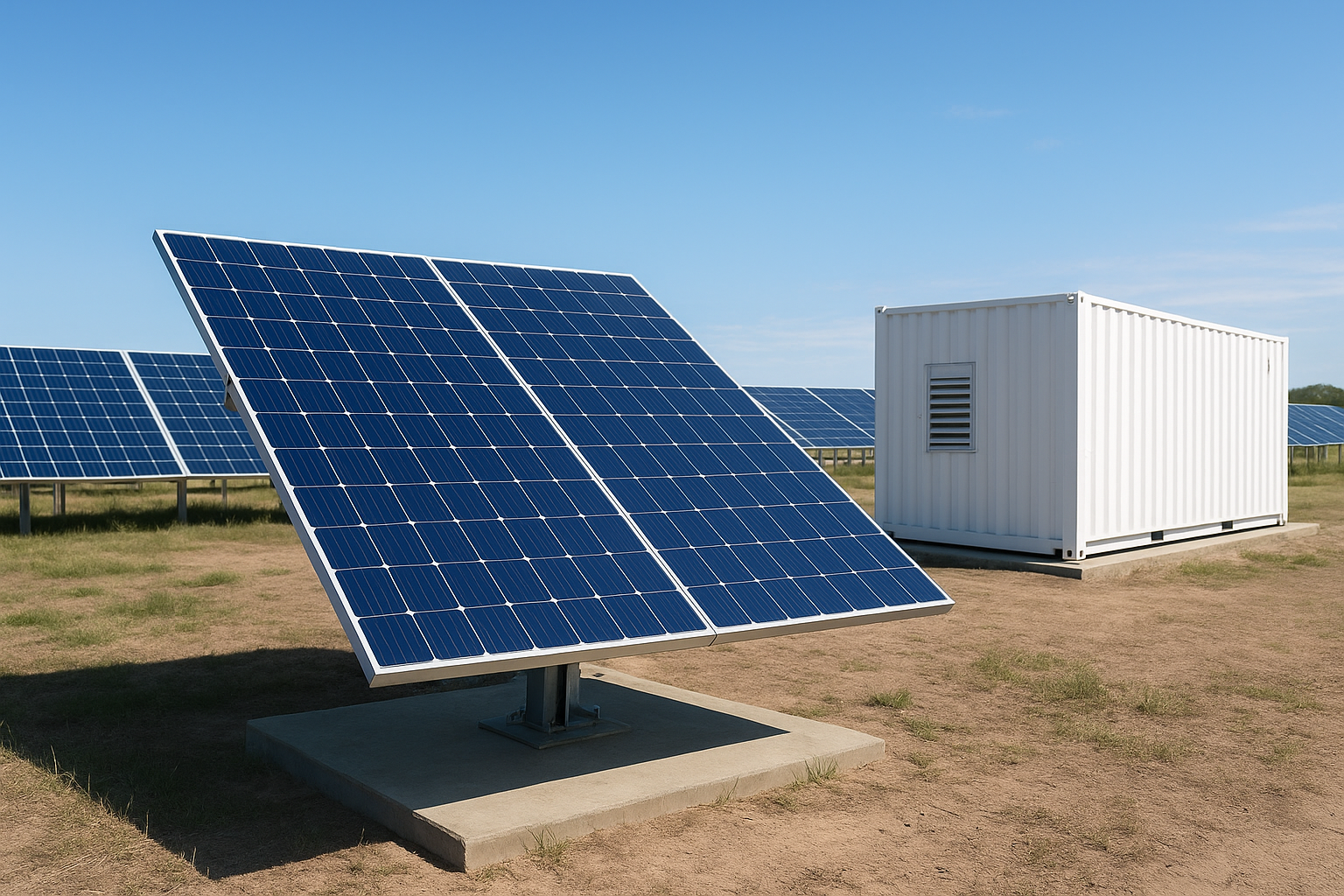
Researchers at the University of New South Wales are carrying out controlled experiments and outdoor assessments of emerging photovoltaic module technologies. The objective is to translate laboratory performance gains into reliable, long-term energy delivery in real-world conditions.
Testing programmes typically combine accelerated ageing in climate chambers with longer-term exposure at outdoor test sites to capture both early-life defects and slow degradation mechanisms. Measurements include power output, thermal behaviour, moisture ingress and mechanical resilience under varying irradiance and temperature cycles.
Independent verification by academic labs helps manufacturers and investors understand failure modes and warranty risks before widespread commercial deployment. Validated data can also inform product standards and insurer assessments, reducing uncertainty for large-scale solar projects.
For grid operators and developers, consistent performance and predictable degradation rates are critical inputs to financial models and system design. Testing outcomes influence choices about module type, mounting systems and balance-of-system components that affect overall project cost and lifetime energy production.
The testing work complements broader research into module recycling, lifecycle emissions and supply-chain resilience, all of which matter as new PV technologies move from demonstration to market. Publicly available, peer-reviewed results can accelerate adoption while highlighting where further innovation or standard updates are needed.
Specific technical details of the UNSW test programmes and timelines were not available at the time of publication; readers seeking in-depth datasets or protocol documents should consult the university or relevant test facilities for primary information.
FAQs
What does testing of next-generation solar panels typically involve?
Testing usually combines accelerated laboratory stress tests (temperature, humidity, UV, mechanical load) with long-term outdoor exposure to measure power output, degradation rates and failure modes under realistic conditions.
Why is independent laboratory validation important for new photovoltaic technologies?
Independent validation reduces commercial and technical risk by confirming manufacturer claims, identifying durability issues early, and providing credible data for investors, insurers and standards bodies.
How do test results affect commercial deployment of new solar modules?
Results inform warranty terms, project financial models, choice of mounting and cooling systems, and selection by developers and utilities based on predicted lifetime energy yield and reliability.
What measurements are most important when evaluating a new solar panel?
Key metrics include initial power conversion efficiency, temperature coefficients, degradation rate over time, resistance to moisture and mechanical stress, and performance under real-sky irradiance patterns.
Can laboratory tests predict field performance accurately?
Laboratory tests can accelerate and reveal many failure mechanisms, but field trials are essential to capture environmental interactions and operational factors that affect long-term performance.
Where can readers find primary data from university test programmes?
Primary data and detailed protocols are typically available from the hosting university, research centre or designated test facility; interested parties should contact the institution directly for published reports or datasets.