News at Glance
- Firm purchased a retired Texas coal power site with the intent to deploy utility-scale solar.
- Existing grid connections and transmission infrastructure are being used to reduce time and cost for interconnection.
- Project aims to repurpose brownfield assets to accelerate renewable deployment and limit new land use.
Existing transmission hookups expected to cut interconnection time for new solar
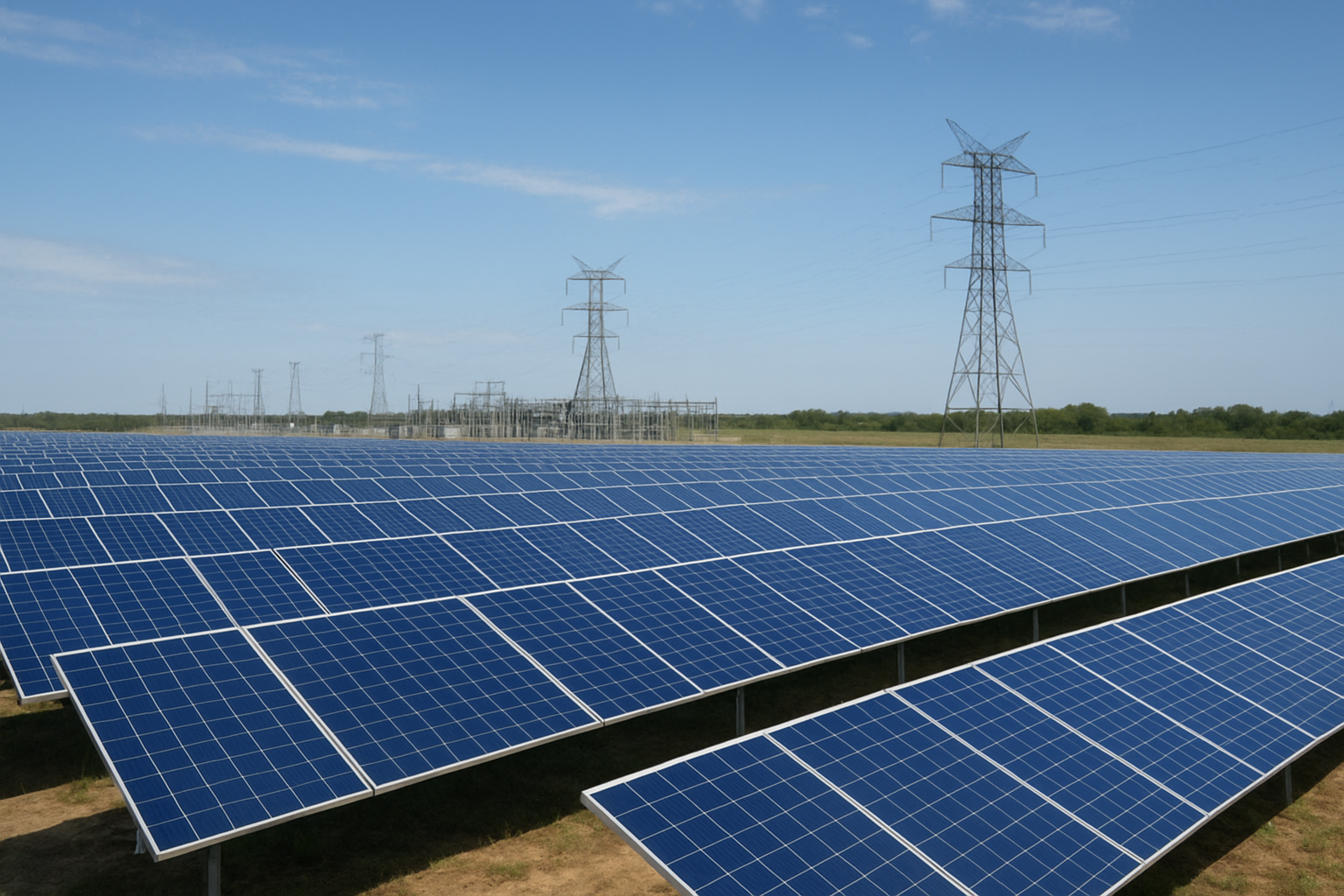
A privately held firm has acquired a retired coal-fired power site in Texas to support a large-scale solar development by using the site’s existing transmission and interconnection assets. The buyer intends to capitalise on the connectivity and infrastructure already in place to lower barriers that commonly slow utility-scale renewable projects.
Reusing former fossil fuel sites for solar can reduce the time and expense of securing new transmission capacity and interconnection agreements, which are frequent bottlenecks in the permitting and construction process. Brownfield reuse may also avoid some of the community and environmental trade-offs associated with greenfield developments.
While specific financials, project capacity and timelines were not disclosed, the acquisition aligns with a broader industry trend of converting decommissioned thermal plants into renewable generation hubs. Developers and grid planners often value sites with existing switchyards, rights-of-way and access roads because they lower upfront infrastructure costs.
Challenges remain, including completing interconnection studies, securing local permits and managing site remediation where necessary. Grid operators typically require technical assessments to ensure stability and limit impacts on transmission flows, and those studies can influence project sizing and schedule.
Observers say such conversions can create local economic opportunities through construction and operations jobs, while offering a practical pathway to increase renewable capacity without entirely new transmission builds. The specifics of this Texas project will determine how quickly it can move from acquisition to power generation.
FAQs
Why are existing grid connections at retired power plants valuable for solar projects?
Existing grid connections include transmission lines, substations and interconnection agreements that can significantly shorten the time and cost required to bring new generation online. Reusing this infrastructure avoids building new long-distance transmission and simplifies technical integration with the grid.
What regulatory steps are required to convert a former coal plant site into a solar facility?
Typical steps include site assessment and remediation, obtaining zoning and construction permits, completing interconnection studies with the grid operator, securing environmental approvals, and negotiating power purchase or offtake arrangements. Timelines vary by jurisdiction and project scope.
Can soil contamination at an old coal plant prevent solar development?
Contamination can complicate reuse, but many brownfield sites are remediated and repurposed successfully. Remediation requirements depend on the contamination type and local environmental regulations, and remediation can be integrated into project planning and costs.
How does reusing a fossil fuel site for solar affect local economies?
Redevelopment can bring construction jobs, long-term operations roles and potential tax revenues. It may also help communities transition from fossil-dependent economies, though benefits depend on project scale and local hiring policies.
Will converting coal plant sites to solar eliminate the need for new transmission lines?
Not always. While some repurposed sites provide sufficient capacity, others may still require upgrades or additional transmission to accommodate increased generation or to deliver power to demand centers. Grid studies determine the actual need for upgrades.
How common is brownfield reuse for renewable energy projects in the United States?
Repurposing former industrial and power-generation sites for renewables is increasingly common as developers seek cost and permitting advantages. The approach is viewed as a practical method to expand renewables while limiting new land disturbance, but adoption rates vary by region and site availability.