
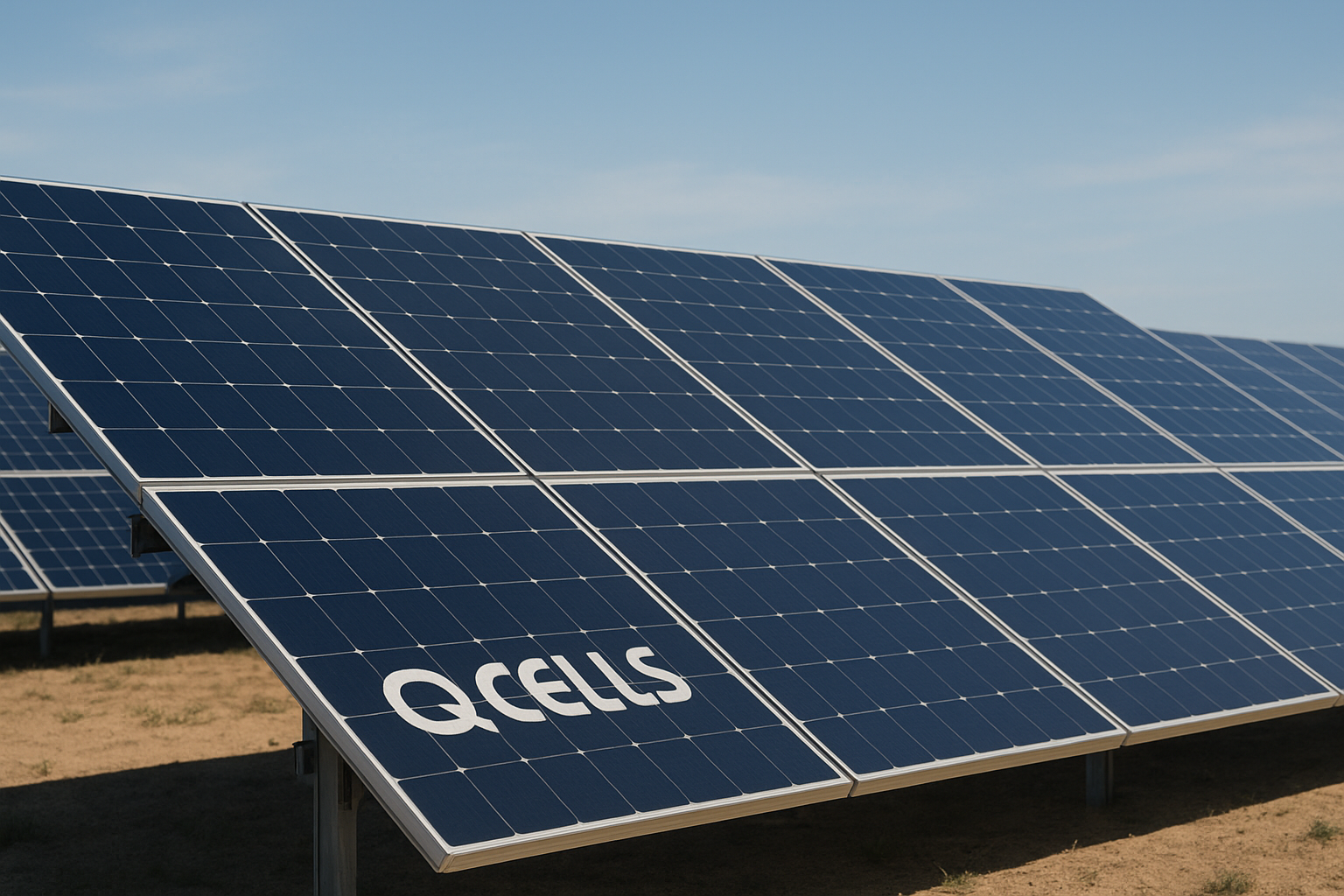
News at Glance
- QCells adapts procurement to reduce exposure to trade disruptions and safeguard module supply.
- U.S. operations scaled to align with incentive rules and maintain project eligibility.
- Commercial terms adjusted to manage cost volatility and preserve developer relationships.
QCells rebalances U.S. supply chain amid trade and incentive swings
QCells, a major solar manufacturer and supplier, has navigated a period of shifting U.S. policy by changing how it sources components and positions manufacturing capacity. Companies in the sector face an uncertain mix of trade measures and incentive programs that can quickly alter project economics.
To mitigate disruption, QCells has moved toward a more flexible procurement model, spreading orders across multiple suppliers and regions. That approach reduces the risk from any single trade action or supply bottleneck while allowing the company to respond to sudden rule changes.
Another common response has been to expand U.S.-based operations or assembly to meet eligibility criteria tied to domestic-content incentives. For manufacturers, localising some stages of production can protect market access when rules favour products with U.S. inputs.
Commercially, QCells and peers are revising contract structures to manage price swings driven by tariffs, freight and input costs. Longer lead times, revised force‑majeure clauses and index‑linked pricing have become tools to keep projects moving.
Policy volatility also prompts closer engagement with buyers and developers to prioritize projects that remain viable under current rules. Developers increasingly seek suppliers that demonstrate supply stability and compliance expertise.
Looking ahead, greater predictability in trade and incentive frameworks would ease planning for manufacturers and project owners alike. Until then, diversification, partial localisation and contractual flexibility remain central to how companies such as QCells stay competitive in the U.S. market.
FAQs
How do shifting U.S. policies affect solar manufacturers?
They change the cost and eligibility of products for projects by altering tariffs, trade restrictions and domestic-content incentives, which can affect supply chains and pricing.
What steps can QCells take to reduce risk?
Typical measures include diversifying suppliers, establishing local assembly or manufacturing, and modifying commercial contracts to share or mitigate cost volatility.
Why does U.S. localisation matter?
Domestic production can make products eligible for incentives and reduce exposure to import restrictions, improving project competitiveness under certain policy regimes.
Do policy swings affect project timelines?
Yes. Sudden rule changes can force redesigns, renegotiations or delays as stakeholders reassess costs and compliance requirements.
Can contractual changes protect buyers and sellers?
Contracts that include flexible pricing, extended lead times and clear risk allocations can help manage unexpected cost or supply shifts.
What would help stabilise the market?
Clear, durable trade and incentive rules and transparent implementation would reduce uncertainty for manufacturers, developers and investors.