News at Glance
- Solar now often offers the lowest bids in competitive power tenders and long-term purchase agreements across multiple markets.
- Cost reductions result from factory scale-up, improved panel efficiency and cheaper balance-of-system components, lowering upfront capital requirements.
- Market structures and finance—auctions, long-term contracts and lower borrowing costs—have converted cost declines into deployable capacity.
Auctions and manufacturing scale reshaped solar pricing
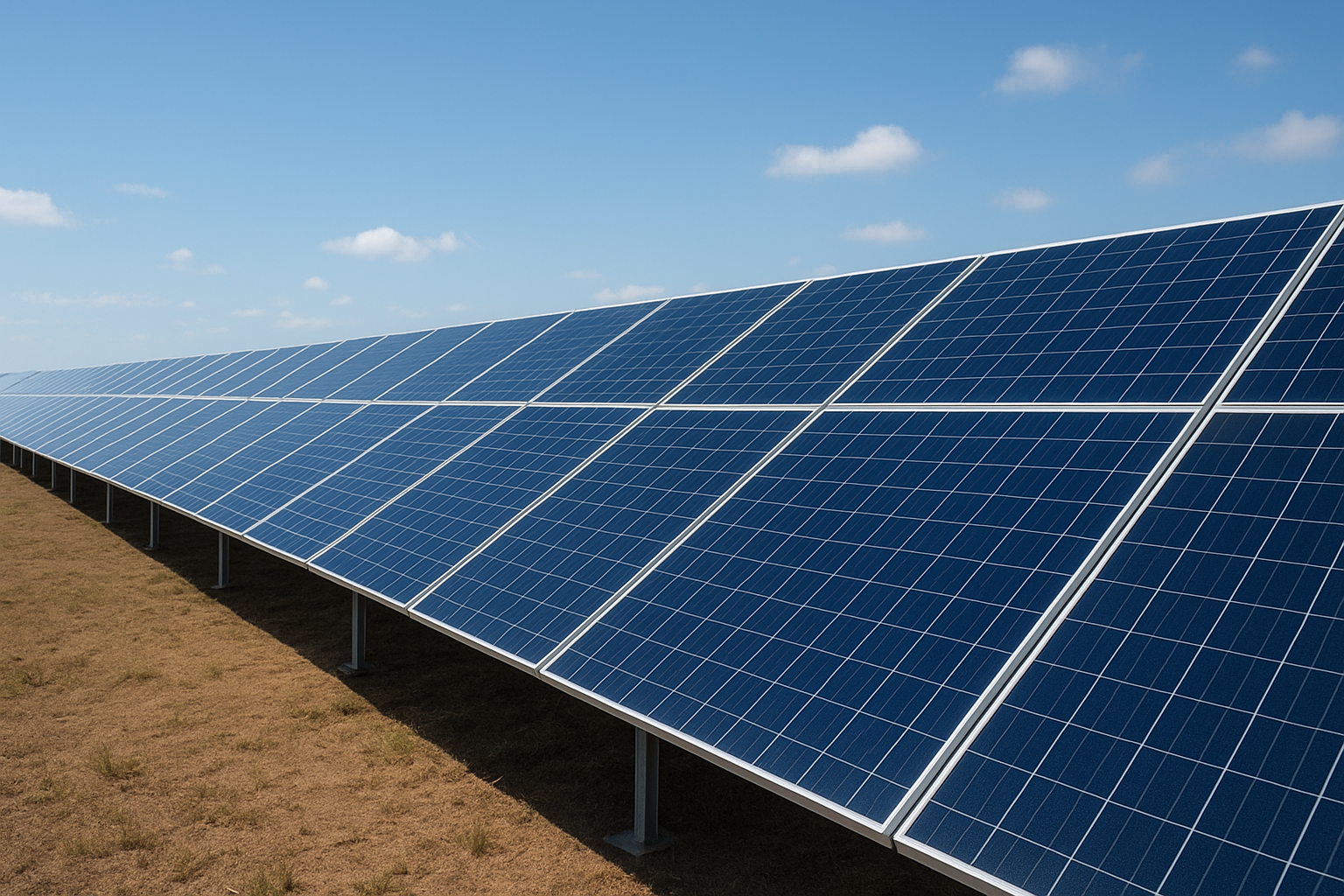
Solar electricity has moved from a niche to a mainstream, low-cost option in many countries as component prices fell and project development matured. Competitive procurement and standardized contracts helped translate manufacturing gains into sharply lower bids for new power.
Manufacturing scale, technology improvements in cells and modules, and reduced balance-of-system costs drove the price trajectory. Concentration of production in high-volume factories lowered unit costs and supported rapid product iteration.
Market mechanisms amplified those cost reductions. Power-purchase agreements, auctions and project finance structures reduced revenue risk and allowed developers to offer lower prices. Lower perceived project risk also improved access to cheaper capital.
The result has been a wave of new-build solar deployments, both utility-scale and distributed. Developers pair capacity with storage or flexible dispatch to manage variability, enabling higher penetration on grids.
Challenges remain: integrating large volumes of variable generation, ensuring resilient supply chains for critical materials, and addressing end-of-life panel recycling. Grid upgrades and smarter market design are needed to sustain deployment.
Outlook hinges on continued technological progress, broader deployment of storage and supportive policy that balances rapid build-out with system reliability. Where those pieces align, solar will likely stay a central, low-cost pillar of power systems.
FAQs
Why did solar prices fall so quickly?
Prices declined because of manufacturing scale, improvements in panel efficiency, reductions in balance-of-system costs and more efficient project development and financing.
Are auction prices a reliable indicator of system costs?
Auctions reflect the cost of new generation under specific contract terms and are useful indicators for new-build competitiveness, though they do not capture integration or system-level costs.
How does storage affect solar economics?
Storage raises project costs but increases value by shifting energy to high-price periods and smoothing output, improving the practical utility of solar on the grid.
Can solar replace fossil fuels entirely?
Solar can displace large shares of fossil generation for new capacity, but full replacement requires storage, grid flexibility and market reforms to manage variability.
Are there environmental downsides to rapid solar growth?
Concerns include mining for raw materials, manufacturing impacts and panel disposal; improving recycling and supply-chain standards can mitigate these issues.
What should policymakers focus on now?
Policymakers should prioritise grid upgrades, streamlined permitting, storage incentives and recycling rules to capture benefits while maintaining reliability.