News at Glance
- Maharashtra has introduced toll exemptions for electric vehicles, according to local reports, aiming to reduce running costs for EV owners.
- The state is reported to offer residential charging support to ease installation of home chargers, including in apartment buildings where access can be limited.
- Measures are intended to accelerate EV uptake and cut urban emissions by lowering ownership costs and expanding charging access, analysts say.
Toll Exemption Seeks to Reduce Daily Operating Costs for EV Drivers
The Maharashtra government has reportedly announced policy steps to spur electric vehicle adoption, focused on toll exemptions and assistance for residential charging. Local reporting indicates these measures target cost barriers that deter buyers and complicate everyday use.
Toll waivers for EVs at state-managed plazas could lower recurring expenses for commuters and commercial fleet operators. While specifics on implementation and eligibility were not detailed in reports, officials and stakeholders expect the change to improve affordability of electric mobility.
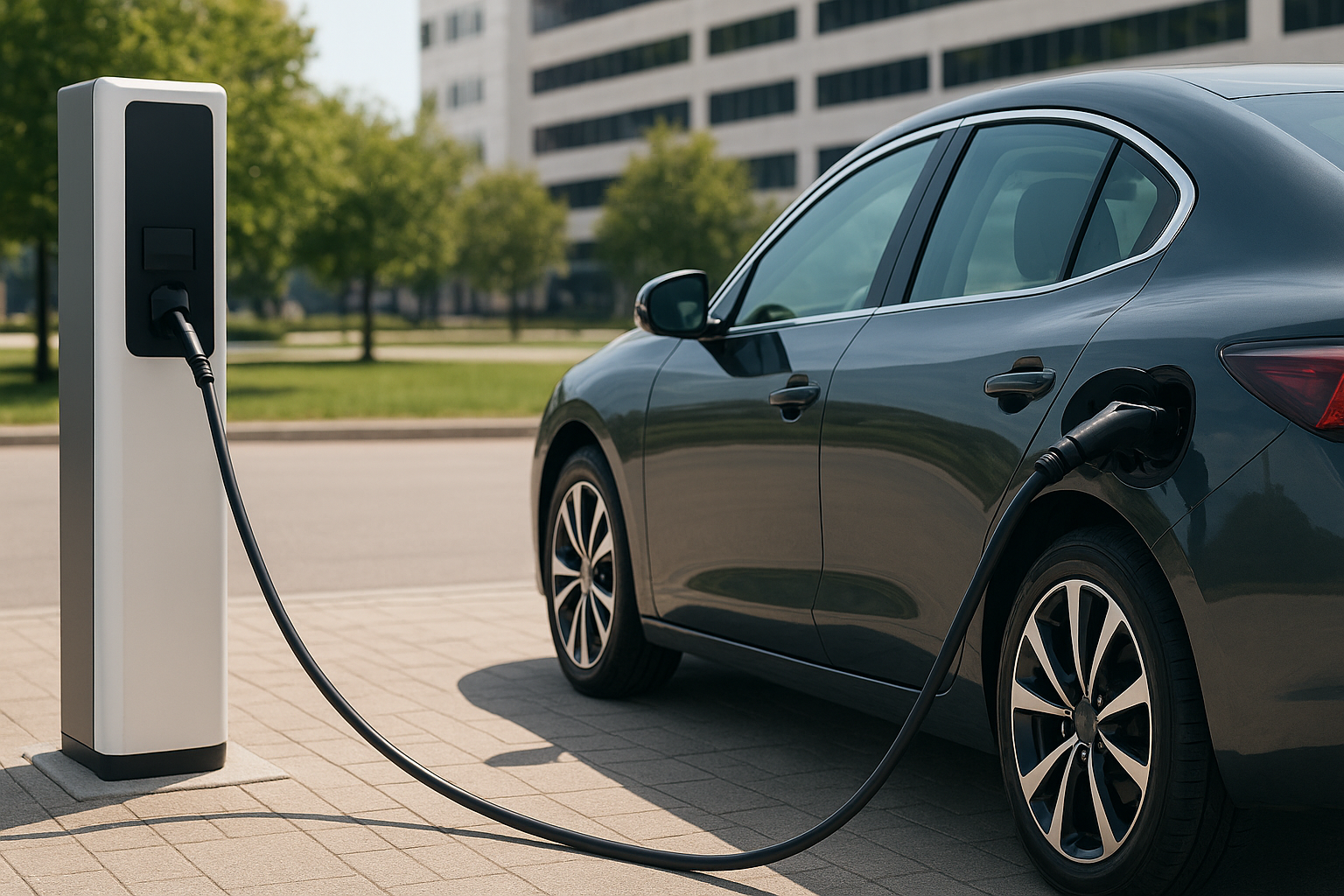
Parallel support for residential charging addresses a common obstacle in multi-unit housing where access to sockets and parking allocation can be restrictive. Reported measures may include administrative facilitation and technical guidance to help residents and housing societies install chargers.
Industry observers say combined incentives—operational cost relief plus easier home charging—can shorten the payback period for electric cars and two- or three-wheelers. Experts note, however, that sustained adoption will depend on wider charger networks and grid readiness.
Challenges cited by analysts include the need for coordinated policy between state and municipal bodies, streamlined permitting, and investments in public fast-charging. Observers also point to the importance of integrating incentives with existing national programmes that promote electric mobility.
If implemented effectively, the reported measures could serve as a model for other states seeking to nudge consumers toward low-emission transport. Close monitoring of uptake, charger deployment and fiscal impacts will be required to assess long-term outcomes.
FAQs
What does a toll exemption for EVs mean?
A toll exemption means electric vehicles would not pay user fees at certain state-managed toll plazas, lowering recurring travel costs. The exact scope and qualifying vehicle types depend on official rules once published.
How will residential charging support help EV owners?
Residential charging support can simplify installation, provide technical guidance and address permission hurdles in apartment complexes, which increases daily convenience for owners. It reduces reliance on public chargers for routine overnight charging.
Who is likely to benefit first from these measures?
Early beneficiaries are expected to be private EV owners and local fleet operators who use state roads regularly and need reliable home charging. Uptake among apartment residents could depend on housing society cooperation.
What are the main challenges to making these measures effective?
Key challenges include ensuring sufficient public charging infrastructure, grid capacity, streamlined permits for charging installations, and clarity on eligibility and enforcement of toll exemptions. Coordination across agencies is critical.
How soon could drivers see benefits?
Drivers may see immediate operational savings if toll waivers are applied quickly, while residential charging improvements could take longer due to installation and permitting timelines. The pace will depend on implementation details.
How do these steps fit into India’s broader EV strategy?
State-level incentives complement national efforts to promote electric mobility by addressing local barriers such as running costs and home charging access. Effective state measures can accelerate adoption alongside central policies and subsidies.