News at Glance
- 411 GWh of battery storage is identified as needed to support India’s expanding renewable capacity.
- Three listed companies are publicly competing to supply and deploy large-scale battery systems and cell manufacturing.
- Manufacturing and project pipelines are seen as the key battlegrounds for investors and policymakers to secure grid reliability.
411 GWh shortfall could strain evening demand and grid stability
India’s surge in solar and wind capacity is increasing the need for large-scale battery storage to smooth generation and meet evening peak demand. A widely cited figure puts the requirement at 411 GWh of storage to balance variable output and support grid flexibility.
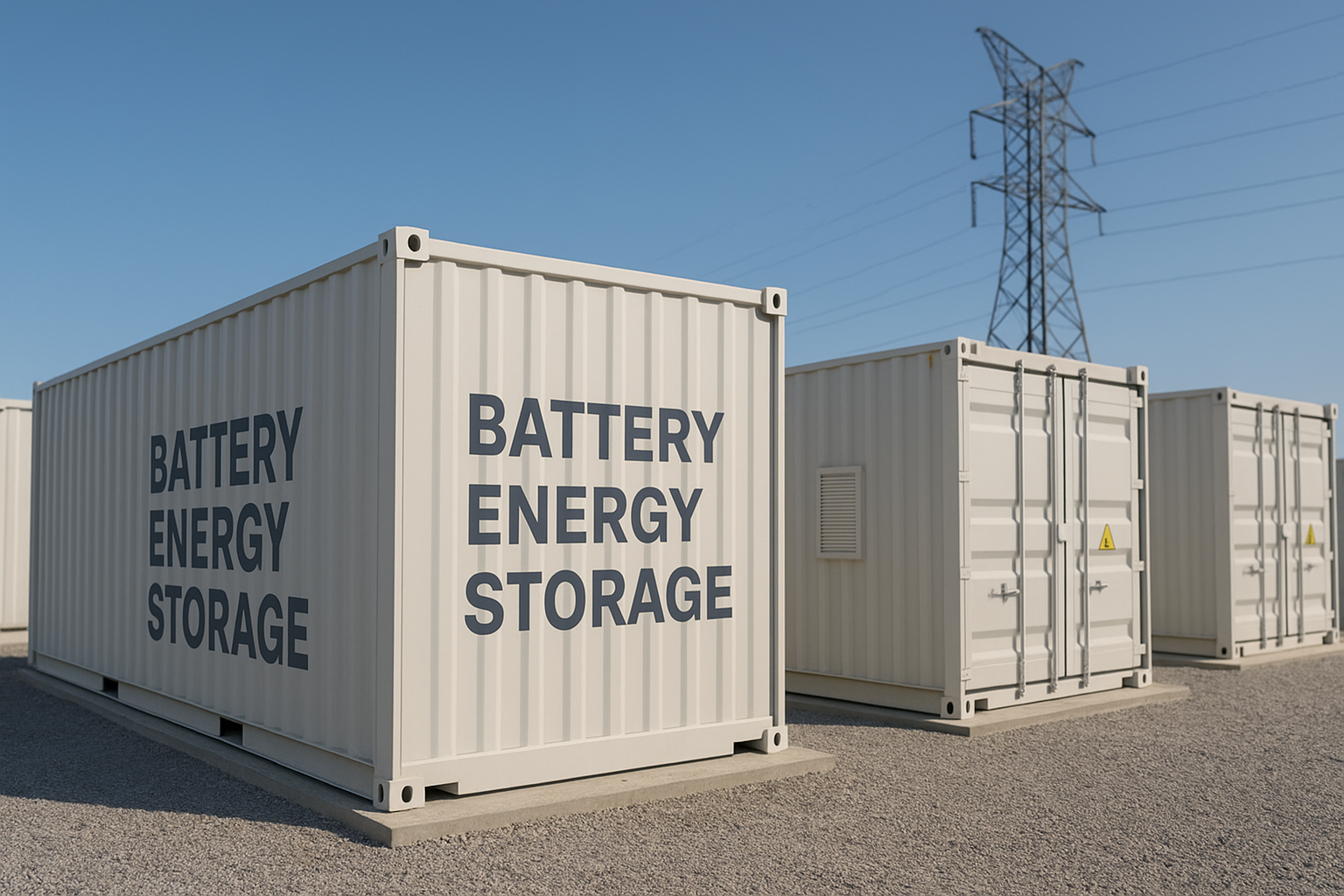
Battery energy storage systems (BESS) store excess renewable output and discharge power when generation falls, helping maintain frequency and avoid curtailment. Without sufficient storage, system operators face higher reliance on flexible fossil-fuel plants or curtailed clean generation.
On the supply side, three publicly traded firms are racing to build capacity across cell manufacturing, system integration and utility-scale projects. Companies are pursuing vertical integration, joint ventures and project pipelines to capture contracts from utilities, corporate customers and state tenders.
The opportunity spans import substitution for cells and packs, domestic assembly, and deployment for merchant and contracted grid services. Scaling production faces challenges including supply-chain constraints for cells, raw materials and the need for capital-intensive factories.
Policy support, procurement tenders and financing mechanisms will be critical to translate demand into projects at scale. Market participants say execution speed, technology choices and long-term offtake agreements will determine winners in the emerging storage market.
For investors, the space offers growth tied to the energy transition but comes with execution and technology risks. Close attention to announced capacity, project timelines and partnerships will be important when assessing exposure to the storage build-out.
FAQs
What does 411 GWh of battery storage mean for India’s electricity system?
It refers to the cumulative energy capacity of batteries needed to store and dispatch power; 411 GWh would allow the grid to shift large volumes of renewable energy to periods of higher demand, reducing curtailment and fossil fuel backup.
Why is battery storage required as renewable power grows?
Storage compensates for the intermittent nature of wind and solar, matching supply with demand, stabilising frequency, and enabling higher renewable penetration without compromising reliability.
What roles do manufacturers and project developers play in meeting storage needs?
Manufacturers produce cells and packs while developers integrate systems, secure sites, arrange grid connections and finance projects; both segments are needed to deliver operational storage capacity.
How do investors typically evaluate storage companies?
Investors look at announced manufacturing capacity, order books, project pipelines, technology partners, balance sheet strength and contracts or tenders that secure future revenue.
What are the main risks in scaling battery storage in India?
Key risks include supply-chain bottlenecks for cells and raw materials, execution delays in factory and project builds, technology shifts, and availability of long-term offtake funding.
Can battery storage reduce renewable energy curtailment?
Yes; by absorbing excess generation during low demand and dispatching it later, batteries can significantly reduce curtailment and improve the utilisation of renewable assets.