News at Glance
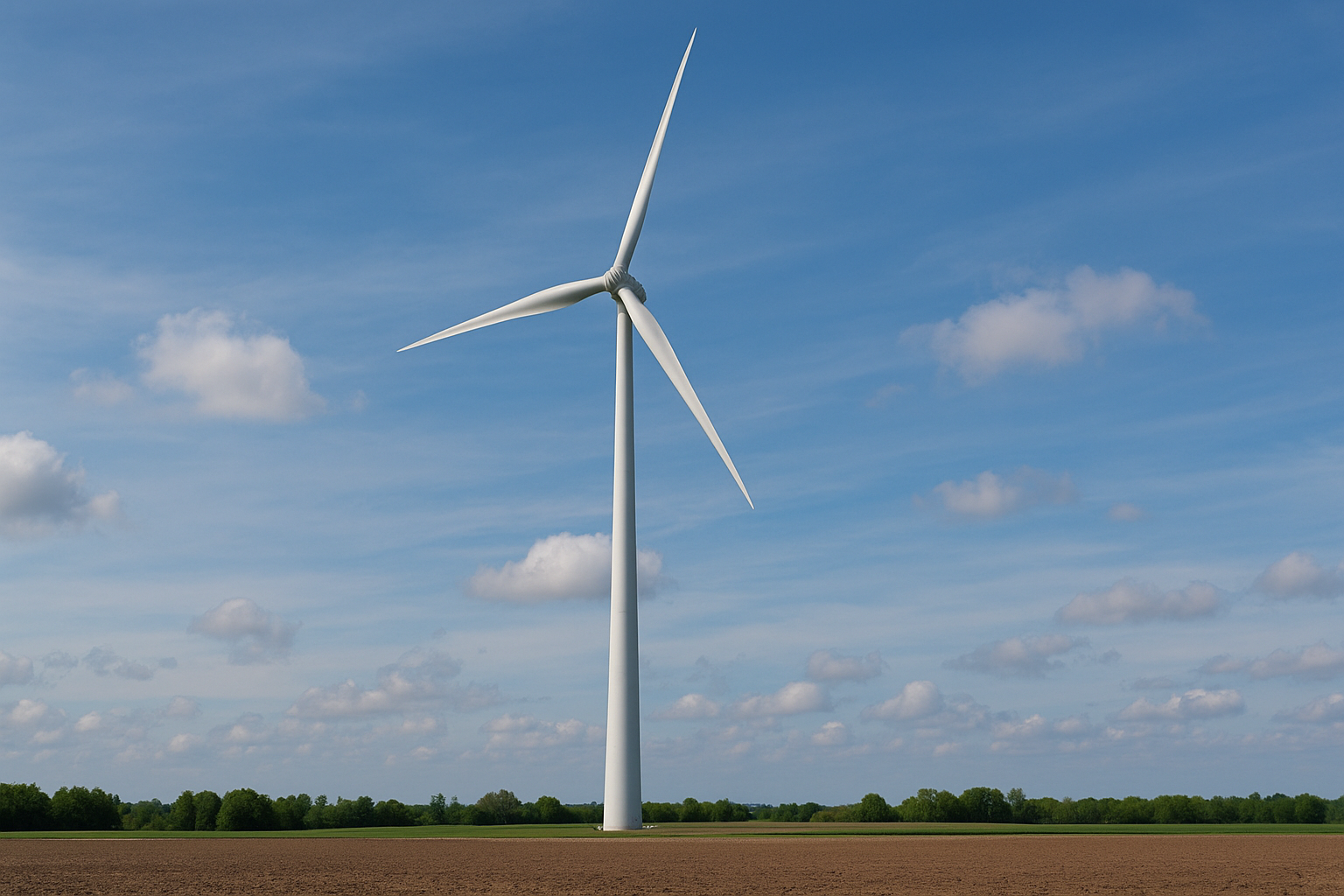
- Prototype turbine in Germany has reached full height at a test site, a milestone in scale-up efforts.
- Described as the world’s tallest by project stakeholders, the installation advances testing of larger rotors and towers.
- Next phase is performance evaluation to assess output, reliability, and logistical implications for deployment.
Prototype at German test site set for performance trials
A prototype described by its developers as the world’s tallest wind turbine has been completed to its full height at a test facility in Germany. The achievement marks a step in a wider industry push to increase turbine scale to capture stronger winds and raise per-unit generation.
Following structural assembly, the machine will enter a phase of operational and safety evaluations under controlled conditions. These trials typically include mechanical testing, blade and gearbox inspections, and measurements of power performance across different wind speeds.
Manufacturers and operators have cited larger turbines as a route to lower levelised cost of energy by producing more electricity from a single unit. Taller towers and longer blades allow access to steadier, higher-altitude winds and can reduce the number of units needed for a given capacity target.
Scaling turbines, however, brings engineering and logistical challenges such as transport of oversized components, foundation design, and on-site assembly complexity. Developers also weigh maintenance strategies and supply chain readiness when moving from prototype to commercial series.
Regulators and grid operators will monitor how larger machines interact with system dynamics, including grid connection requirements and fault-ride-through behaviour. Environmental assessments and local permitting remain important considerations for sites proposed for full deployments.
The industry is watching whether lessons from this German test installation can be replicated at scale and across different markets. If performance and costs meet expectations, taller turbines could influence project planning for both onshore and offshore wind developments.
FAQs
What does it mean when a wind turbine reaches full height?
It means the tower and rotor components have been installed to their designed maximum dimensions, allowing engineers to begin operational and safety testing under realistic conditions.
Why are manufacturers developing taller wind turbines?
Taller turbines can access stronger, more consistent winds at higher altitudes, potentially increasing energy yield per unit and lowering the overall cost of electricity for wind projects.
What are the typical tests after a turbine is built to full height?
Tests commonly include structural inspections, blade and drivetrain performance checks, power curve verification, and safety systems validation to ensure reliable operation before commercial deployment.
What logistical challenges come with very tall turbines?
Challenges include transporting oversized blades and tower sections, designing foundations that support greater loads, and assembling large components safely at height.
How do taller turbines affect grid integration?
Larger turbines can change power output profiles and fault behaviour, so grid operators assess connection requirements, control systems and how the machines respond to grid disturbances.
Can lessons from a single prototype be applied broadly?
Prototypes provide essential data on performance and construction methods, but broader application requires validation across sites, supply chains and regulatory environments to ensure commercial viability.