
News at Glance
- Microsoft signs a long-term power purchase agreement for a solar project in Washington state.
- Project located in Washington aims to supply renewable electricity into the Pacific Northwest market.
- Deal supports corporate renewable procurement and could help finance new solar capacity while addressing grid decarbonization goals.
Deal Bolsters Corporate Renewable Procurement in the Pacific Northwest
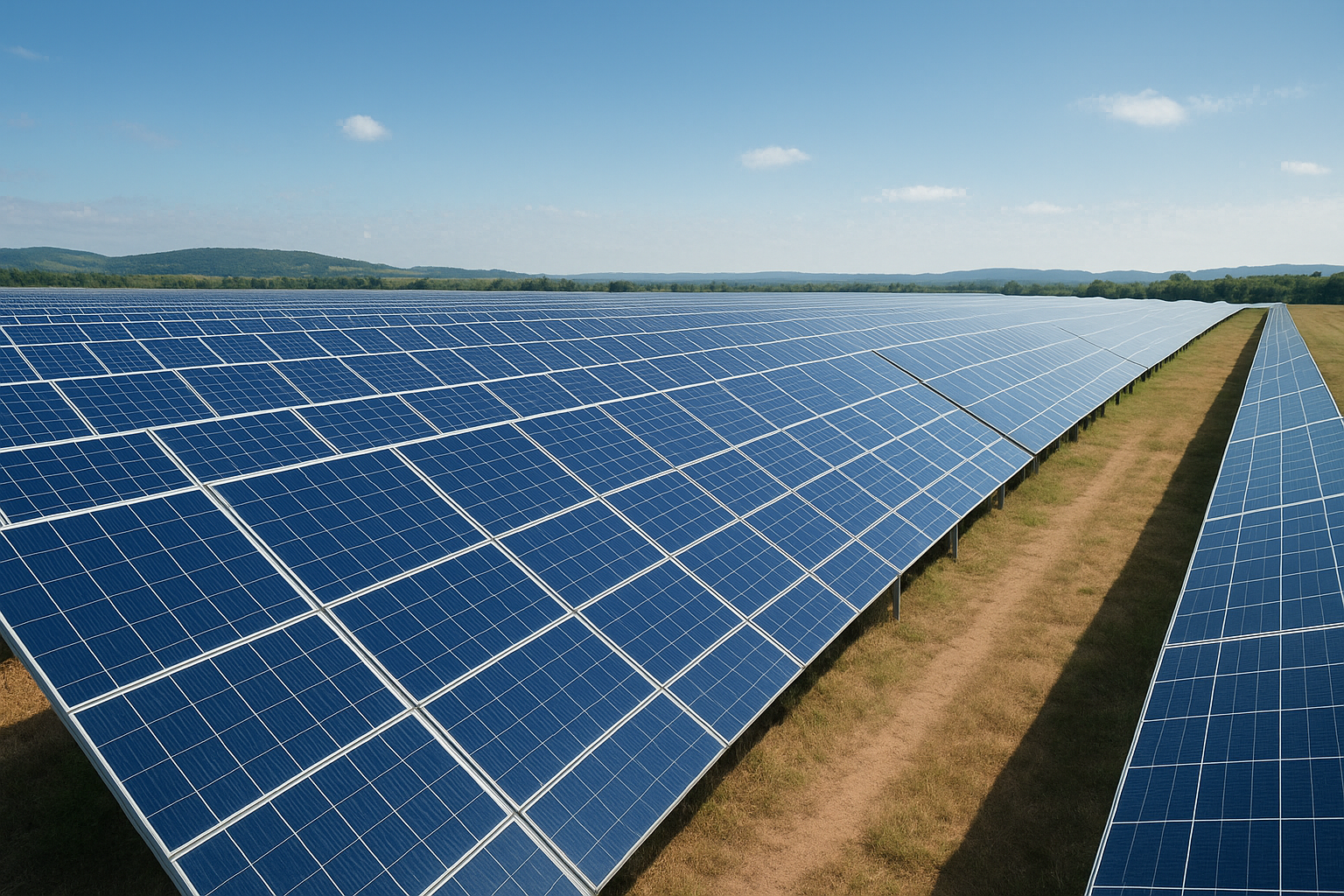
Microsoft has signed a long-term power purchase agreement to procure solar energy from a project in Washington state, according to reporting on the transaction.
The agreement follows a broader trend of large corporate buyers using PPAs to secure clean energy offsite. Such contracts typically provide predictable revenue for developers and allow buyers to claim matching renewable generation for their energy portfolios.
While Washington’s grid is historically dominated by hydropower, new solar projects can diversify the regional supply mix and contribute to seasonal and hourly decarbonization when paired with storage or flexible resources. Integrating additional solar capacity may also highlight needs for transmission upgrades and market coordination.
For Microsoft, the PPA is consistent with corporate strategies to procure long-term renewable energy to manage exposure to wholesale electricity prices and to meet internal sustainability objectives. Developers frequently rely on these offtake agreements to secure financing and move projects from planning to construction.
Specific details about the project’s capacity, contract term and the identity of the developer or offtaker pricing were not disclosed in available reporting. Where such information is not public, analysts note that transparency around location, size and delivery terms helps stakeholders assess grid impacts and the carbon accounting implications of PPAs.
FAQs
What is a long-term power purchase agreement (PPA) in the context of corporate renewable energy procurement?
A long-term PPA is a contract in which an energy buyer agrees to purchase electricity from a specific generation project over an extended period, typically to provide the developer with predictable revenue and to allow the buyer to claim the environmental attributes of the clean energy produced.
How do corporate PPAs help finance new renewable energy projects?
Corporate PPAs provide stable revenue streams that lenders and investors use to underwrite project development, lowering financing costs and enabling construction of utility-scale solar and wind facilities that might not be built otherwise.
Why might a Washington-based solar project be significant for the regional grid?
Adding solar capacity in Washington can diversify a resource mix historically reliant on hydro, support decarbonization during daylight hours, and create needs for storage or transmission upgrades to manage variability and ensure reliability.
What information is important to evaluate the impact of a corporate PPA?
Key details include the project’s capacity, contract duration, delivery point, settlement structure, and whether renewable attributes are retired by the buyer; these factors determine climate accounting and grid effects.
Can companies claim renewable energy use when they buy power through an offsite PPA?
Yes. Companies typically retire renewable energy certificates or equivalent attributes tied to the PPA to claim that the purchased electricity supports their renewable energy targets, subject to applicable accounting rules.
What are common challenges when integrating new solar projects into existing grids?
Challenges include managing variability and peak demand alignment, securing transmission capacity, coordinating interconnection, and ensuring sufficient storage or flexible resources to maintain reliability as solar penetration increases.