News at Glance
- $12 billion saved in fuel imports after rapid rooftop solar adoption in Pakistan.
- Household and commercial installations reduced demand for fossil-fuel-based generation.
- Energy costs and import bills were eased as consumers shifted toward distributed solar systems.
Household and commercial panels curtailed thermal generation demand
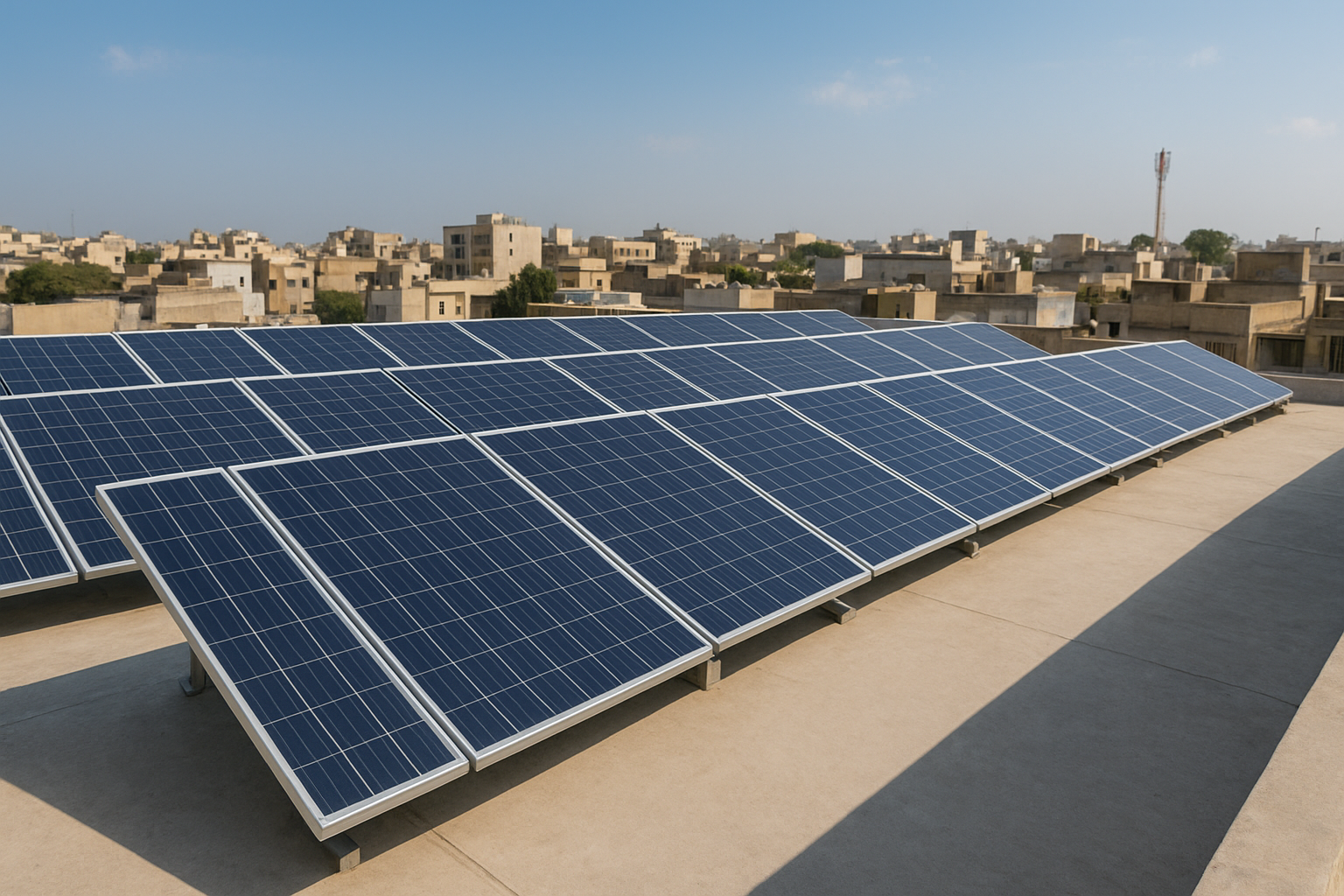
Pakistan has seen a surge in rooftop solar installations as consumers responded to higher electricity costs and concerns over supply reliability. The shift toward distributed generation reduced the need for some costly thermal generation sources.
Reports indicate the wider uptake of rooftop systems has translated into roughly $12 billion in avoided fuel imports, a material relief for the country’s external accounts. These savings stem from lower use of fuel-fired power plants when solar output supplies household and commercial load.
Rooftop solar installations typically supply power during daytime peak hours, directly displacing generation from oil and gas units that are expensive to operate. For utilities, that can lower short-term fuel procurement and reduce pressure on reserves of imported fuels.
Beyond immediate import savings, rooftop solar can improve local energy resilience by diversifying generation sources and lowering exposure to international fuel price volatility. However, the full system benefits depend on integration with grids, storage, and demand-management measures.
Policy, financing and market signals influence how quickly rooftop solar expands. Where net-metering or feed-in arrangements exist, households and businesses can capture more value from their systems, which encourages uptake without placing undue strain on utility finances.
FAQs
How does rooftop solar reduce a country’s fuel import bill?
Rooftop solar supplies electricity locally during daylight hours, displacing generation from fuel-fired power plants and lowering the volume of imported oil, diesel or gas needed to meet demand.
Can rooftop solar keep homes powered during grid outages?
Rooftop systems without batteries typically shut down during outages for safety. Paired battery storage or hybrid inverters are required for continued off-grid operation during blackouts.
What factors determine how much a household saves with rooftop solar?
Savings depend on system size, local solar resources, electricity tariffs, financing costs and whether the home can export surplus power to the grid under local rules.
Does rooftop solar require much maintenance?
Maintenance is generally limited to occasional cleaning and periodic inspections. Inverters may need replacement after several years, while panels often carry multi-decade warranties.
How does rooftop solar affect grid operations?
High rooftop penetration can change load patterns and require grid upgrades, better forecasting and storage to manage midday generation and shifts in evening demand.
Are rooftop solar panels recyclable?
Solar panels contain recyclable materials like glass and metals, and recycling options are expanding, though end-of-life infrastructure varies by region and policy support.