
News at Glance
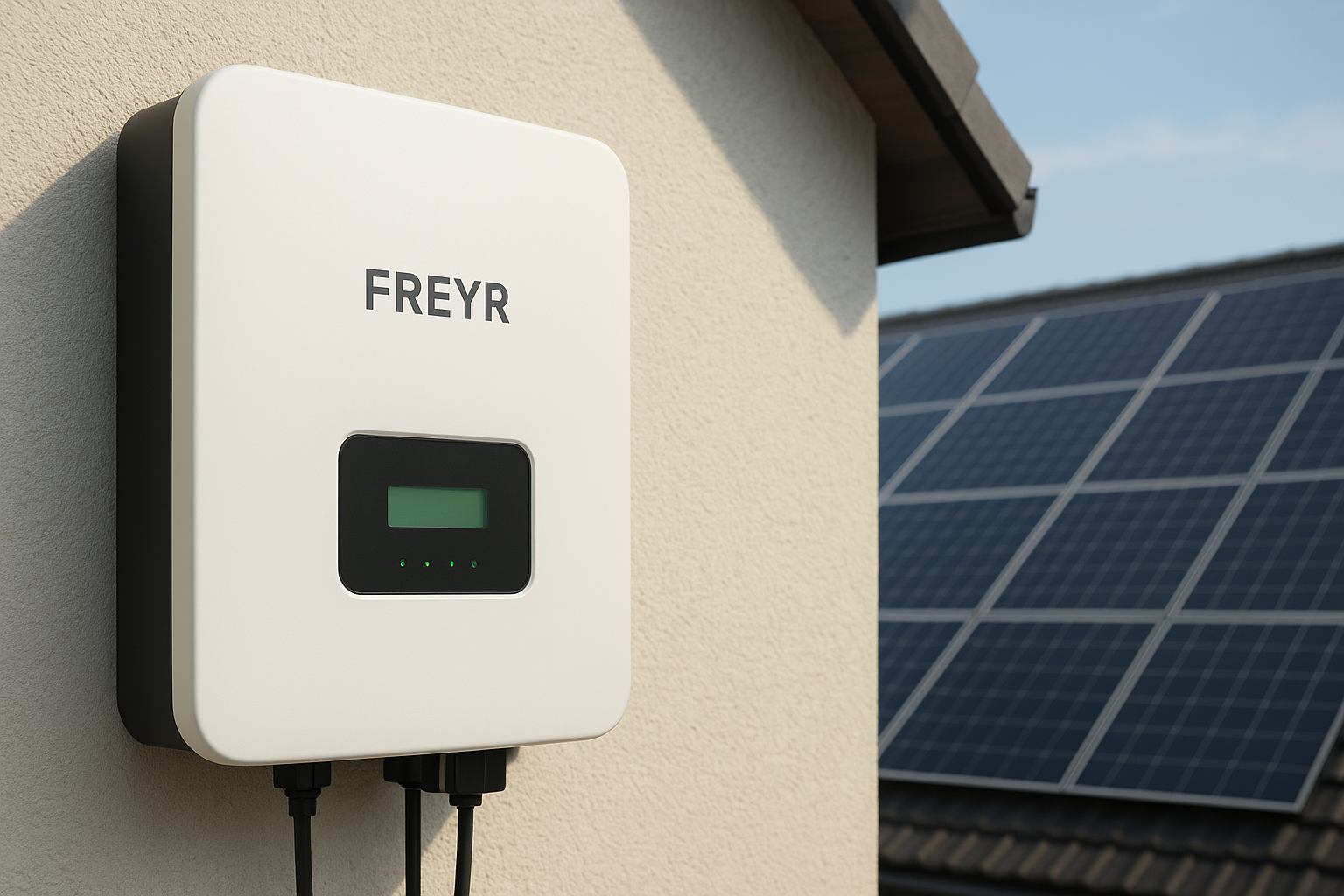
- Freyr Energy has launched rooftop solar inverters that incorporate silicon carbide (SiC) power devices.
- SiC-based design aims to improve inverter efficiency, increase power density and enhance thermal performance for residential systems.
- Targeted at rooftop customers, the move reflects growing adoption of wide-bandgap semiconductors in distributed solar power electronics.
SiC adoption expected to raise inverter efficiency and shrink form factor
Freyr Energy has introduced inverters that use silicon carbide (SiC) power technology for residential rooftop solar systems. The company positions the new devices as a response to growing demand for higher-performance, compact inverters in distributed generation.
SiC components are a class of wide-bandgap semiconductors known for lower switching and conduction losses compared with silicon. In practical terms, that can translate into higher conversion efficiency, reduced heat generation and smaller passive components within inverter designs.
For homeowners and installers, SiC-based inverters can mean more energy yield per kilowatt of installed PV and simpler thermal management in confined rooftop installations. The higher switching frequency of SiC devices also allows designers to reduce transformer and filter sizes, improving power density.
Industry adoption of SiC in power electronics has accelerated in recent years as manufacturing costs decline and suppliers scale production. While SiC parts can carry a premium versus traditional silicon, system-level benefits often include lower balance-of-system losses and potentially smaller overall footprint.
Freyr Energy’s announcement aligns with a wider trend among inverter manufacturers integrating wide-bandgap semiconductors into residential and commercial products. The company’s offering is aimed at installers and rooftop customers seeking improved performance without changing PV array designs.
Detailed specifications, warranty terms and pricing for Freyr’s SiC inverters were not provided in the announcement. Prospective buyers should consult product datasheets and independent performance tests when evaluating new inverter technologies.
FAQs
What is SiC technology?
Silicon carbide (SiC) is a wide-bandgap semiconductor material used in power devices. It enables higher switching speeds, higher temperature operation and lower losses than conventional silicon components.
Why does SiC matter for rooftop solar inverters?
SiC can improve inverter efficiency and power density, reduce heat dissipation and allow smaller magnetic and filter components, which is beneficial in space-constrained rooftop installations.
Will SiC inverters increase energy yield?
Higher conversion efficiency can reduce system losses and improve energy harvest, but actual yield depends on system design, shading, orientation and site conditions.
Are SiC inverters more expensive?
SiC components often have a higher unit cost than silicon, but system-level benefits such as smaller size and lower losses can offset the price difference over time.
Do SiC inverters require different installation practices?
Installation procedures are broadly similar to conventional inverters, though installers should follow manufacturer guidance on ventilation, mounting and electrical connections to optimise reliability.
How can buyers evaluate new SiC inverter products?
Buyers should review manufacturer datasheets, efficiency curves, temperature ratings and independent test results, and consult installers about compatibility with existing PV arrays and monitoring systems.