How Can AI-Powered Solar Cleaning Robots Improve the Performance of Solar Power Plants?
By Tejas Memane, CMO
-2.png&w=3840&q=75)
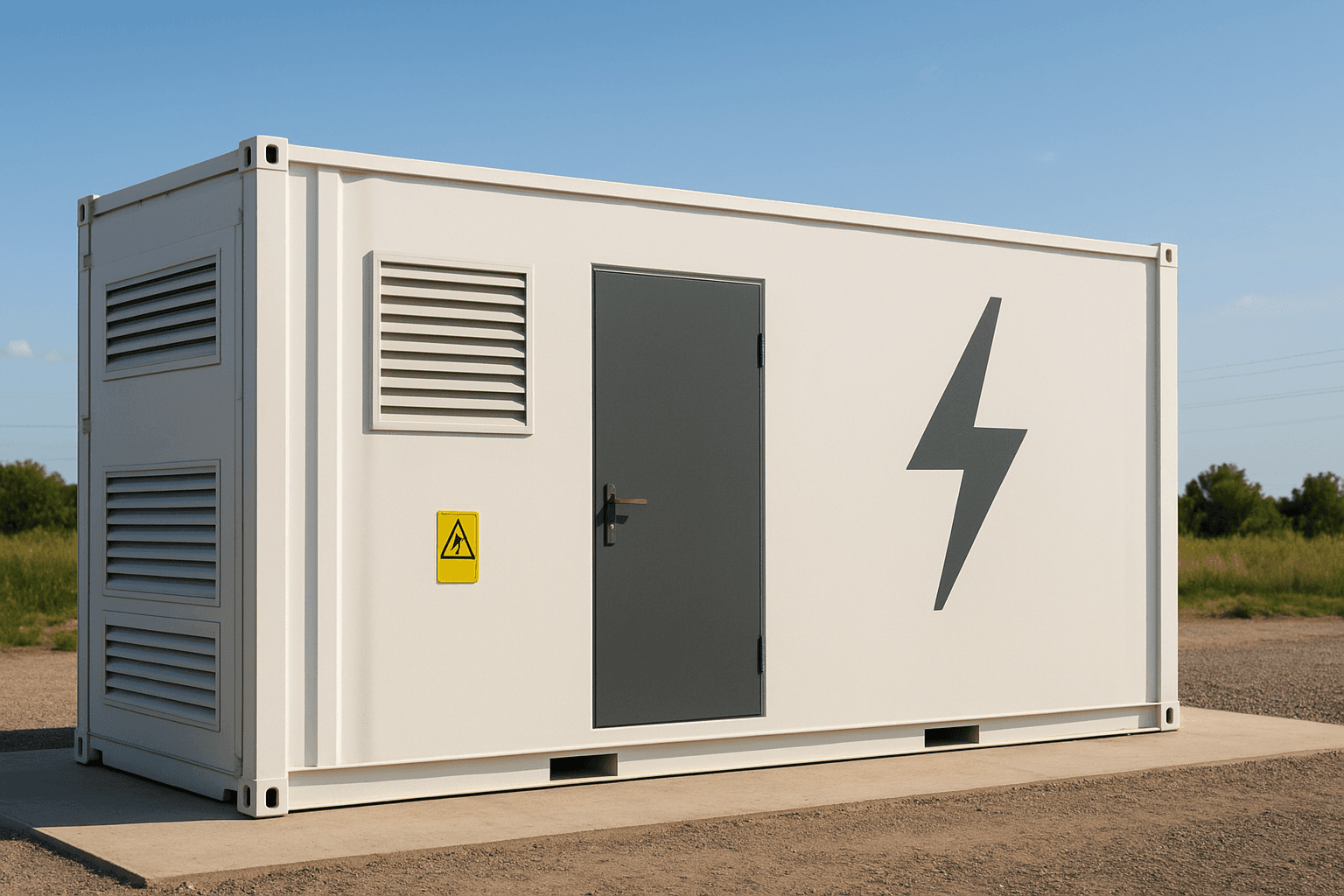
Homeowners and small businesses with battery systems increasingly have pathways to earn money by exporting electricity to the grid. Intelligent control software uses forecasts and price signals to decide when to charge, discharge or stay idle.
That combination of hardware and software lets modest systems perform actions once reserved for large generators, such as shifting energy away from peak prices or offering frequency and capacity services. When networks and markets permit, aggregators bundle many sites to meet minimum bidding thresholds.
Revenue streams vary by market and policy. Some owners participate in wholesale arbitrage, buying grid power or using stored solar when rates are low and selling when prices rise. Others join demand-response programs or virtual power plants that are paid for availability and performance.
Technical and regulatory hurdles remain. Interconnection rules, export tariffs, metering requirements and local utility policies can limit who can participate or how much revenue is available. In many regions, clear rules and streamlined enrolment are still evolving.
Adoption also hinges on economics and user preferences. Battery owners weigh potential income against upfront costs, battery degradation and the value of on-site resilience. AI aims to improve returns by optimizing dispatch while preserving battery life.
As market design adapts, more small-scale assets may become routine parts of system operations. Widespread participation could reduce the need for some grid-scale investments, but outcomes will depend on policy choices, market rules and technology performance.
Homeowners can sell electricity by exporting stored energy when market rules allow; common pathways include net metering, time-of-use arbitrage, joining aggregator programs or participating in demand-response markets, subject to interconnection and metering requirements.
AI analyses price forecasts, weather, household consumption patterns and grid signals to schedule charging and discharging for higher returns or to meet program obligations while managing battery health.
Batteries do not have to be paired with solar; they can charge from the grid at low prices and discharge later. Pairing with solar can increase self-consumption and reduce grid imports, but both configurations can participate in export programs where allowed.
Payments depend on market design: owners may receive price-based revenue from wholesale or time-of-use rates, fixed payments for availability in demand-response schemes, or shared revenues through aggregators; amounts vary by region and program.
Yes. Barriers include interconnection limits, bid size minimums, export tariffs, complex enrollment processes and metering requirements. Regulatory reforms and aggregator services are reducing some obstacles in many markets.
A virtual power plant aggregates many distributed resources, including home batteries, to offer capacity and ancillary services to grid operators. Aggregation lets small systems meet minimum market participation thresholds and be dispatched like a larger generator.
By Tejas Memane, CMO