United States Adds 20 GWh of Solar Energy Storage Capacity, Report Says
-2.png&w=3840&q=75)
CleanTech Journal Desk
September 3, 2026•7 min read
News at Glance
- 20 GWh added of solar-linked energy storage capacity in the United States, the report says.
- Growth driven by installations pairing batteries with solar to firm output and shift generation to peak hours.
- Grid flexibility and declining battery costs cited as key enablers for further deployment.
Co-located Solar-Battery Projects Seen as Key to Recent Capacity Gain
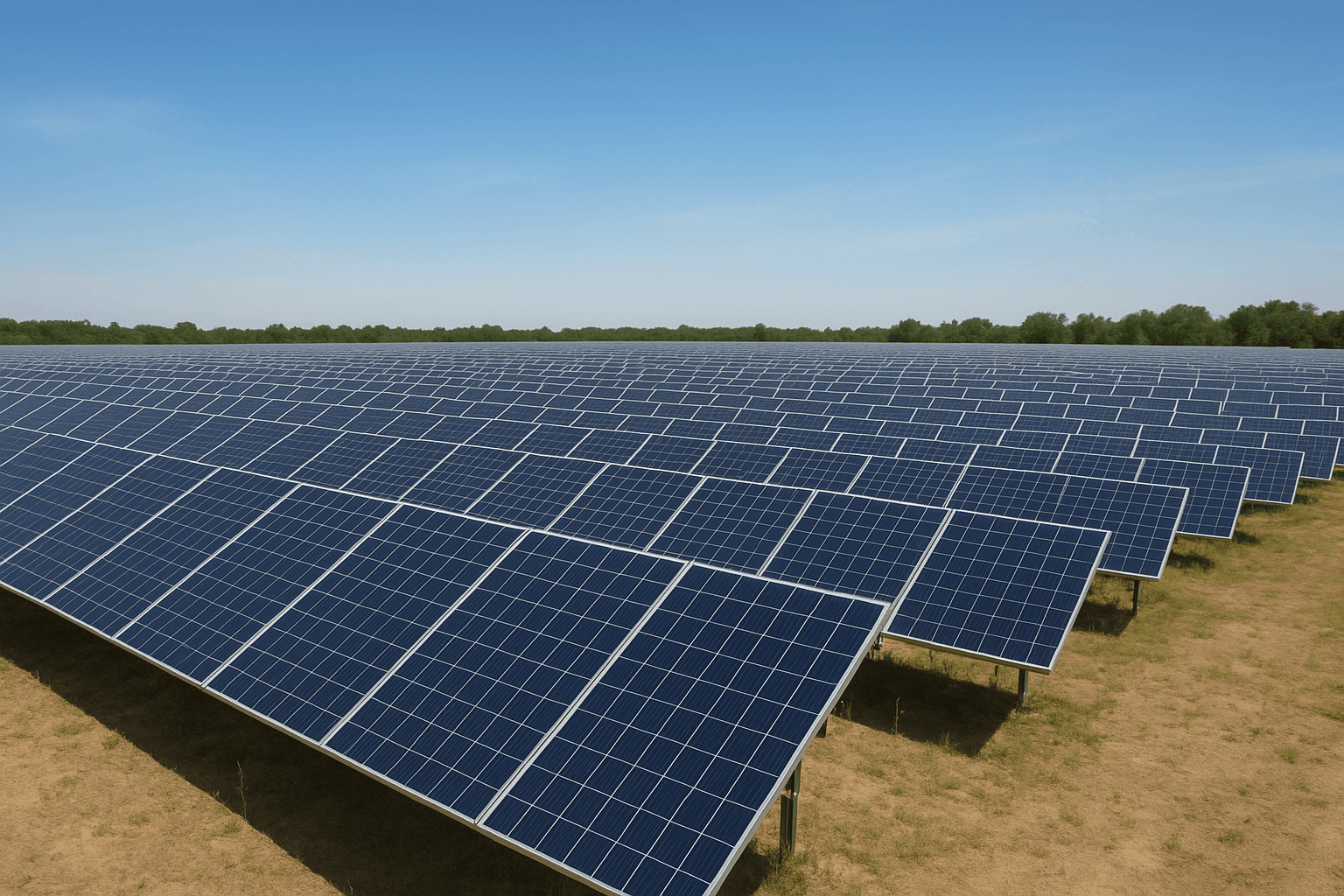
The United States increased its solar-linked energy storage capacity by 20 gigawatt-hours, according to a recent industry report. The increase reflects expanded deployment of battery systems alongside solar arrays.
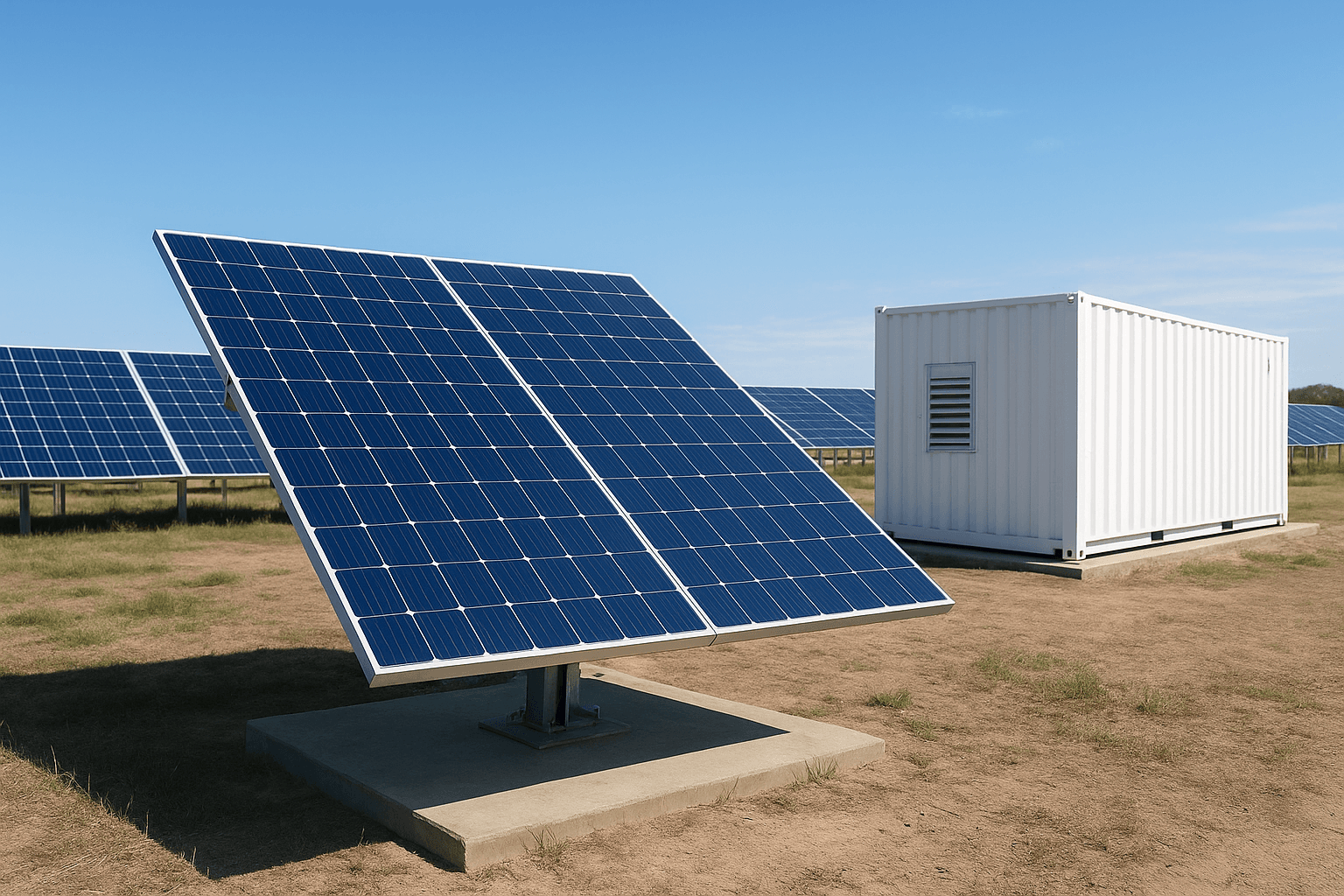
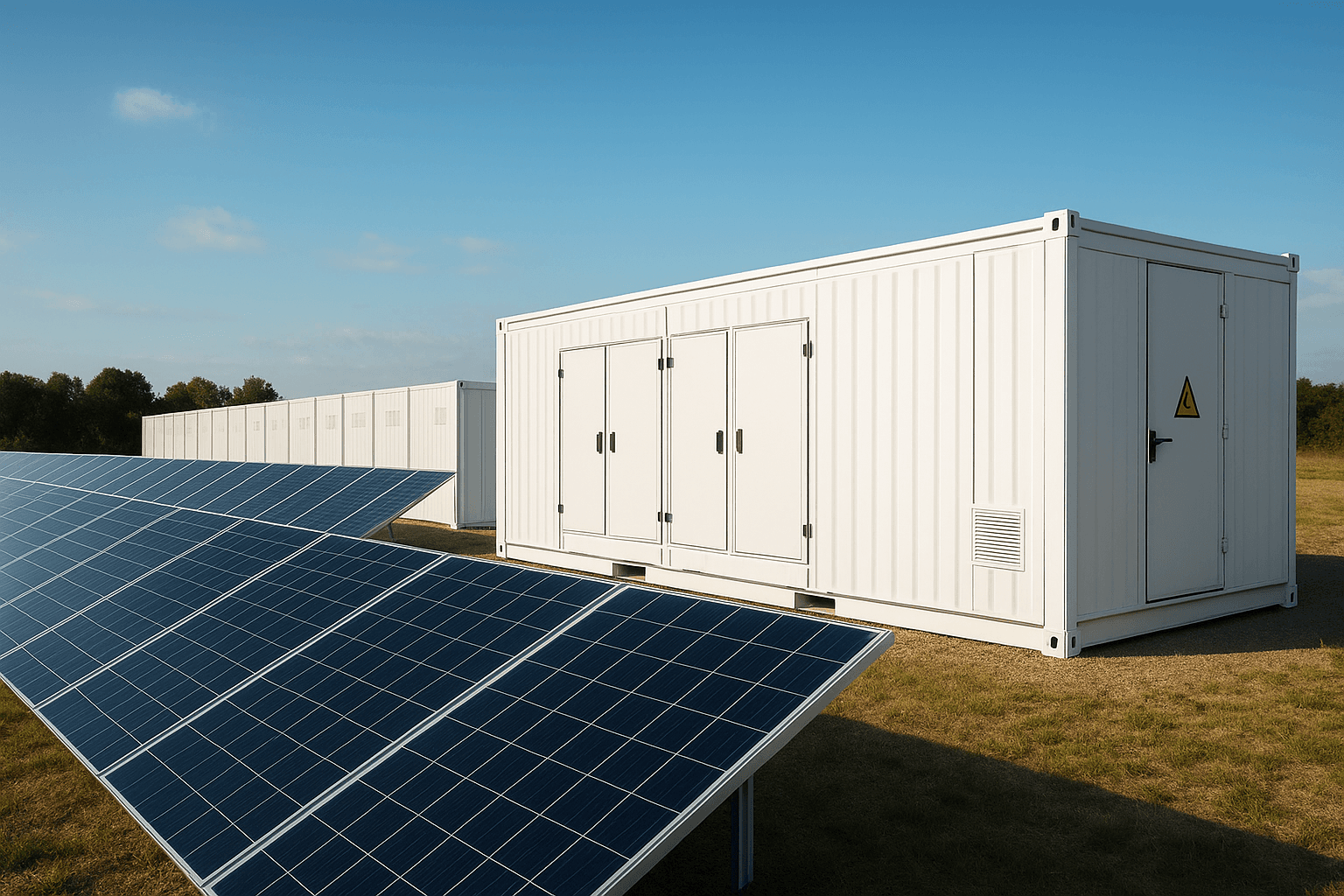
Solar-plus-storage projects allow operators to store midday solar generation and discharge it during evening peaks, improving reliability without adding conventional generation. These systems also help reduce curtailment when solar output exceeds immediate demand or transmission limits.
Most new capacity reported is based on electrochemical battery technologies commonly used for short- and medium-duration storage. Falling component costs, streamlined permitting and growing developer experience are cited as factors supporting installation growth.
Utilities, independent power producers and commercial customers are increasingly adopting paired systems to manage grid variability and price volatility. Storage can provide multiple services, including energy shifting, capacity and frequency response, which improves project economics.
Regulatory and market reforms in several states have opened pathways for solar-plus-storage to participate in capacity and ancillary service markets. Project developers are responding to these signals with a mix of utility-scale and behind-the-meter deployments.
While the 20 GWh addition marks a clear step forward, observers say integration challenges remain, including interconnection delays and the need for coordinated planning. Continued cost declines and clearer market structures will be important for sustaining growth.
FAQs
What does adding 20 GWh of solar energy storage capacity mean?
It means the total energy storage available from systems paired with solar increased by 20 gigawatt-hours, representing how much energy can be stored and later supplied to the grid.
How do solar-plus-storage systems help the electric grid?
They store excess solar generation and dispatch it when needed, smoothing supply, reducing curtailment, supporting peak demand periods and providing grid services like frequency regulation.
What technologies are typically used for solar energy storage?
Electrochemical batteries, especially lithium-ion systems, are the most common for solar pairing; other technologies include flow batteries and thermal storage depending on project needs.
Can solar energy storage reduce electricity bills for customers?
Yes. By shifting energy to higher-value periods and reducing peak demand charges, storage can lower costs for commercial and residential customers, depending on tariffs and system design.
Are solar-plus-storage projects large or small?
They range from small behind-the-meter systems at individual sites to large utility-scale installations that store many megawatt-hours to serve broader grid needs.
What are common barriers to faster deployment of solar-linked storage?
Key barriers include interconnection and permitting delays, upfront capital costs, and the need for clearer market rules to compensate storage for multiple value streams.