Renewables Cut Spain's 2024 Gas Import Needs For Power By Nearly 40%, Saving USD 26 Billion
The IEA says Spain’s renewable buildout cut 2024 gas imports for power generation by nearly 40%, avoiding USD 26 billion in additional imports while lifting renewables to 56% of power generation.

CTJ Desk
Published •9 min read
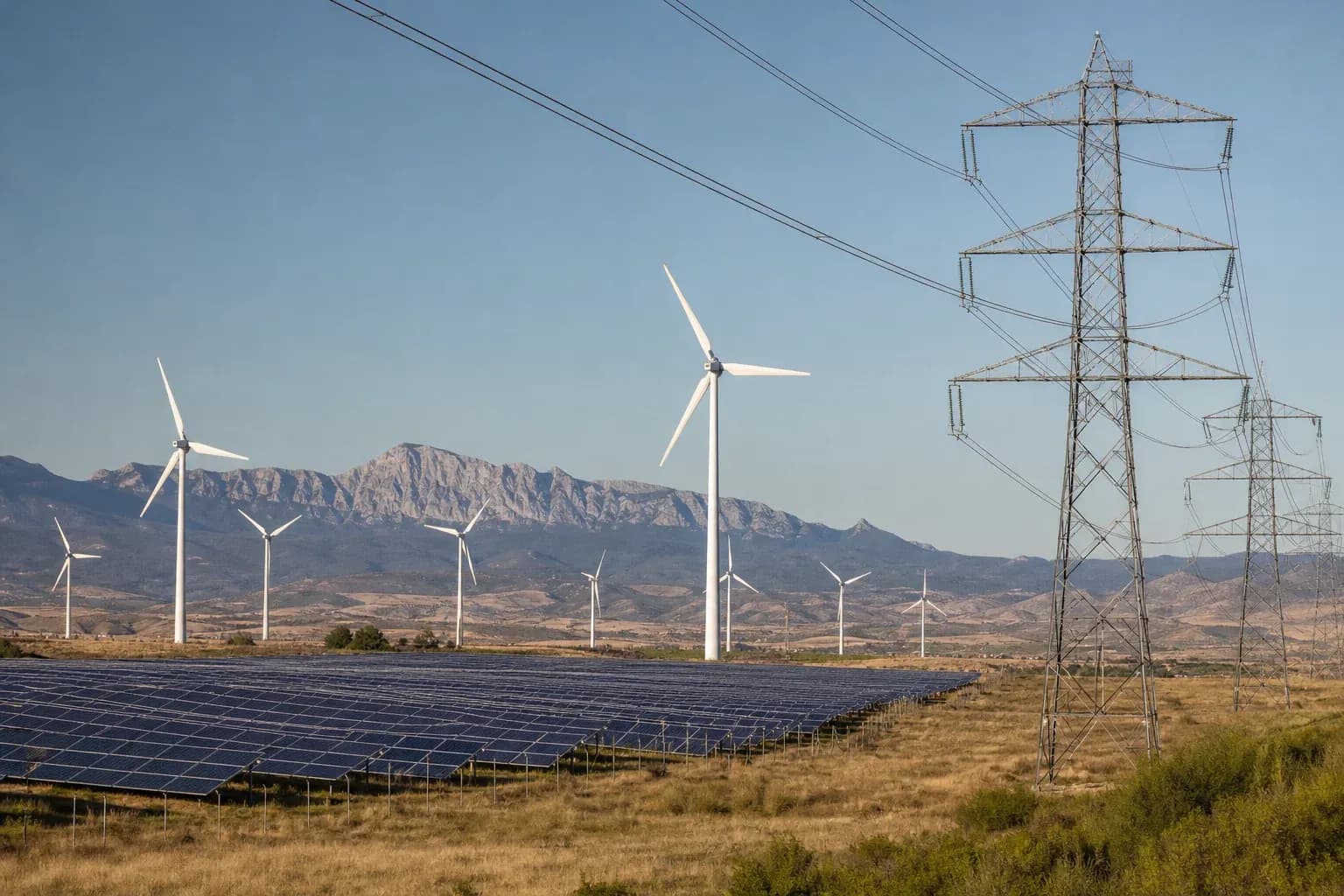
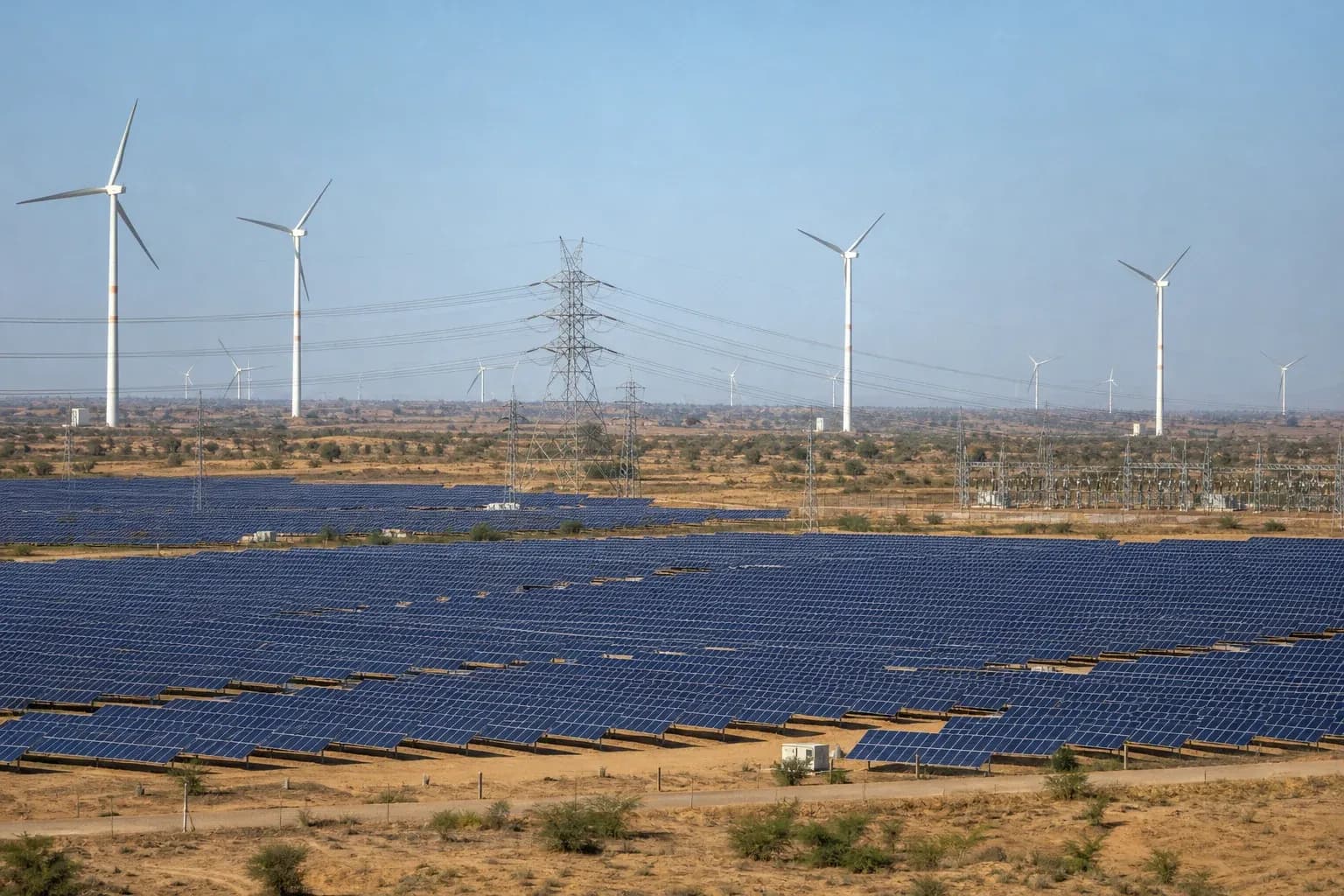
Spain’s expansion of renewable electricity meant its natural gas imports for power generation were nearly 40% lower in 2024 than they would have been without that capacity growth, equivalent to USD 26 billion in avoided import costs, according to the International Energy Agency. The agency said the same buildout has also helped lower wholesale electricity prices, while raising renewables’ share of Spain’s power generation from 35% in 2015 to 56% in 2025.
The finding sits alongside a broader message from the International Energy Agency’s review of Spain’s energy policy: renewable power is already reducing fuel import exposure, but a larger shift to electricity in transport, buildings and industry is needed to extend those gains beyond the power sector.
Renewable Expansion Reduced Spain's 2024 Gas Imports For Power By Nearly 40%
The International Energy Agency said Spain’s growing share of renewable electricity is already reducing the country’s reliance on imported fuels. Its central market figure is for gas used in power generation: without the large increase in renewable capacity, Spain’s natural gas imports for electricity generation would have been nearly 40% higher in 2024.
The agency quantified that difference at USD 26 billion. In effect, the additional renewable generation displaced part of the gas that would otherwise have been needed by the power system.
The International Energy Agency also said Spain’s higher renewable output is contributing to lower wholesale electricity prices. At the same time, it noted that imported energy still accounted for almost 70% of Spain’s total energy consumption in 2024, showing that the reduction in fuel exposure achieved in electricity has not yet been matched across the wider economy.
That distinction is central to the agency’s assessment. Spain has made progress in electricity supply, but a large share of total energy use remains tied to imported fuels because transport, heating and many industrial processes still rely heavily on fossil energy.
Renewables Rose From 35% To 56% Of Spain's Electricity Generation Between 2015 And 2025
According to the International Energy Agency, renewables’ share of Spain’s electricity generation increased from 35% in 2015 to 56% in 2025. Over the same period, emissions fell by around one-fifth.
The agency attributed those results to Spain’s energy and climate policy framework and to its approach to a just transition. It said that approach connects clean energy investment with jobs, regional development and social inclusion.
The International Energy Agency also pointed to the composition and operation of the power system as the next area of focus. It said continued progress on infrastructure and system management, together with a more balanced mix of wind, solar and hybrid technologies, can support the integration of larger volumes of renewable generation while strengthening electricity security and resilience.
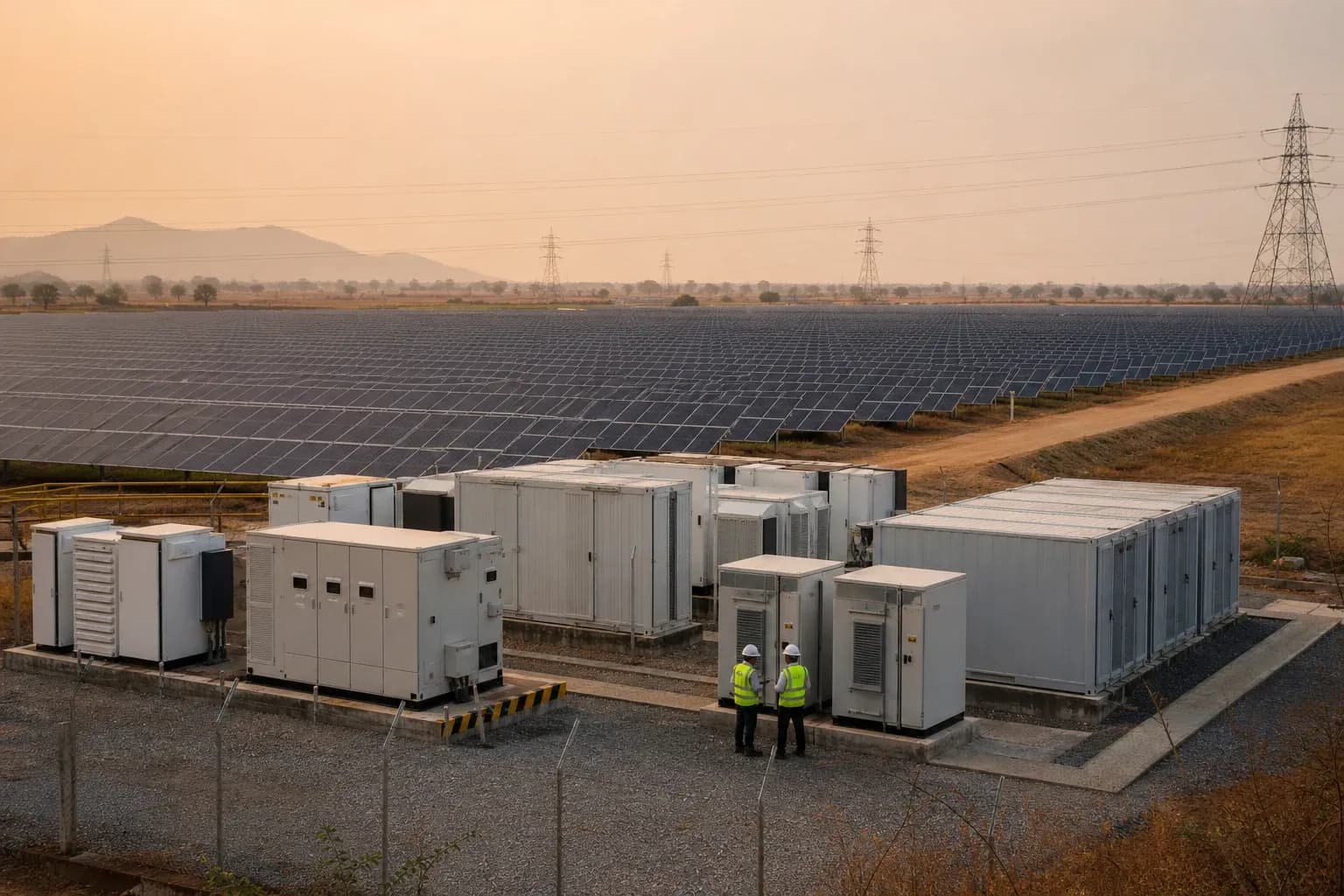
Spain has already launched reforms aimed at speeding up storage deployment, expanding demand-side flexibility and adjusting grid rules to a changing generation mix. Those measures are intended to help the system operate with a larger share of variable renewable output.
Storage can shift electricity across hours, demand-side flexibility can move consumption to times when supply is more abundant, and updated grid rules can adapt dispatch and connection arrangements to a system where renewable generation plays a larger role than in the past.
Electricity Accounts For 25% Of Final Energy Use, Versus Spain's 35% Target By 2030
The International Energy Agency said the next stage is to raise electrification across end uses. Electricity currently represents 25% of Spain’s final energy consumption, compared with the country’s target of 35% by 2030.
That gap matters because renewable power can cut fuel imports directly only where electricity replaces fossil fuels. If transport, building heat and industrial energy use remain dependent on oil, gas or other fossil fuels, the savings already achieved in the power sector cannot fully spread through the rest of the economy.
The agency highlighted three areas where electrification is moving more slowly. Electric vehicle uptake remains relatively limited, especially in corporate fleets. Fossil-fuel heating is still widespread. In industry, high upfront investment costs are holding back wider adoption.
Those conditions help explain why Spain can have a power mix with 56% renewables while imported energy still supplies almost 70% of total consumption. The electricity system and the broader energy system are moving at different speeds.
Power Prices, Grid Reforms And Nuclear Planning Shape The Next Phase
The International Energy Agency said Spain’s domestic price structure is also affecting the pace of electrification. A combination of taxes, levies and network charges is keeping end-user electricity prices high, while fossil fuels face comparatively lower charges.
Spain is taking steps in response, including abolishing the tax on electricity production in 2026. The agency said that further rebalancing of domestic energy price dynamics, while protecting vulnerable consumers, could strengthen incentives for households and businesses to electrify. It added that the same shift could help industry make greater use of the competitive advantages of renewable power.
Alongside pricing, the agency emphasized system flexibility and supply security. Its assessment said Spain needs continued progress in grid modernization and optimization, as well as measures that unlock flexibility from storage and responsive demand.
The International Energy Agency also addressed the planned nuclear phase-out. It said that process needs to be managed carefully to maintain security of supply. Following approval to extend the lifetime operation of the Almaraz nuclear power plant, the agency recommended a transparent framework for future case-by-case decisions that takes account of costs and benefits for consumers and for the wider power system.
Taken together, the agency’s findings describe a two-part picture. Spain’s renewable buildout has already lowered gas needs for power generation by nearly 40% in 2024 compared with a scenario without that expansion, avoiding USD 26 billion in additional imports. The next phase, according to the International Energy Agency, is to apply more of that renewable electricity across transport, heating and industry while updating grids, storage and system rules to support a more flexible and resilient energy system.