India's Renewable Capacity Reaches 530 GW By 2030, With Solar Above 350 GW
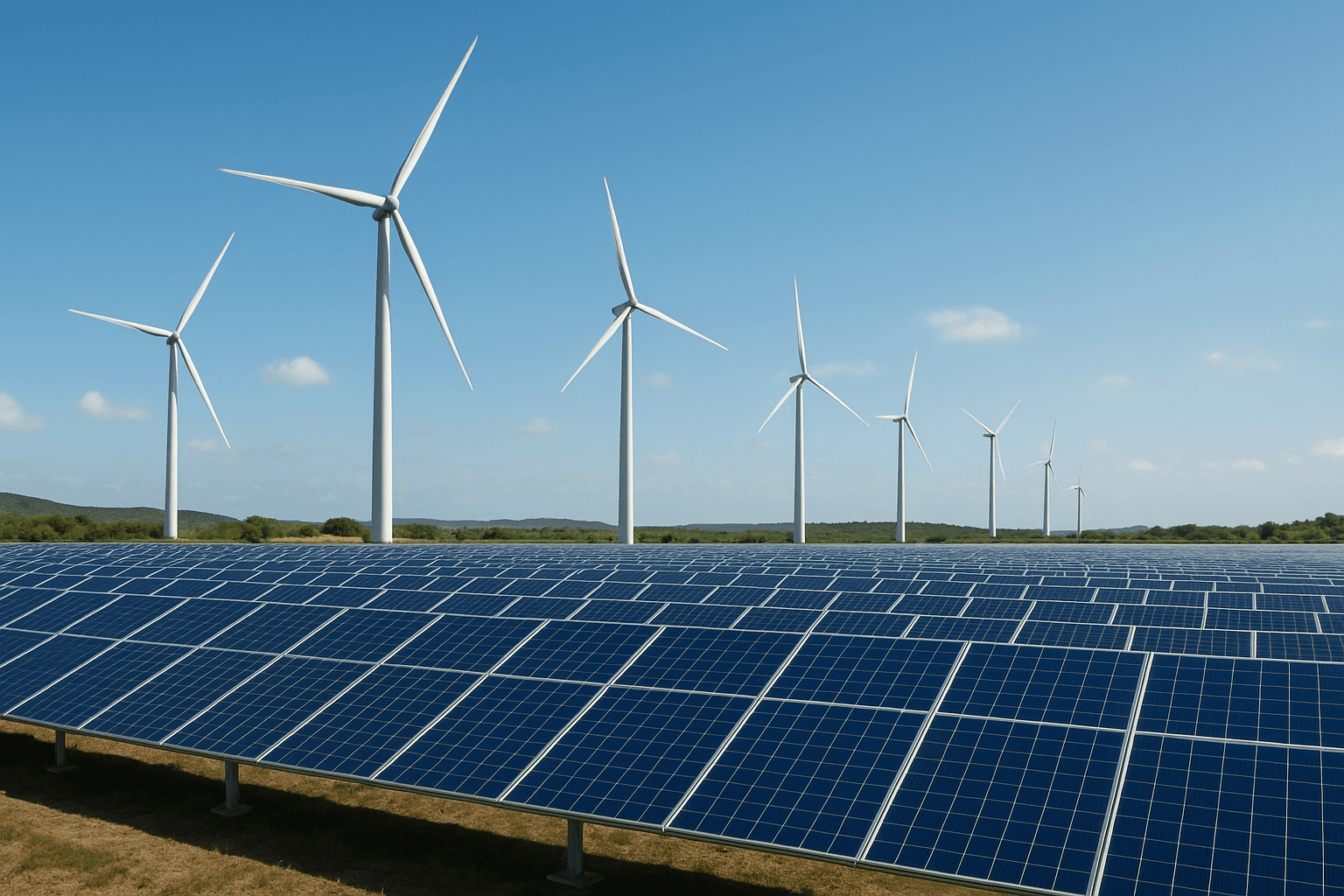
India’s renewable power capacity is set to reach about 530 GW by 2030 in AC terms, according to the International Energy Agency, with solar PV above 350 GW and wind nearing 90 GW.

CTJ Desk
Published •10 min read
India’s renewable power capacity is set to reach around 530 GW by 2030, with solar PV providing more than 80% of the growth and exceeding 350 GW, according to the International Energy Agency. The agency says wind approaches 90 GW and hydropower reaches 75 GW, while total renewable generation rises from 502 TWh in 2025 to about 950 TWh in 2030.
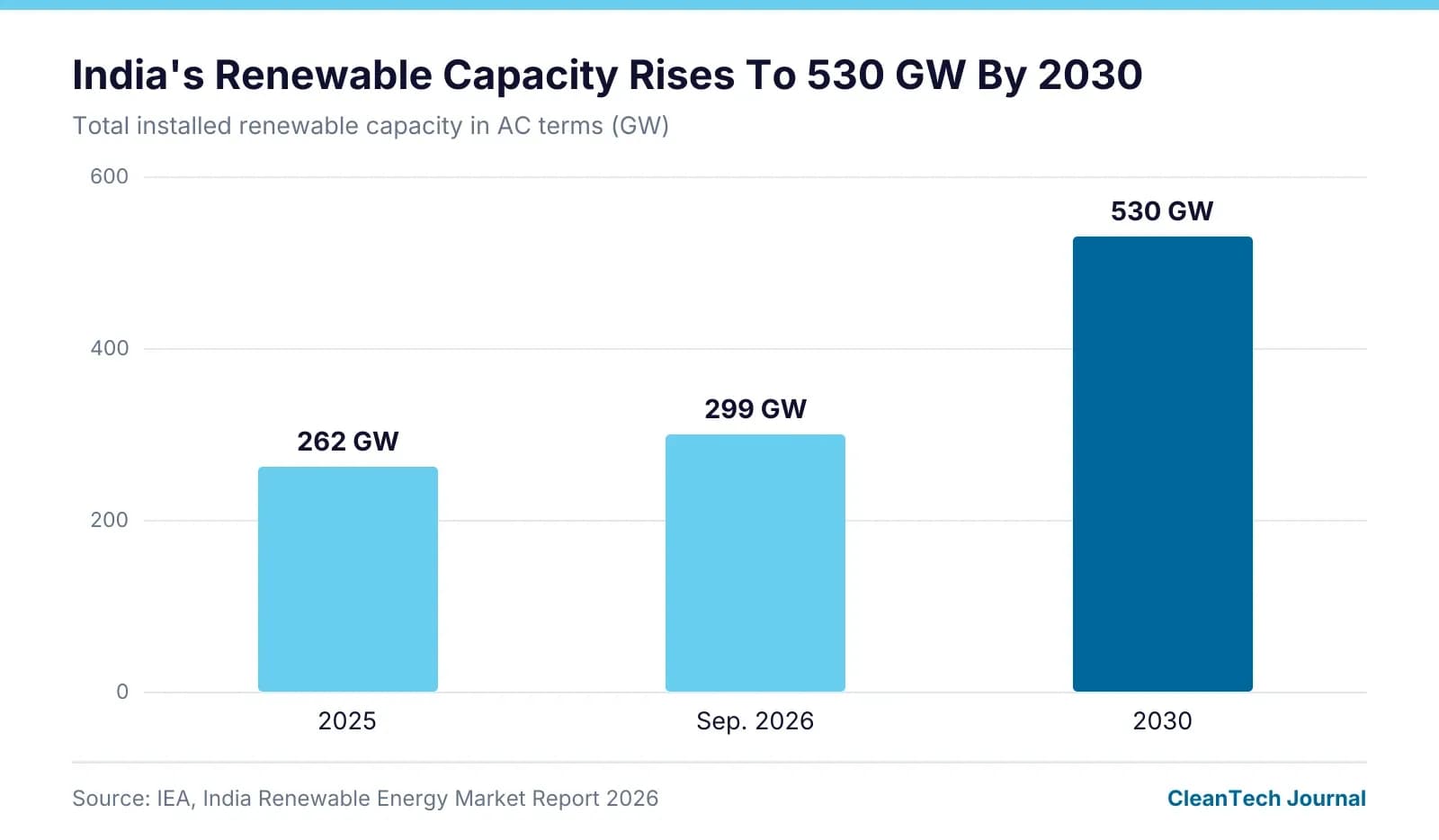
India had already reached 299 GW of renewable capacity in September 2026 and passed 300 GW in the fourth quarter of 2026. In the IEA’s outlook, all capacity figures that include solar PV are expressed in alternating current terms.
Renewable Capacity Moves From 262 GW In 2025 To Around 530 GW In 2030
According to the International Energy Agency, India had 262 GW of installed renewable capacity in 2025, 299 GW in September 2026, and is on track for about 530 GW by 2030. The agency says renewable capacity has almost quadrupled over the past decade and is expected to almost double again by the end of the decade.
That trajectory would place India on time to meet its target of 500 GW of non-fossil electricity capacity by 2030. The country had already achieved its goal of sourcing 50% of installed power capacity from non-fossil technologies in 2025, five years ahead of schedule, according to the International Energy Agency.
The agency also says annual renewable capacity additions reached 49 GW in 2025, more than triple the average of the previous five years. Annual additions are expected to remain above 50 GW through 2030. In the IEA’s accelerated case, renewable capacity could approach 580 GW by 2030.
India’s renewable electricity market is described in the International Energy Agency's India Renewable Energy Market Report 2026, which also projects 621 GW in direct current terms by 2030.
Solar PV Provides More Than 80% Of Growth And Exceeds 350 GW By 2030
Solar PV is the main driver of the build-out. According to the International Energy Agency, solar accounts for more than 80% of renewable capacity growth through 2030, with installed PV capacity rising above 350 GW in AC terms and almost 450 GW in DC terms.
India’s solar PV capacity tripled between 2020 and 2025 to about 140 GW, with annual additions reaching a record 38 GW in 2025. Between January and August 2026, the country installed a further 32 GW. The IEA says utility-scale projects made up around 75% of solar additions over the past five years, although that share is expected to ease to around 70% by 2030 as distributed solar expands faster.
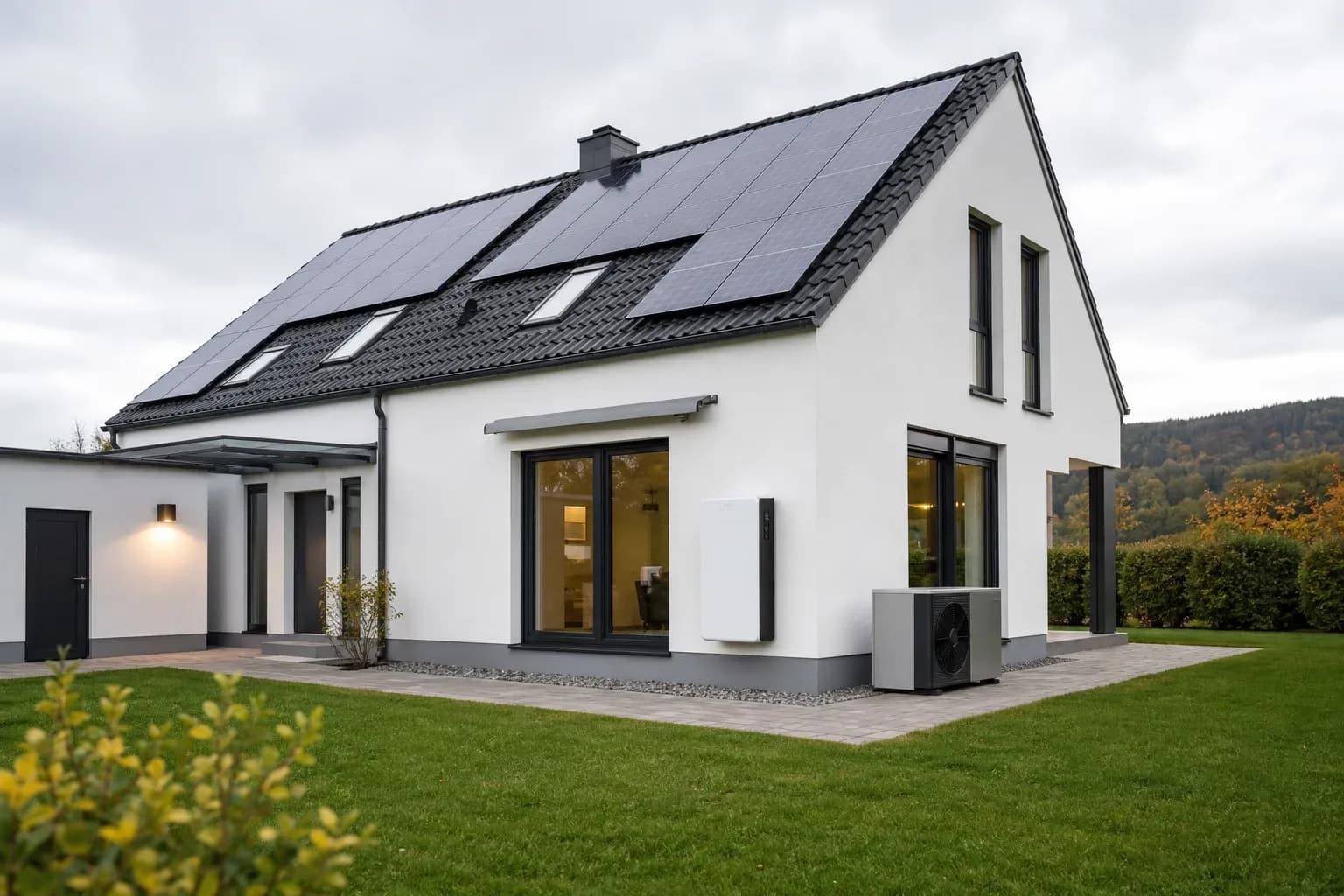
Distributed solar PV for self-consumption is set to triple to more than 100 GW by 2030. The IEA says the PM Surya Ghar Muft Bijli Yojana is accelerating residential rooftop installations, while PM-KUSUM is supporting solarisation of agricultural feeders and irrigation pumps. PM-KUSUM is expected to support about 1.7-2.0 GW of annual installations during the forecast period.
On the utility-scale side, competitive procurement remains central. Since 2010, India has awarded around 220 GW of utility-scale renewable capacity through auctions, including a record 60 GW allocated in 2024, according to the International Energy Agency. The agency says utility-scale solar PV in India has levelised generation costs of USD 30-35/MWh, and tariffs for solar PV projects commissioned in 2025 were around 40% below the average cost of coal-fired electricity.
Wind Approaches 90 GW While Hydropower Reaches 75 GW
Wind power remains the second-largest source of renewable capacity growth in the IEA outlook. Installed wind capacity increased by around 40% between 2020 and 2025 to about 55 GW, and the agency expects it to rise to almost 90 GW by 2030.
A record 6 GW of wind was added in 2025, more than double the average of the previous three years. The IEA says future wind growth is likely to come increasingly from hybrid projects, open-access procurement and corporate power purchase agreements, along with repowering older sites with larger turbines.
Hydropower is also set to expand. Conventional hydropower capacity reached almost 49 GW in 2025, and the International Energy Agency forecasts around 60 GW by 2030 as several projects move toward commissioning. The projects named by the agency include the 1 250 MW Lower Subansiri plant, the 1 000 MW Pakal Dul plant, the 960 MW Polavaram plant and the 850 MW Ratle plant.
Pumped storage is expected to account for the rest of the rise in hydro capacity. The first new pumped storage hydropower facility since 2008 was commissioned in 2025, taking installed capacity to more than 7 GW. Around 16 GW is under construction, with about 7 GW expected to become operational by 2030, doubling installed pumped storage capacity to almost 15 GW. Taken together, the IEA says hydropower reaches 75 GW by 2030 as large plants are commissioned and pumped storage investment accelerates.
Renewable Generation Rises From 502 TWh To About 950 TWh By 2030
The increase in installed capacity is expected to lift renewable electricity generation from 502 TWh in 2025 to about 950 TWh in 2030, according to the International Energy Agency. Renewables supplied one-quarter of India’s electricity in 2025, and their share is forecast to reach 35% by 2030.
Solar PV overtook hydropower as India’s largest source of renewable electricity in 2025. By 2030, the IEA expects solar to provide more than half of all renewable generation. Solar output is projected to triple between 2025 and 2030, while wind generation increases by around 50% and hydropower and bioenergy generation each grow by around 20%.
The share of variable renewables in total electricity supply rises from around 14% in 2025 to approximately 26% in 2030. The International Energy Agency says this increases the need for grid investment, energy storage, improved forecasting and dispatch, stronger demand-side flexibility, and greater flexibility from fossil fuel power plants.
Auctions, Hybrid Procurement, Open Access And Manufacturing Support The Expansion
The IEA says policy support has evolved from stand-alone solar and wind tenders toward hybrid, storage-linked and dispatchable renewable products. In 2025, India auctioned 15 GW of hybrid projects, taking cumulative auctioned hybrid capacity to 64 GW. Average tariffs achieved between 2023 and 2025 were around USD 45/MWh.
Open-access procurement is also adding demand. About 7 GW of solar PV and wind capacity was contracted through open access in 2025, and the International Energy Agency expects corporate power purchase agreements to underpin around 20% of utility-scale solar PV and wind additions by 2030.
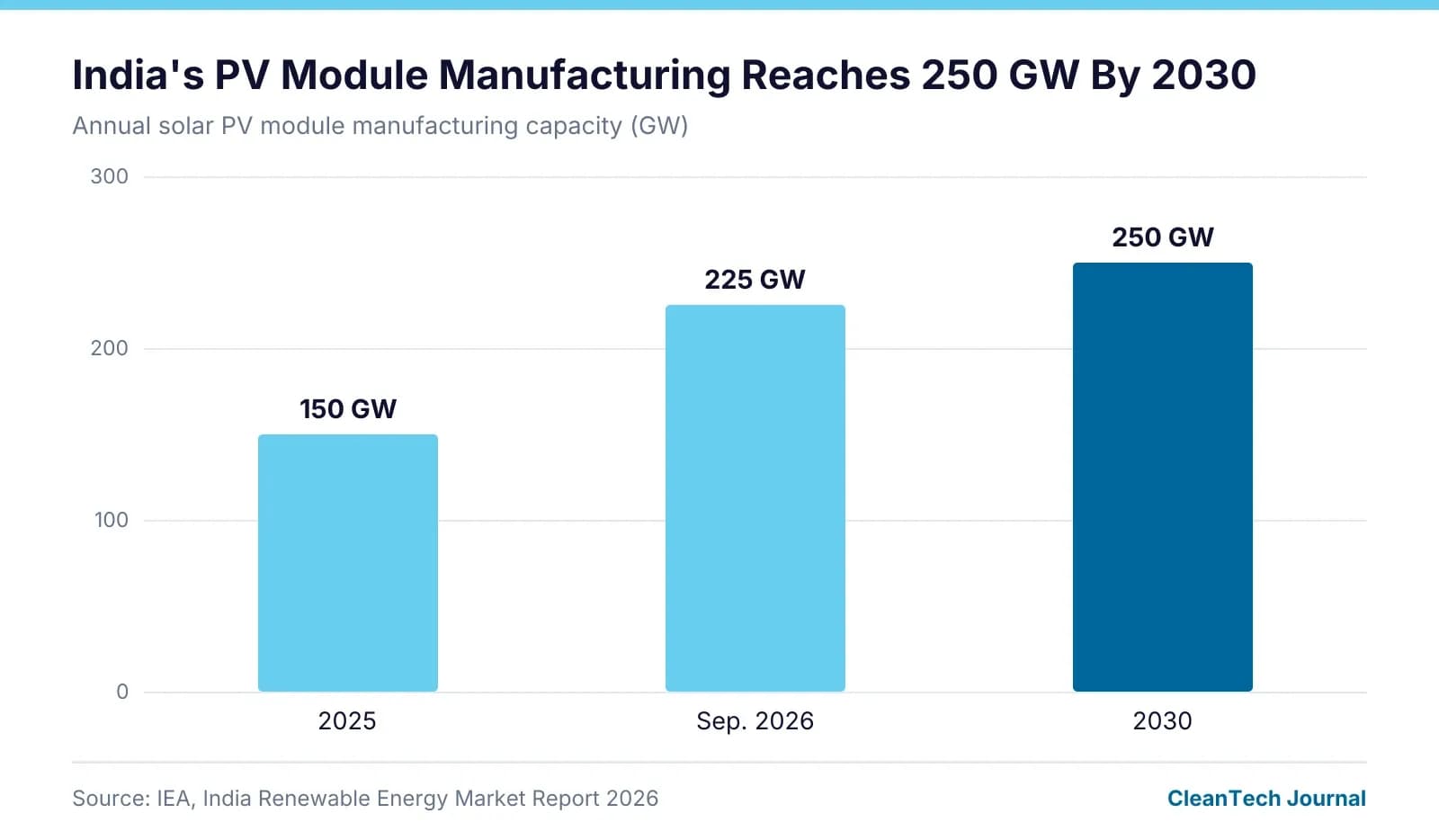
The agency also links deployment growth with domestic manufacturing. India’s annual solar PV module manufacturing capacity reached around 225 GW in September 2026 and is projected to rise to 250 GW by 2030, maintaining its position as the world’s second-largest manufacturer. In wind equipment, annual onshore wind turbine nacelle manufacturing capacity is projected to rise from 20 GW in 2025 to 29 GW in 2030.
Looking ahead, the International Energy Agency says faster transmission expansion, more energy storage, improved system operation and continued market reforms would support the next phase of renewable deployment. In its accelerated case, renewable deployment over 2026-2030 could be more than 20% higher than in the main case.