China Energy Transition Review 2026 Maps Shift As Clean Energy Takes On Fossil Roles
Ember has published supporting materials for its China Energy Transition Review 2026, summarizing a shift toward clean energy taking on functions long handled by fossil fuels.

CTJ Desk
Published •8 min read
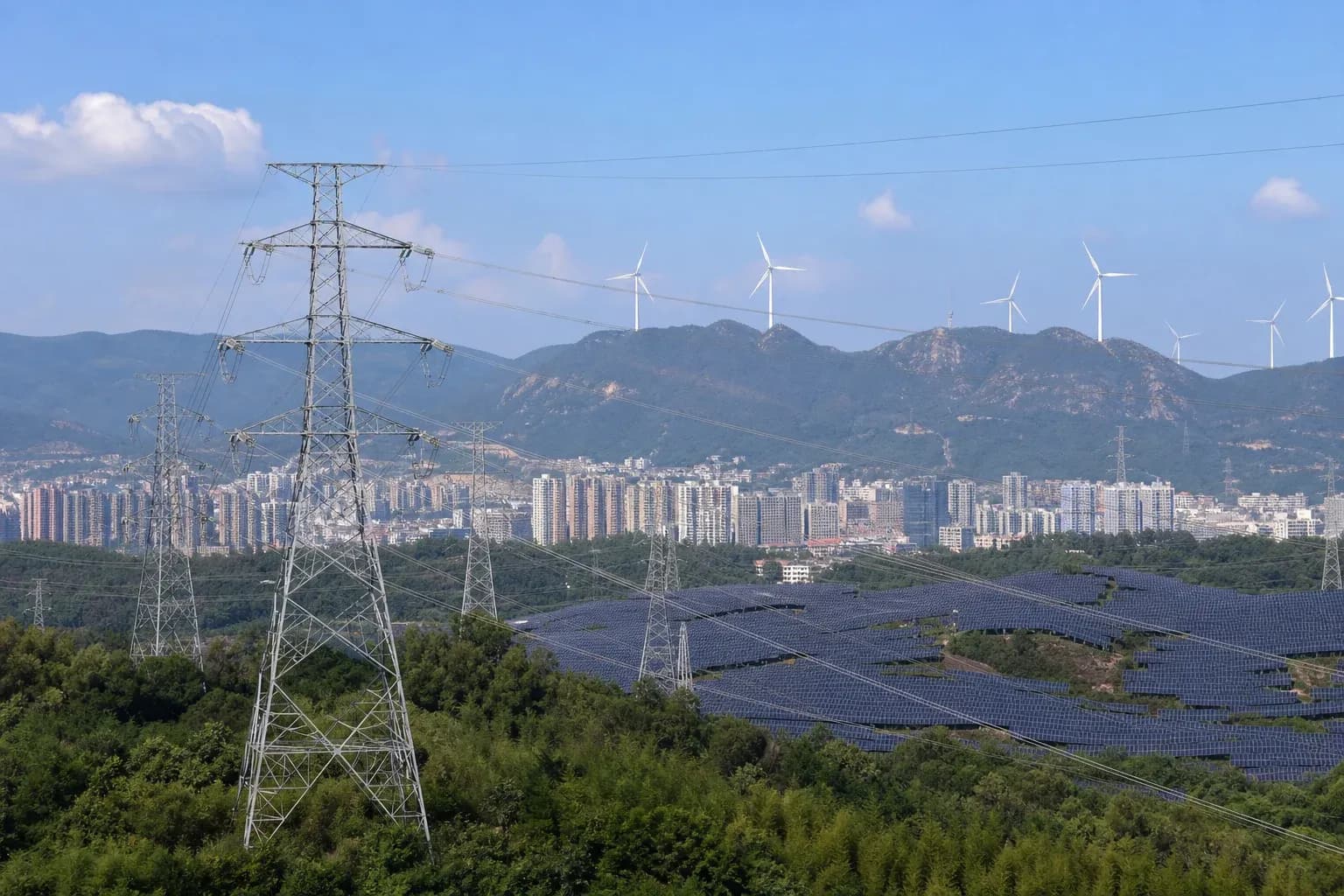
Ember has published supporting materials for its China Energy Transition Review 2026, setting out the report’s summary finding and the methodology behind its data. On the page dated October 29, 2026, Ember says China’s energy transition is moving toward “building while breaking,” as clean energy begins taking on functions that fossil fuels had long performed.
The supporting materials page includes an English-language PDF download and a methodology section describing the data sources, treatment of recent-year gaps and the use of estimates. It also includes acknowledgements and a list of contributors involved in producing the report.
Ember Publishes The China Energy Transition Review 2026 Supporting Materials
The materials were published on Ember’s website in a page titled China Energy Transition Review 2026 supporting materials. According to Ember, the page provides access to the English PDF edition of the report as well as notes explaining how the underlying data was assembled.
The organization’s summary on the page is brief. Ember says China’s energy transition is moving toward “building while breaking.” It describes that shift as a stage in which the country’s clean energy system is beginning to assume functions that fossil fuels had previously carried out.
The supporting materials page itself does not list additional findings, charts or numerical highlights in the text provided there. Instead, it acts as a companion page for the downloadable report and its methodological notes.
Summary Describes Clean Energy Taking On Roles Once Filled By Fossil Fuels
Ember’s short summary frames the review around a change in how China’s energy system operates. In the wording used on the page, the clean energy system is beginning to perform functions long associated with fossil fuels.
The phrase used by Ember combines two processes: adding new clean energy capacity while older fossil-based roles are increasingly being replaced in system operations. The supporting materials page does not provide a quantified breakdown of those functions in the text shown there, but it identifies that transition as the central theme of the review.
Because the summary is concise, most of the factual detail available on the page concerns how the report was compiled rather than a full list of outcomes. That methodology section shows which institutions’ datasets were used and how Ember handled situations where the newest annual data was not yet available.
Chinese Official Statistics Form The Core Of The Report’s Dataset
According to Ember, the report draws on Chinese official sources, mainly the National Bureau of Statistics, the National Energy Administration and the China Electricity Council. The organization says it also uses international sources, including the International Energy Agency, the World Bank and Ember’s own datasets.
The methodology section adds that monthly data is used when it offers a more current picture. Ember says its monthly China electricity data is based on figures from the National Bureau of Statistics and the National Energy Administration, with some additional processing by Ember. The page states that full details of that process are set out in the methodology.
This description is important for understanding how the review combines annual and monthly information. Annual datasets can lag the current year, while monthly power-sector figures can provide a more up-to-date view. Ember says it uses the latest available year where the most recent year’s data has not yet been released.
Methodology Explains How Latest-Year Gaps And Estimates Are Treated
The supporting materials page gives several procedural details on how the report handles incomplete or still-emerging data. According to Ember, where data for the most recent year is not yet available, the latest available year has been used instead. It also says that some figures rely on estimation.
When estimation is involved, Ember says the method is explained in notes attached to the relevant table or figure. That means readers using individual charts or tables in the report can check the accompanying notes to see where a value is estimated and how that estimate was derived.
The page therefore points users to two follow-on steps for interpreting the review: consulting the full PDF for the underlying analysis and checking the methodology and figure notes for details on processing or estimation. Those are the only process-related next steps described in the source text.
Acknowledgements List Contributors And Ten Anonymous Reviewers
Ember also uses the page to acknowledge the people involved in producing the review. The organization names Hannah Broadbent, Rini Sucahyo, Tito Das and Shiyao Zhang for strategic communications input; Ardhi Arsala Rahmani for digital production support; and Chelsea Bruce-Lockhart, Lauren Orso and Jivan Zhen Thiru for data visualization work.
The acknowledgements also name Aditya Lolla and Raul Miranda for editing, Matt Ewen for support with data collection and analysis, and Hannah Granados Smith for managing the report. In addition, Ember says ten anonymous reviewers examined an earlier version of the report.
Taken together, the supporting materials page provides three main pieces of information: Ember has released the China Energy Transition Review 2026; the review’s summary finding is that China is moving toward a “building while breaking” phase in which clean energy starts taking over functions from fossil fuels; and the report is based primarily on Chinese official data, supplemented by international datasets, monthly power data and, in some cases, estimates explained in table or figure notes.