India Renewable Energy Market Report 2026 Details Policy, Procurement And Grid Drivers
The International Energy Agency published its India Renewable Energy Market Report 2026 on Nov. 3. The summary points to policy ambition, competitive procurement and infrastructure development as key factors.

CTJ Desk
Published •7 min read
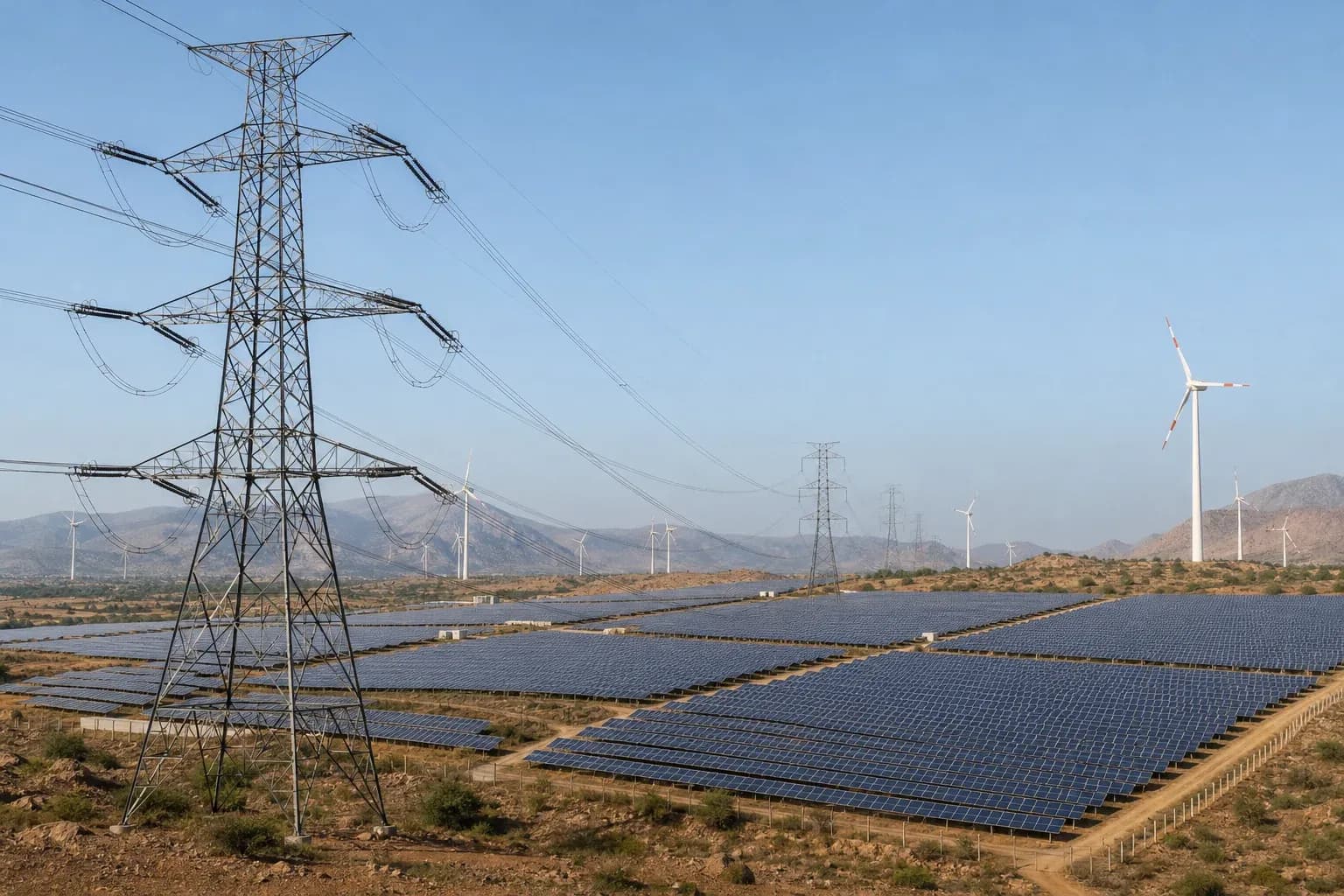
The International Energy Agency published the India Renewable Energy Market Report 2026 on November 3, 2026. In the summary available on the report page, the agency says India has emerged as a leading renewable energy market and links that position to sustained policy ambition, competitive procurement and infrastructure development.
The material available from the report page is brief and does not include numerical findings in the summary provided. It does, however, set out the main themes the report covers: the state of India’s renewable energy market and the policy, procurement and infrastructure factors identified by the International Energy Agency.
IEA Publishes India Renewable Energy Market Report 2026 On November 3
According to the International Energy Agency, the publication released on November 3 is titled India Renewable Energy Market Report 2026. The report focuses on India’s renewable energy market.
The summary available on the report page describes India as having “emerged as a leading renewable energy market.” In the source material provided, that is the central finding attached to the report.
Because the full page text was not available in the source provided, the accessible summary does not set out technology-by-technology figures, capacity totals, auction volumes, investment amounts or a year-by-year outlook. The summary instead presents a concise statement of the report’s main conclusion and the factors the agency says are supporting the market.
Summary Cites Policy Ambition, Competitive Procurement And Infrastructure Development
According to the International Energy Agency, three elements are identified in the summary as supporting India’s renewable energy market:
- sustained policy ambition
- competitive procurement
- infrastructure development
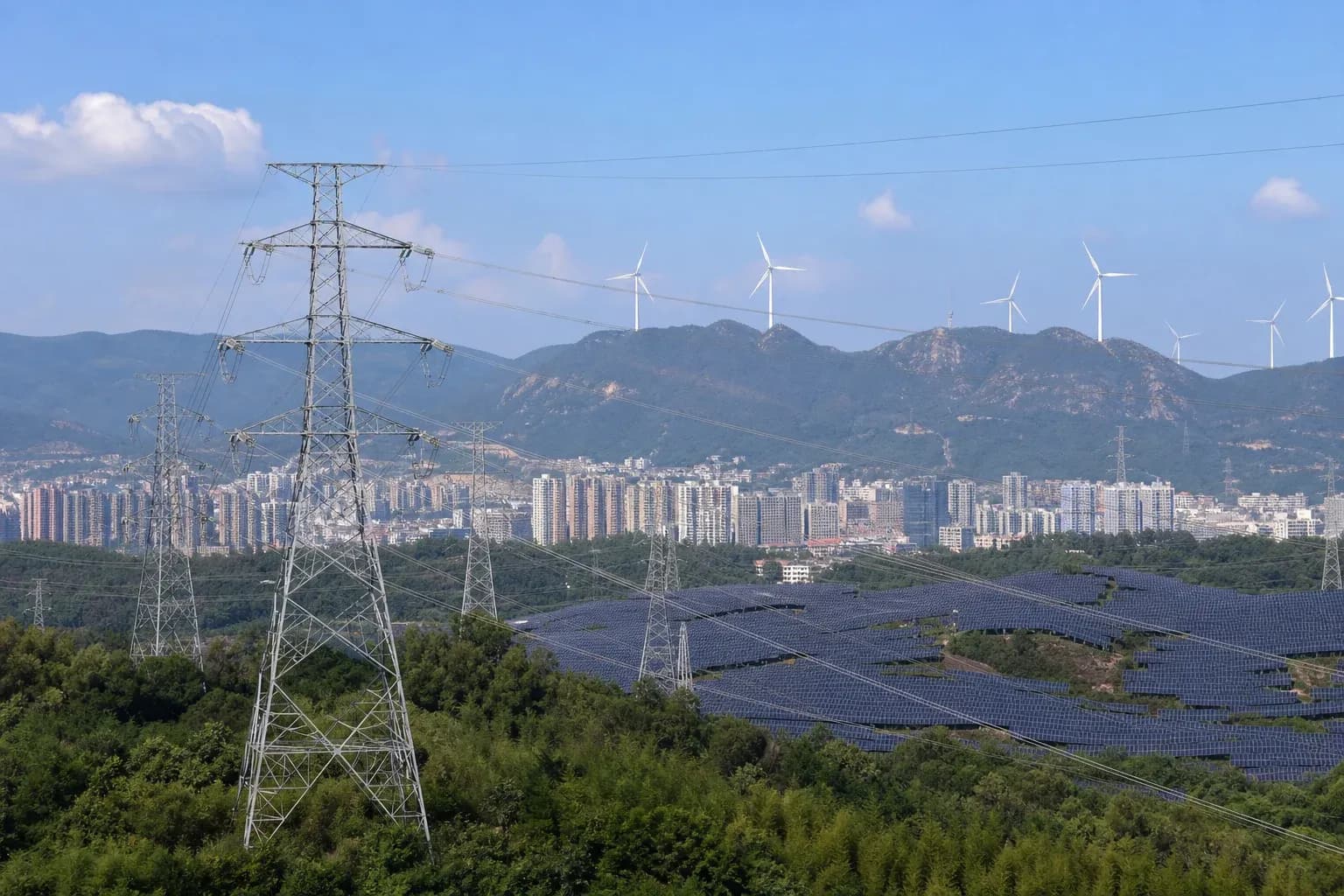
In practical terms, policy ambition refers to the government framework and targets that shape deployment. Competitive procurement generally refers to processes such as auctions or tenders in which developers bid to supply power or build projects under stated rules. Infrastructure development refers to the build-out and improvement of the physical systems needed to connect, move and manage electricity, including transmission and other grid-related assets.
The summary does not rank those factors or attach separate data points to each one in the material provided. It presents them together as the basis for the report’s characterization of India’s renewable energy market.
The Available Source Material Gives The Report’s Main Finding But No Numerical Breakdown
The source material made available for this article contains the report title, publication date, web address and a one-sentence summary. Based on that text alone, the International Energy Agency’s published message is that India’s renewable energy market has advanced with support from policy continuity, procurement design and infrastructure build-out.
No capacity figures, generation totals, technology splits, regional comparisons or forecast ranges appear in the summary provided. The available text also does not specify whether the report covers solar, wind, hydropower, bioenergy or other renewable technologies in separate chapters.
That means the official summary supports a straightforward account of what the agency published and the factors it names, while not providing additional detail on metrics or sub-sectors in the source available here.
Report Page Signals The Areas Readers Can Expect To See In The Full Publication
Even in summary form, the report page indicates the structure of the subject matter addressed by the publication. According to the International Energy Agency, the report is about India’s renewable energy market, and the short description points readers to three recurring areas of focus: policy, procurement and infrastructure.
Those are also the clearest next points identified by the source itself. The summary does not list a separate timetable, consultation phase, auction calendar or implementation milestone after publication. Instead, the next step named by the source is the publication of the report itself, which provides the agency’s account of India’s renewable energy market in 2026.
For readers using the official page alone, the immediate takeaway is limited but clear: the International Energy Agency has issued a report on India’s renewable energy market and attributes the market’s development to sustained policy ambition, competitive procurement and infrastructure development.