News at Glance
- Solar panels can reduce field and canopy temperatures, easing heat stress in crops, Eos reported.
- Shading from panels may lower irrigation needs and improve worker thermal comfort in hot conditions, according to recent coverage.
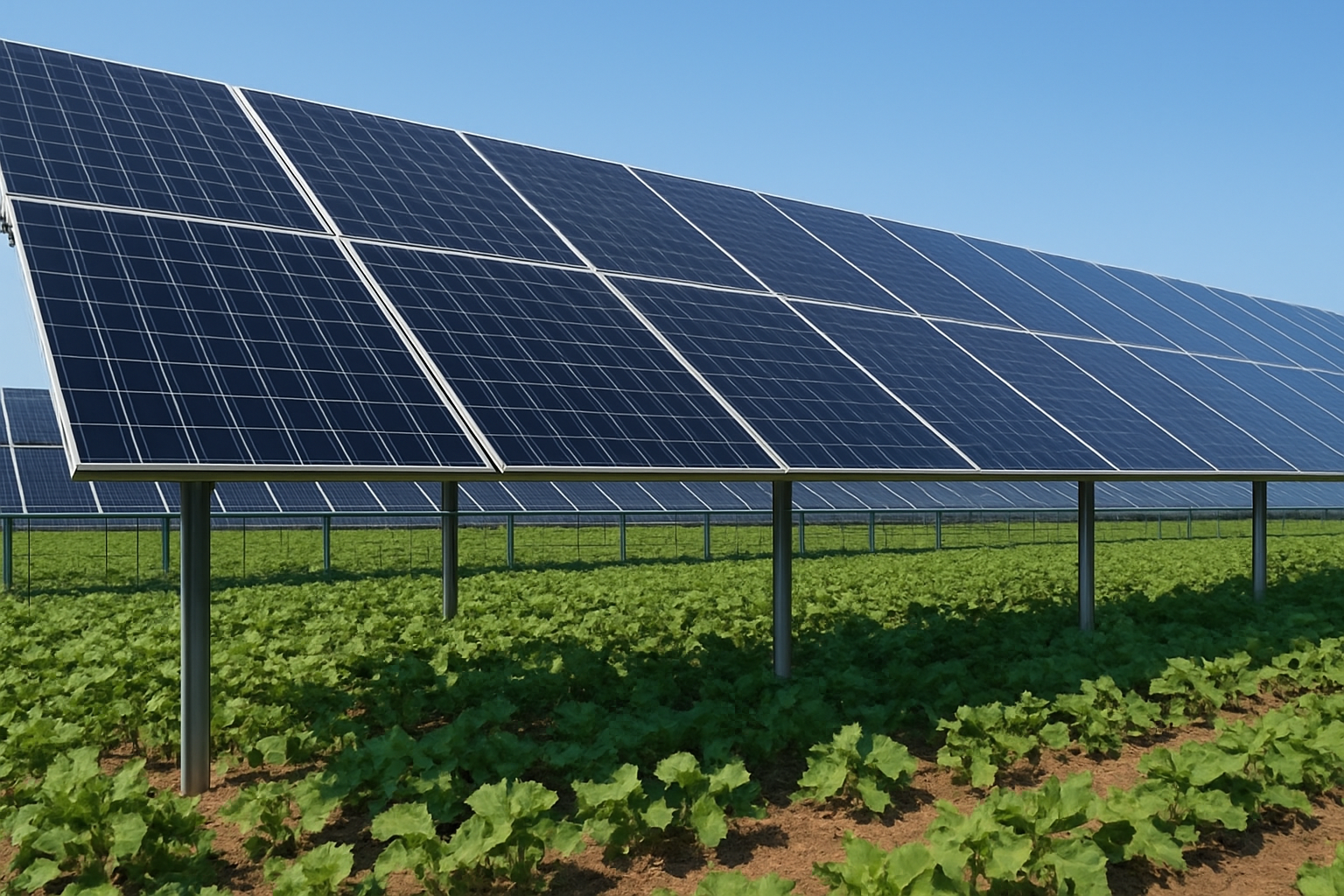
- Agrivoltaic layouts enable electricity production alongside crop growth, offering a dual-use approach without fully converting farmland.
Shade From Agrivoltaics Lowers Field Temperatures and Worker Heat Exposure
Recent reporting in Eos highlights that mounting solar panels above agricultural fields can create cooler microclimates beneath arrays. The shaded zones tend to show lower surface and canopy temperatures compared with fully exposed fields, which can influence plant physiology and worker comfort.
Lower temperatures beneath panels can reduce evaporative demand in some crops, which in turn may decrease irrigation requirements. The cooling effect also alters light quality and distribution, which benefits certain shade-tolerant crops while requiring careful crop selection and layout planning for others.
For farmworkers, shaded workspaces under panels can reduce direct heat exposure during peak sun hours. This mitigation can improve thermal comfort and potentially lower risk of heat-related illness, though successful outcomes depend on array height, spacing and local climate.
Agrivoltaic systems allow landowners to generate electricity while maintaining agricultural production, offering a pathway to diversify farm income and increase land-use efficiency. Implementation requires balancing energy yields, crop suitability and operational practices such as machinery access and irrigation routing.
Practical deployment calls for site-specific design, including panel tilt and row spacing that match crop needs and local weather patterns. Farmers and project developers often pilot small systems to evaluate effects before scaling operations.
FAQs
What is agrivoltaics?
Agrivoltaics is the co-location of solar photovoltaic panels and agriculture on the same land, designed so that energy production and crop or livestock operations can occur together.
Which crops work best under panels?
Crops that tolerate partial shade or require lower light levels tend to perform better beneath panels; suitability varies with species, local climate and panel configuration.
Do panels always reduce water use?
Panels can lower evaporative demand and reduce irrigation needs for some crops, but effects depend on crop type, soil, and how arrays are sited and managed.
Can agrivoltaics increase electricity revenue for farms?
Yes, electricity generation provides an additional revenue stream, but financial outcomes depend on incentives, electricity prices and system costs.
Are there risks for crop yields?
Shading changes light and microclimate, which can harm yields for sun-loving crops; careful planning and trials help identify compatible crops and layouts.
What should policymakers consider?
Policymakers should weigh land-use planning, incentives, and technical guidance to support site-appropriate agrivoltaic projects while protecting food production goals.