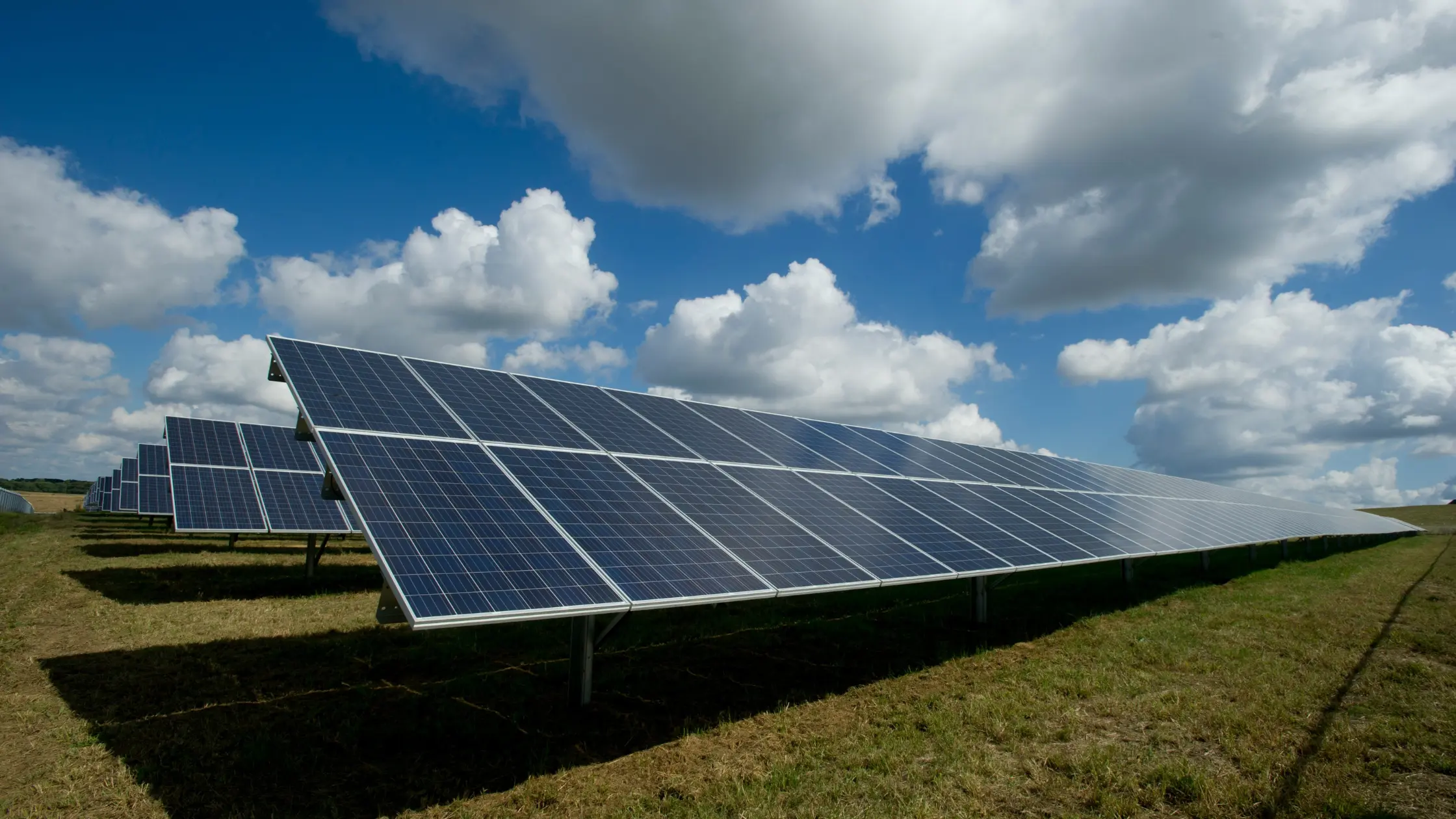
Researchers from University of New South Wales have found that solar PV modules in tracker-based systems degrade significantly faster due to higher ultraviolet (UV) exposure compared to fixed-tilt installations.
The study reveals that single-axis tracking (SAT) systems can receive up to 1.5 times more UV radiation, particularly in high-irradiance regions such as deserts. This leads to nearly double the degradation rates, with annual UV-driven losses reaching 0.35% per year, compared to around 0.25% for fixed-tilt systems.
Researchers highlighted that current industry testing standards underestimate real-world UV exposure, with benchmark thresholds far below what solar modules experience over their 25–30 year lifespan.
A key finding shows that geography plays a critical role in module degradation. Regions with high UV intensity, temperature, humidity, and atmospheric stress—such as tropical and desert climates—face the most accelerated wear and performance loss.
The team developed a high-precision global UV irradiance model that evaluates how system design, tilt, and environmental conditions impact long-term solar performance.
Lead researcher Bram Hoex noted that identical solar technologies can degrade differently depending on location, underlining the need for climate-specific testing and design standards.
The findings suggest that project developers and asset owners may need to reassess system design choices, especially in high-radiation zones where tracker-based systems, despite higher generation potential, could face greater long-term efficiency losses.
The research was published in the IEEE Journal of Photovoltaics, contributing to ongoing efforts to align laboratory testing with real-world operating conditions.