€2.4bn In Port Upgrades Will Lift Europe’s Offshore Wind Capacity After 2030
Europe’s ports need around €2.4 billion of additional investment to raise annual offshore wind installation capacity after 2030, with port projects taking 6 to 10 years to complete.

CTJ Desk
Published •8 min read
Europe’s ports need around €2.4 billion of additional investment to lift annual offshore wind installation capacity to the levels required after 2030, according to WindEurope. Port infrastructure projects typically take 6 to 10 years from permitting to commissioning, so upgrades have to be planned years before the offshore wind projects they will serve.
€2.4bn Is The Additional Spending Identified For Post-2030 Installation Capacity
The investment need centers on the physical infrastructure required to build offshore wind farms at the pace planned for the next decade. The €2.4 billion estimate is set out in Europe's offshore wind needs ports ready to deliver, which says annual installation capacity must increase to the levels required after 2030.
The analysis says offshore wind deployment is beginning to move ahead of the port infrastructure available to support it. It projects demand for port infrastructure to exceed supply at the start of the next decade, at the same time offshore wind deployment needs to accelerate.
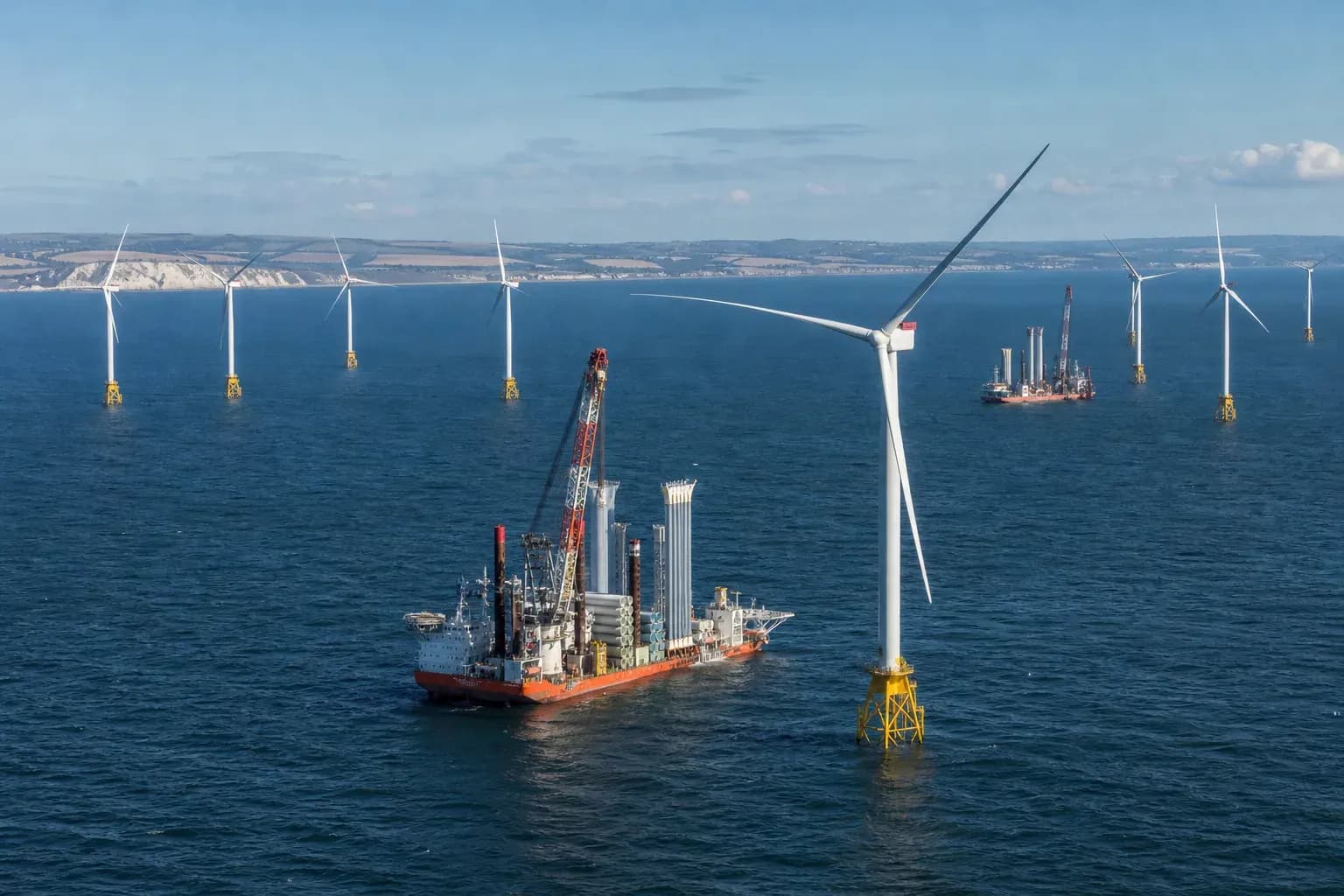
That gap is tied to the way offshore wind projects are built. Major components including turbine sections, foundations and other heavy equipment are assembled, stored and moved through ports before installation at sea. If berth depth, quay strength or staging space are not in place in advance, the installation chain cannot expand to the levels needed later in the 2030s.
Larger Turbines Require High-Load Quays, Deeper Berths, And More Space
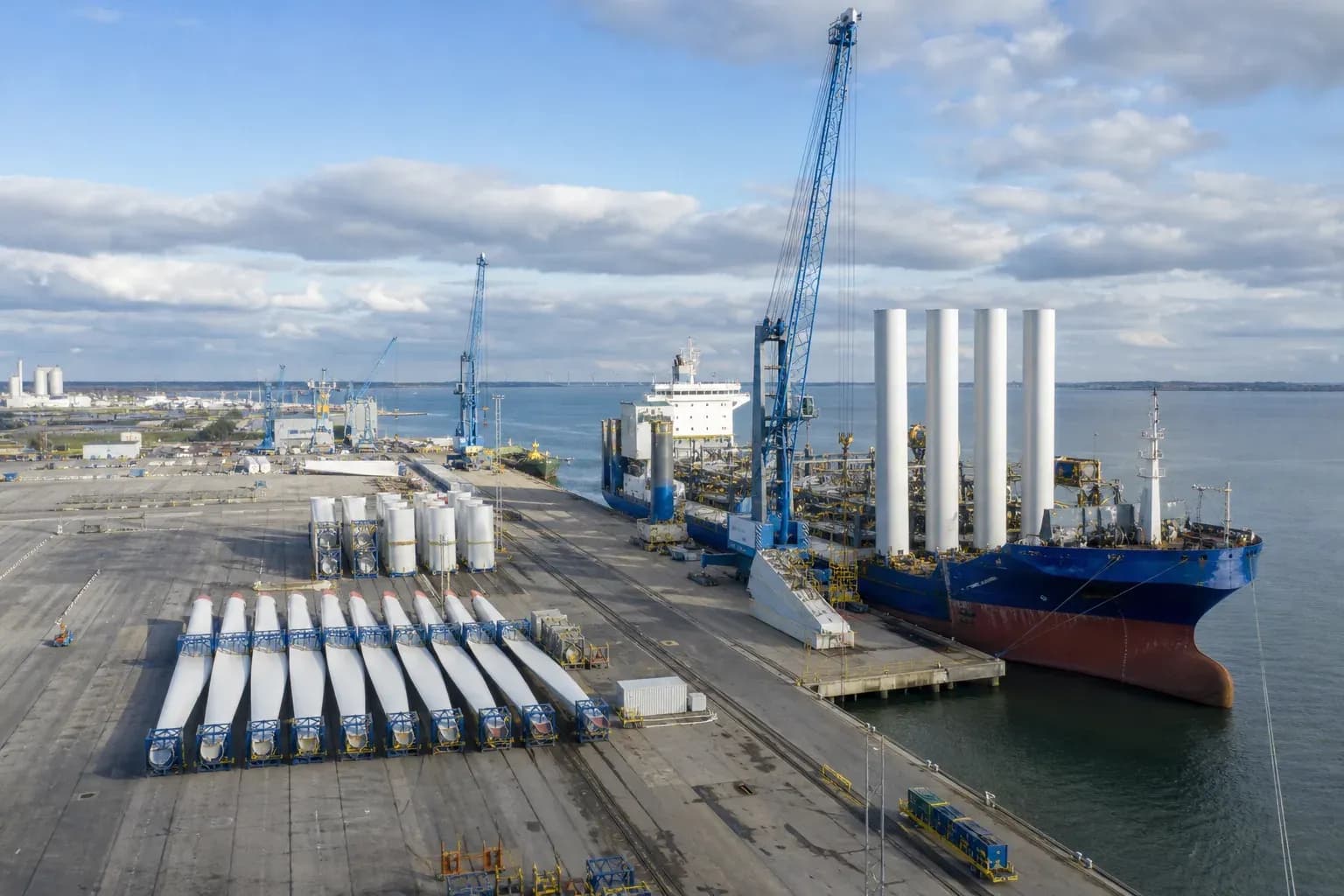
The stated reason for the upgrade need is the continuing increase in turbine size and weight. Ports handling offshore wind components need high-load quays, deeper berths and enough space to manage larger equipment.
High-load quays are needed because offshore wind components place concentrated weight on port surfaces during storage and lifting operations. Deeper berths allow installation and heavy-lift vessels to dock safely, while larger open areas are needed to marshal blades, towers, nacelles and foundations before they are shipped to offshore sites.
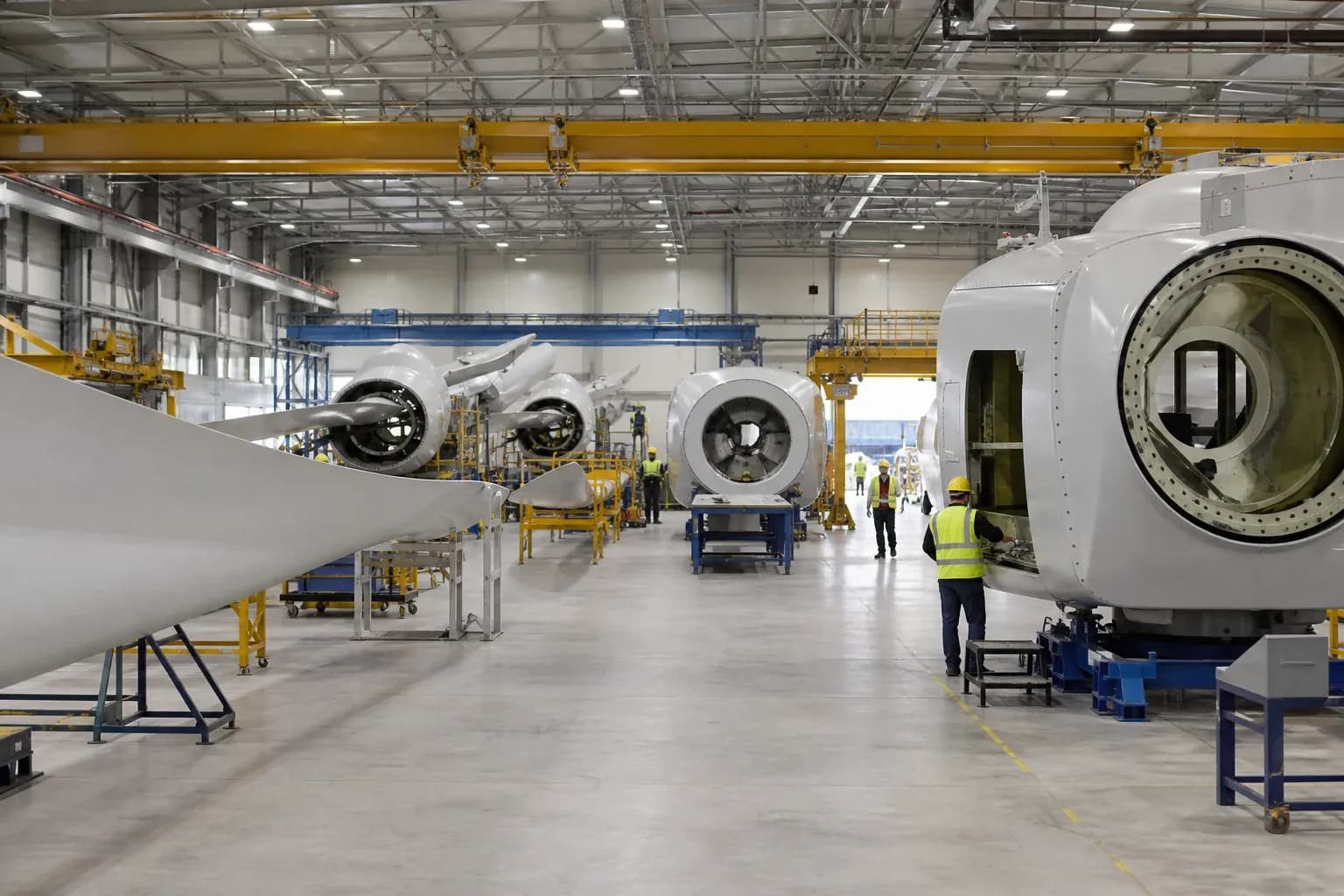
The analysis also describes ports as more than transport sites for cargo. In offshore wind, they are locations where components are manufactured, stored and assembled. It adds that ports are set to function as broader renewable energy hubs, handling renewable electricity, hydrogen, alternative fuels and energy storage while supporting local industrial clusters.
Port Upgrades Need 6 To 10 Years, So The Project Pipeline Matters Now
The timing requirement is one of the clearest points in the assessment. Port infrastructure projects usually take 6 to 10 years from permitting to commissioning. That means a port upgrading today may be preparing for wind farms that will be built much later.
Because of that timeline, the analysis says ports need visibility over the offshore wind pipeline before committing capital. It argues that investment cannot rest on long-term ambition alone and instead depends on knowing which projects are coming forward and when. A predictable pipeline is presented as the basis for bankable port investments, in the same way that visibility matters for the wider offshore wind supply chain.
The text therefore calls for firm auction schedules with sufficient volumes over the coming years. It also notes that project timelines have moved in several Member States and that final investment decisions have shifted over time, which affects how ports line up their own expansion programs with future offshore wind build-out.
A final investment decision is the formal step where a project is approved to proceed. For port owners and operators, that timing matters because civil works such as quay reinforcement, dredging and berth expansion need to be completed before installation campaigns begin.
Cross-Border Port Planning Is Moving To Sea-Basin Coordination By Q2 2027
The analysis says port planning for offshore wind cannot be limited to national boundaries because supply chains operate across borders and ports in one country often serve wind farms in another. It points to the EU Ports Strategy, which recognizes the changing role of Europe’s ports and calls for better coordination of investment.
The next step identified is implementation by Member States, with planning that looks at required capacity at least at sea-basin level. One example already cited is the North Sea. North Sea Energy Ministers have committed to jointly assess port capacity expansion needs by the second quarter of 2027.
That sea-basin approach reflects the geography of offshore wind logistics. Manufacturing, pre-assembly, storage and vessel mobilization do not always happen in the same country as the wind farm itself, so available capacity across neighboring ports becomes part of the same delivery chain.
The industry’s latest Offshore Wind Ports Platform meeting also reflected that regional focus. On 27-28 October, 31 participants, including representatives from eight European ports, visited Den Helder and Amsterdam in the Netherlands.
EU Ports Strategy Review Connects Financing To Offshore Wind Volumes
The text also identifies an ongoing policy process in the European Parliament. The Parliament’s Transport and Tourism Committee is examining a new own-initiative report on implementation of the EU Ports Strategy, and offshore wind is described as an issue that should be included clearly in that discussion.
The financing point raised in the analysis is direct: port infrastructure funding should be linked more closely to the offshore wind deployment pipeline. In that framework, financing works when there is a credible underlying market supported by a predictable volume of projects.
Taken together, the sequence described is straightforward. Ports need physical upgrades to handle larger offshore wind components. Those upgrades require around €2.4 billion in additional investment. The projects behind that investment take 6 to 10 years to complete, so auction schedules, project volumes and cross-border planning have to be aligned well ahead of the post-2030 installation ramp-up.
SOURCES
- WindEurope: Europe's offshore wind needs ports ready to deliver