Project pairs 86 MW solar with lithium-ion and zinc batteries for round-the-clock power
-2.png&w=3840&q=75)
CleanTech Journal Desk
September 4, 2026•8 min read
News at Glance
- 86 MW solar capacity will be paired with two battery chemistries to support continuous supply.
- Lithium-ion batteries are intended to provide fast, short-duration power for grid stability and peak response.
- Zinc batteries are being deployed alongside lithium-ion to extend discharge duration and cover evening and night-time demand.
Hybrid storage designed to firm solar output through night-time hours
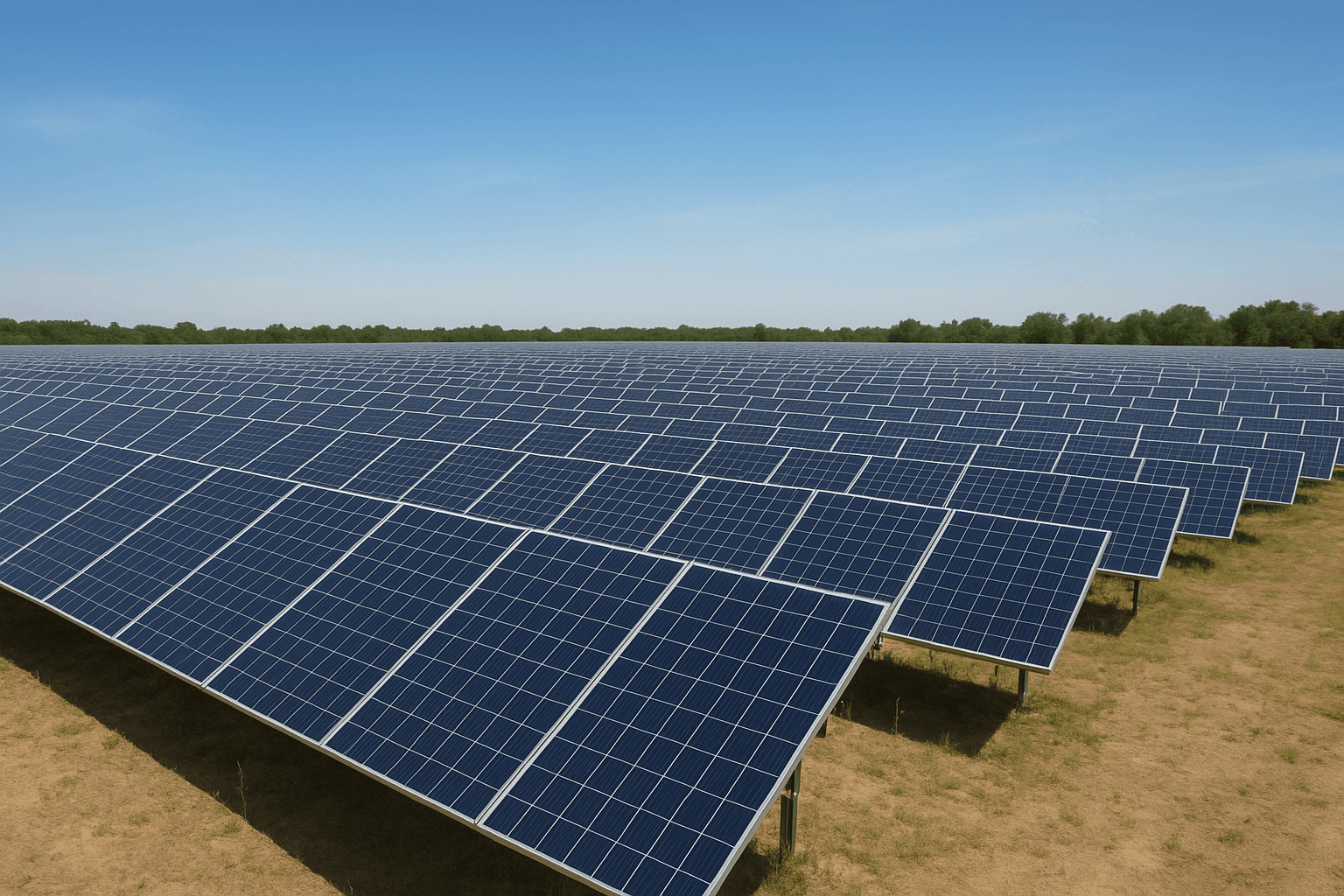
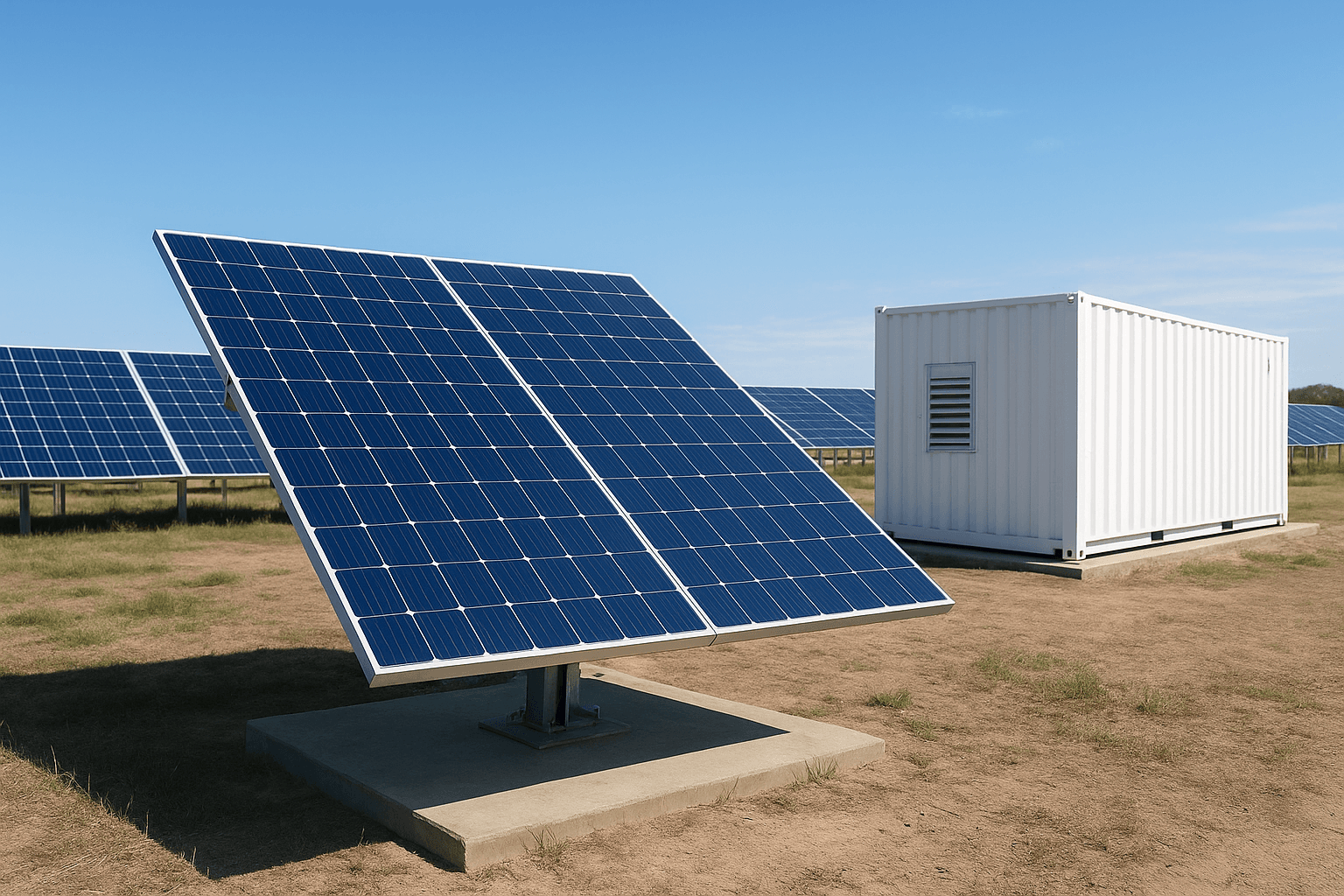
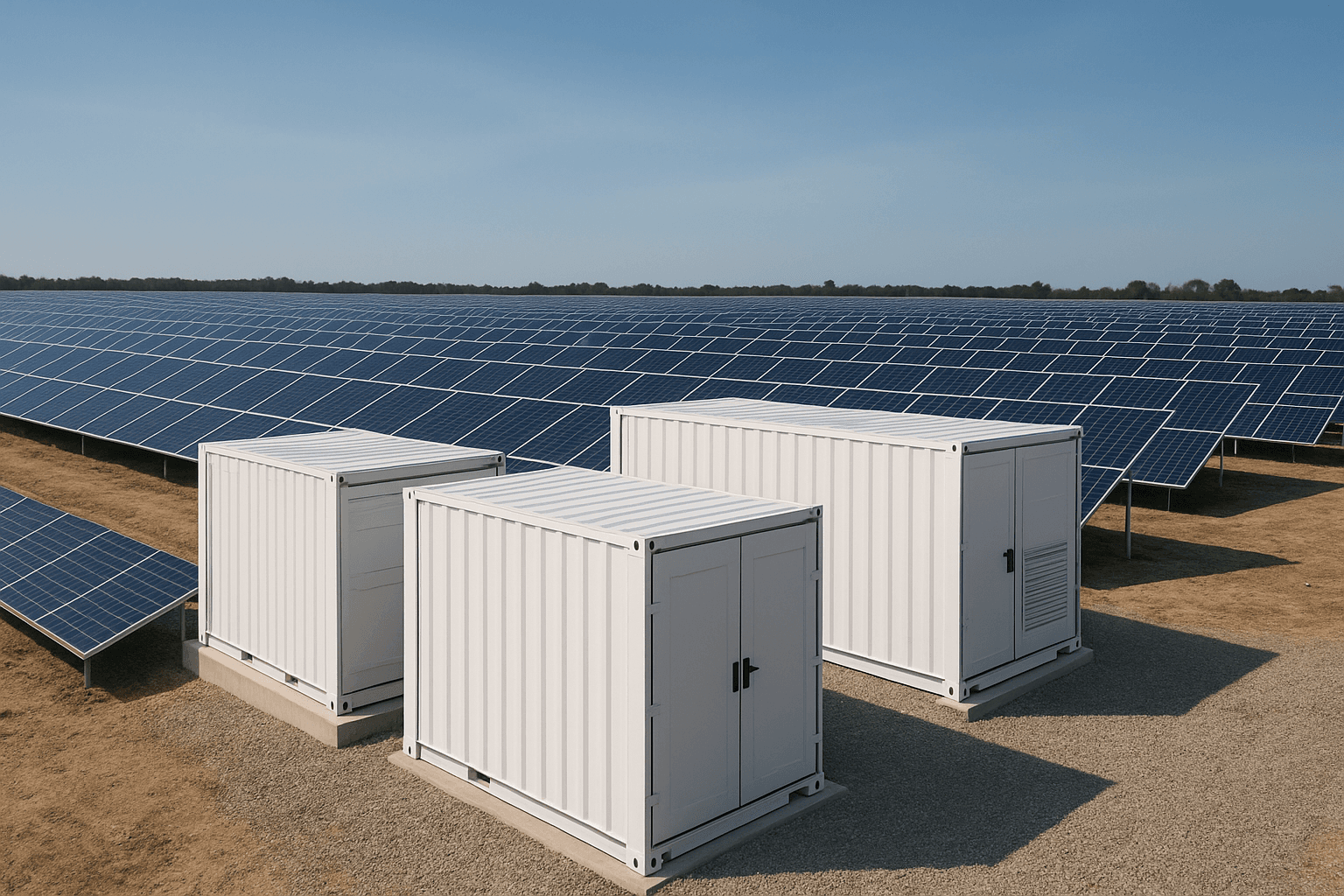
A recently reported 86 MW solar project will combine lithium-ion and zinc battery systems with the aim of delivering round-the-clock electricity from solar generation.
In this model, lithium-ion batteries are used for high-power, short-duration tasks such as frequency control and immediate load-following. Zinc-based batteries are intended to provide longer-duration discharge to bridge the gap between daylight and peak evening demand.
Industry proponents say pairing chemistries can optimise costs and performance by matching each technology to the application it suits best. Lithium-ion’s high energy density and efficiency complement zinc systems that are promoted for longer-duration storage and lower thermal runaway risk.
The combination is part of a broader move toward hybrid energy-storage systems that seek to firm variable renewable output without relying on fossil-fuel backup. Project developers and grid planners are exploring such approaches to reduce curtailment and provide predictable supply profiles.
Zinc batteries typically use aqueous chemistries, which can offer safety and materials-cost advantages, while facing trade-offs such as lower energy density. Deployment at commercial scale aims to clarify lifecycle costs, performance and recycling pathways compared with incumbent lithium technologies.
Observers say multi-chemistry systems are an emerging trend for integrating large-scale solar into grids that need flexible, sustained capacity. Further demonstration projects and operational data will be critical to assess how hybrid storage stacks up on cost, reliability and environmental metrics.
FAQs
What is the benefit of pairing lithium-ion and zinc batteries in a solar project?
Pairing allows each battery chemistry to play to its strengths: lithium-ion for rapid, short-duration response and zinc for longer-duration discharge, which can reduce overall system cost and improve round-the-clock supply.
How do zinc batteries differ from lithium-ion batteries for grid storage?
Zinc batteries often use aqueous electrolytes and are less prone to thermal runaway, potentially offering safer, lower-cost long-duration storage, while lithium-ion provides higher energy density and efficiency for short, high-power needs.
Can hybrid battery systems provide true 24/7 renewable power?
Hybrid systems can extend the hours that renewable generation is available by combining short- and long-duration storage, but continuous 24/7 renewable power also depends on storage sizing, demand patterns and grid integration.
What are the main challenges for zinc battery deployment at scale?
Challenges include lower energy density compared with lithium-ion, the need for demonstration of long-term cycling performance, supply chain maturity, and establishing recycling and disposal pathways.
How does using two battery chemistries affect project economics?
Using two chemistries can optimise capital and operating costs by allocating expensive fast-response batteries to where they are most needed and deploying lower-cost long-duration storage for sustained discharge, but outcomes depend on local market signals and technology costs.
Will hybrid storage reduce the need for fossil-fuel peaker plants?
Large-scale, well-designed hybrid storage can reduce reliance on fossil-fuel peaker plants by providing flexible and sustained capacity, though the extent depends on regional grid flexibility, storage scale and policy incentives.