CEA Proposes Mandatory Energy Storage for New Solar and Wind Projects From 2027
-2.png&w=3840&q=75)
CleanTech Journal Desk
Published •Updated •8 min read
News at Glance
- CEA has proposed mandatory energy storage for new solar and wind projects beginning in 2027.
- The proposal aims to improve grid stability and the firming of intermittent renewable generation.
- Implementation will require regulatory adoption and follow-up decisions by government and market authorities.
Proposal Seeks To Pair New Renewable Capacity With Storage to Reduce Intermittency
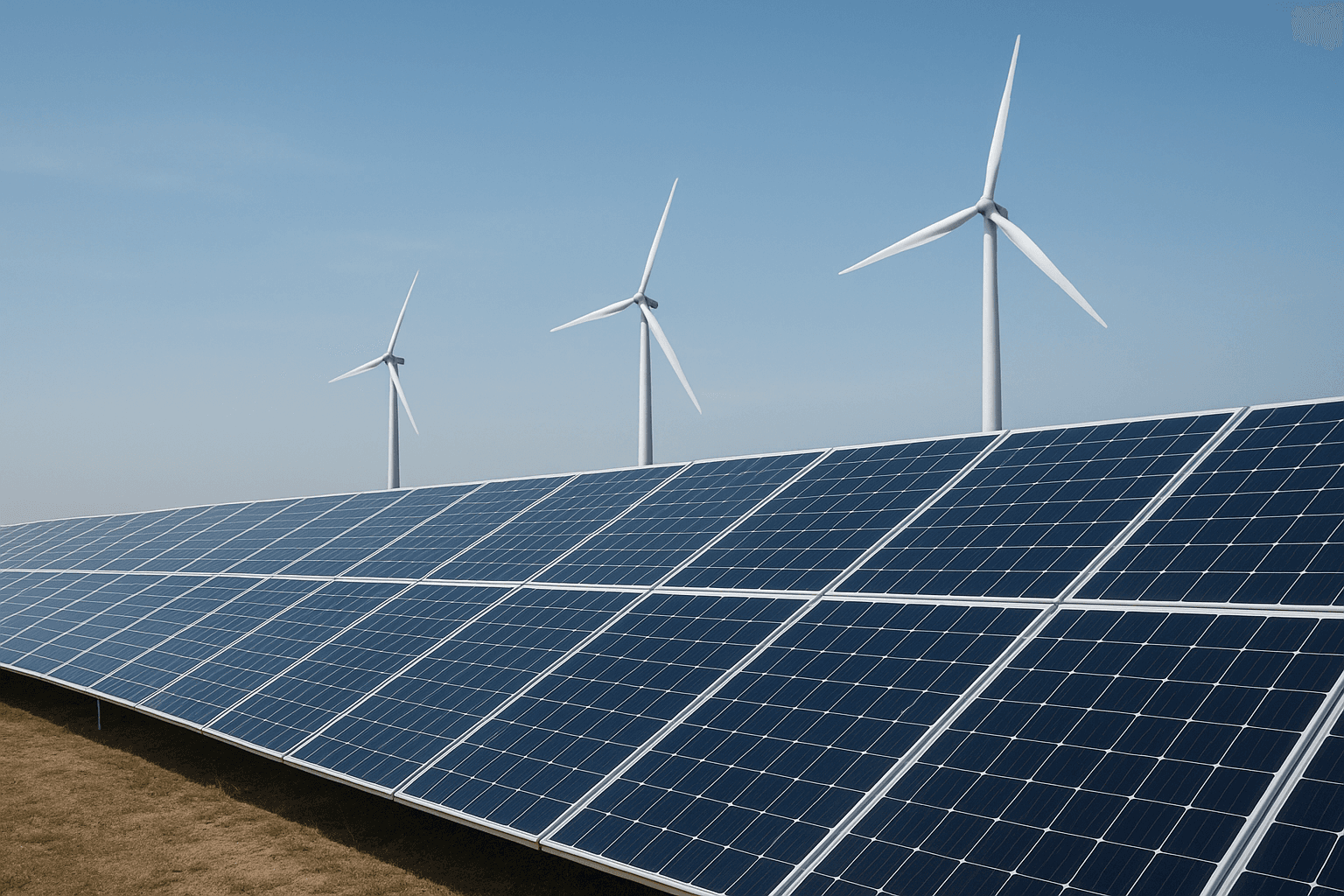
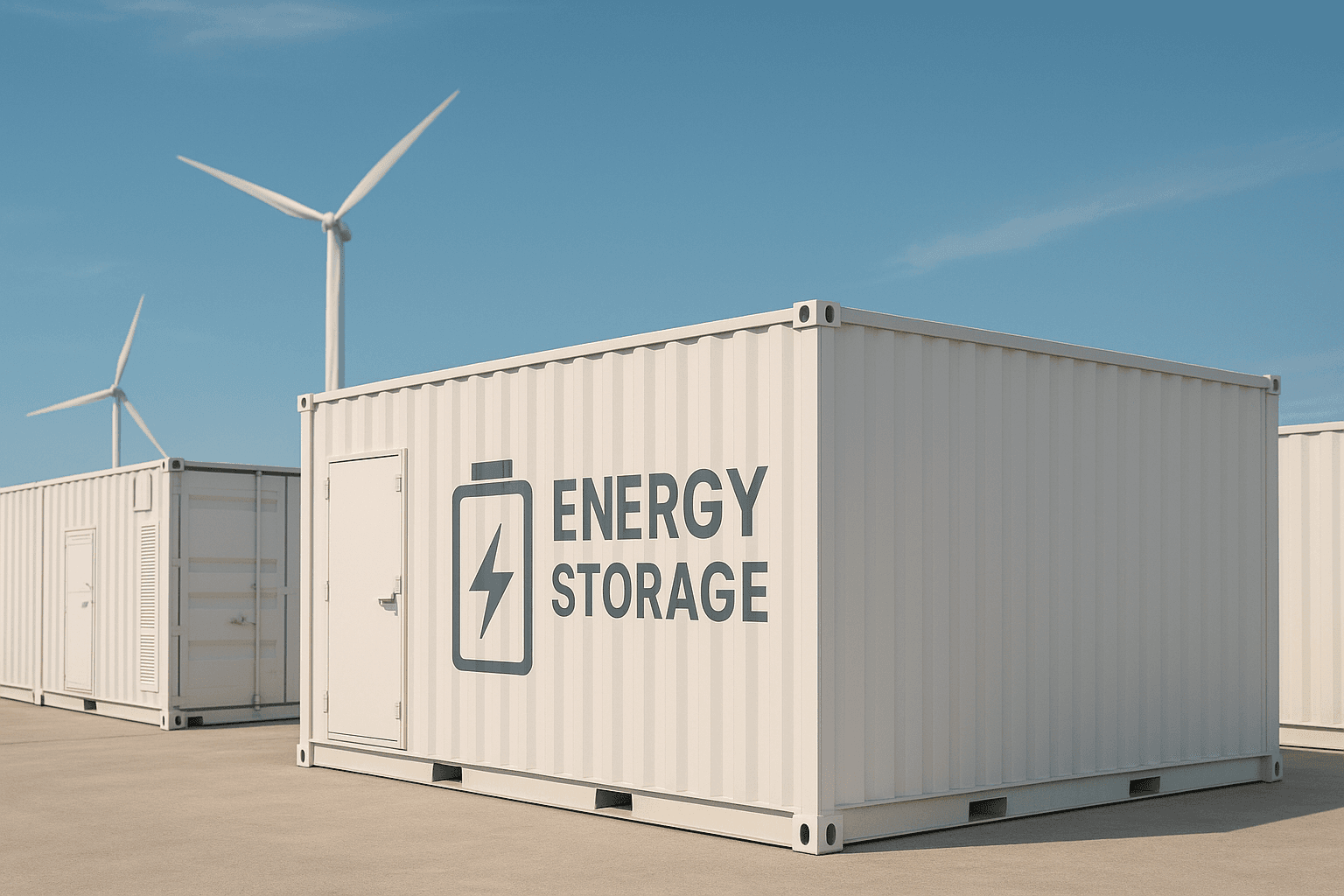
The Central Electricity Authority (CEA) has put forward a proposal that would require new solar and wind projects to include energy storage from 2027. The move is intended to help grid operators manage variability as renewable capacity grows.
The CEA proposal recommends that developers either deploy co-located storage or secure equivalent storage-backed supply arrangements. The agency presents the measure as a way to ensure firm power delivery and to support frequency and voltage management on the grid.
If adopted, the policy would change project planning and procurement for upcoming auctions and greenfield installations. Developers and financiers will need to factor storage capital and operational costs into project economics, and manufacturers of batteries could see increased demand.
The proposal itself is not a final regulation; it will need to be considered by relevant ministries and regulators before becoming binding. Such a transition typically involves stakeholder consultations, impact assessments and rulemaking to define technical standards, capacity requirements and implementation timelines.
Analysts and market participants say mandatory storage can accelerate the deployment of batteries and other firming technologies, but also raise questions about cost allocation, tariff design and procurement models. These issues are commonly addressed in follow-up policy and regulatory documents.
Next steps are likely to include consultation with distribution companies, developers and grid operators to refine how storage obligations would be applied and monitored. The 2027 timeline gives industry lead time to plan new builds with integrated storage or contractual arrangements.
FAQs
What exactly has the Central Electricity Authority proposed regarding energy storage?
The CEA has proposed that new solar and wind projects from 2027 should be paired with energy storage solutions to improve grid integration and provide firm power; the document is a proposal and not yet a binding rule.
When would the proposed storage requirement take effect?
The proposal sets 2027 as the start year for the requirement, subject to formal adoption and any implementation timelines set by government and regulators.
Does the proposal apply to existing solar and wind installations?
The CEA proposal targets new projects; existing installations are typically treated separately and may be covered by different retrofit or market-based measures if regulators decide so.
What types of energy storage could meet the requirement?
Energy storage can include battery energy storage systems and other technologies that store electricity for later dispatch; final technical specifications would be set during rulemaking.
Will this proposal immediately change project costs for developers?
Developers will likely need to account for additional capital and operational costs for integrated storage or contractual firming arrangements once the rule is finalized, affecting future project bids and financing.
Who will decide whether the CEA proposal becomes binding regulation?
Decision-making typically involves the ministry responsible for power and electricity regulators, which would review the proposal, conduct consultations and issue formal regulations or guidelines if approved.