
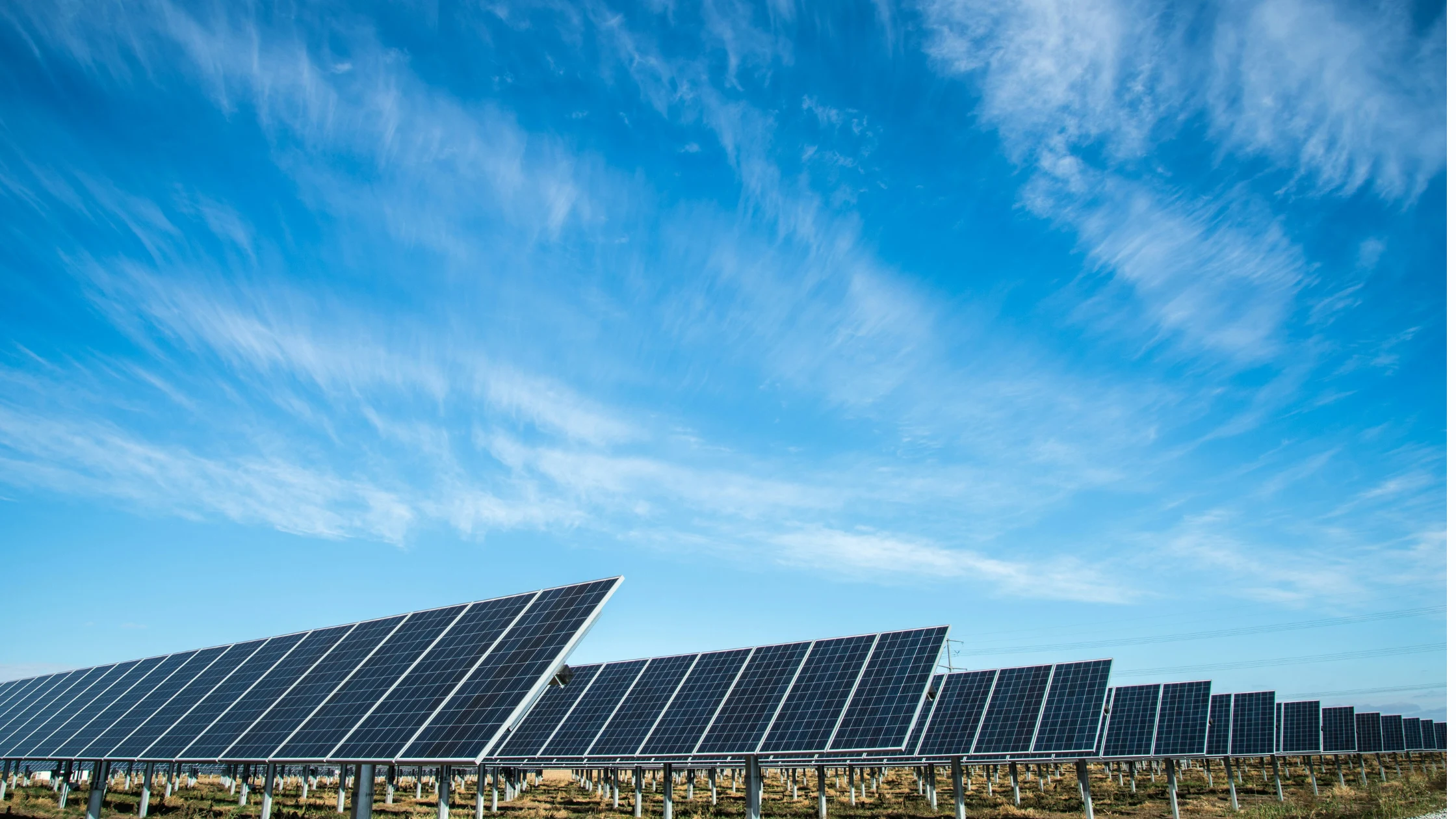
The Ratlam facility forms part of Fujiyama’s broader greenfield manufacturing strategy aimed at strengthening its integrated solar ecosystem. Designed with planned annual manufacturing capacity of 2,000 MW each for solar panels, batteries and inverters, the plant is expected to significantly enhance the company’s ability to cater to rising rooftop solar demand.
Operations at the solar panel line have begun with an initial annualized production capacity of nearly 1,000 MW under a single-shift model. The company plans to gradually scale operations through phased expansion and double-shift manufacturing, targeting full utilization of the facility by the fourth quarter of FY27.
Following the commissioning, Fujiyama’s total solar panel manufacturing capacity has increased to 3,568 MW, reinforcing its position in India’s rapidly growing rooftop solar market.
The company also shared updates on inverter and battery production lines being developed at the Ratlam site. While commissioning timelines were delayed due to the integration of advanced lithium-ion battery technologies and geopolitical disruptions affecting equipment supplies, these challenges have largely been resolved.
Fujiyama expects its inverter manufacturing line to become operational in the first quarter of FY27, with machinery already delivered. The battery manufacturing line is expected to be commissioned during the second quarter of FY27 after equipment installation.
The Ratlam project is expected to strengthen backward integration, improve supply-chain efficiencies and support cost competitiveness across product categories. The expansion also reflects growing momentum toward domestic manufacturing as India seeks to reduce import dependency and build a stronger clean energy supply chain.
With nearly three decades of experience, Fujiyama has built a significant presence in India’s rooftop solar market, supported by an extensive network of more than 8,900 channel partners across Tier-2 and Tier-3 cities.