News at Glance
- 6.63 GWh installed: Adani Green Energy has increased battery storage capacity at Khavda in Gujarat to 6.63 GWh.
- Location: The expansion is sited at Khavda in Gujarat, within a major renewable energy zone in western India.
- Grid impact: The added capacity is aimed at improving integration of variable renewable generation and supporting grid flexibility.
6.63 GWh Expansion Aims to Smooth Renewable Output in Gujarat
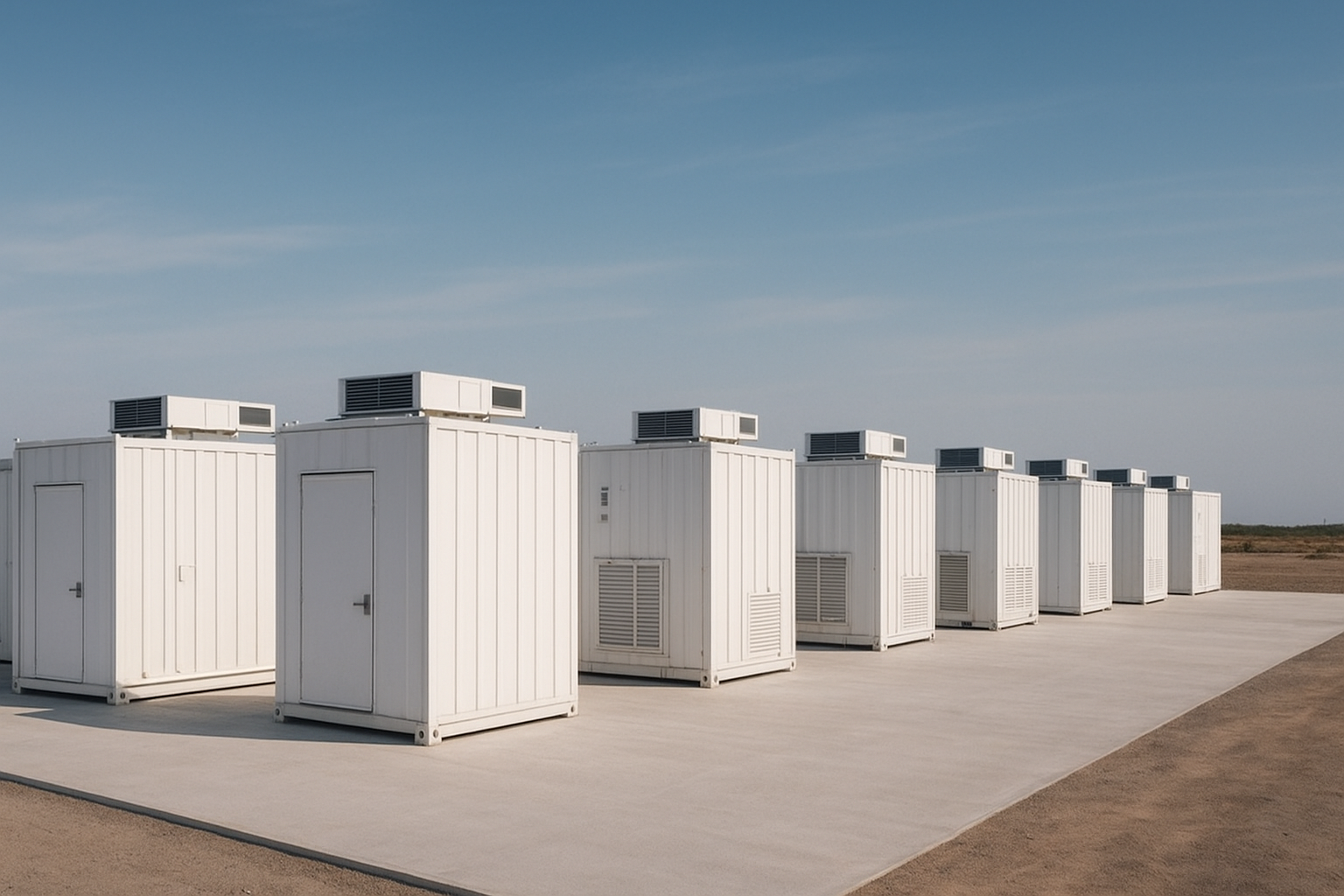
Adani Green Energy has expanded the battery energy storage capacity at its Khavda site in Gujarat to 6.63 gigawatt-hours, the company confirmed. The upgrade increases the site’s ability to store electricity generated from intermittent renewable sources for later use.
Located in Khavda, Gujarat, the storage facility is part of efforts to bolster system flexibility as renewable installations grow. Adani Green Energy is the operator responsible for the enhanced storage capacity at the site.
Battery energy storage capacity expressed in gigawatt-hours (GWh) indicates the total energy the system can deliver over time; a 6.63 GWh system can provide multiple hours of discharge depending on the power rating. Systems of this scale are used to shift energy from periods of high generation to times of higher demand.
Large-scale batteries support grid services such as peak shaving, frequency response and short-term capacity firming, helping to manage variability from solar and wind farms. They can also reduce curtailment of renewable generation when supply outstrips immediate demand.
Expansions like Khavda’s reflect broader market interest in pairing storage with renewable assets to improve reliability and value capture. Developers and grid operators increasingly view energy storage as a key component for integrating higher shares of variable renewables without compromising system stability.
Industry observers say deployments of utility-scale storage will be watched closely for operational performance and grid benefits. While specific operational details and commercial arrangements for Khavda were not disclosed, the capacity increase aligns with a growing pipeline of large battery projects across India.
FAQs
What does 6.63 GWh of battery storage mean in practical terms?
Six point six three gigawatt-hours (GWh) is a measure of energy storage capacity that indicates how much electricity the battery can deliver over time; the actual duration of discharge depends on the system’s power rating in megawatts (MW).
How do battery storage systems help integrate solar and wind power?
Battery storage can absorb excess generation during periods of high solar or wind output and discharge that energy when output falls or demand rises, reducing curtailment and smoothing supply variability for the grid.
Who operates the Khavda battery storage facility in Gujarat?
Adani Green Energy is the operator that expanded the battery storage capacity at the Khavda site in Gujarat to 6.63 GWh.
Where is Khavda and why is it significant for renewables?
Khavda is a location in the state of Gujarat, India, which hosts renewable energy developments; its significance comes from favorable solar resources and existing renewable projects in the region.
What grid services can large battery plants provide?
Large battery plants can provide peak load shifting, frequency regulation, voltage support, reserve capacity and fast response to sudden changes in supply or demand, enhancing overall grid stability.
Are there environmental or safety concerns with utility-scale batteries?
Utility-scale batteries require careful siting, thermal management, and end-of-life recycling plans; regulatory standards and industry best practices aim to mitigate fire risks and environmental impacts associated with battery operations.