
News at Glance
- A recent study finds uptake of solar among Bangladeshi factories remains low despite continuing electricity shortages and rising costs.
- Key barriers identified include limited access to finance, regulatory and grid constraints, and shortages of technical capacity at industrial sites.
- Researchers call for targeted policy and financing measures to unlock rooftop and captive solar potential in manufacturing hubs.
Manufacturing hubs still face persistent outages as solar deployment lags
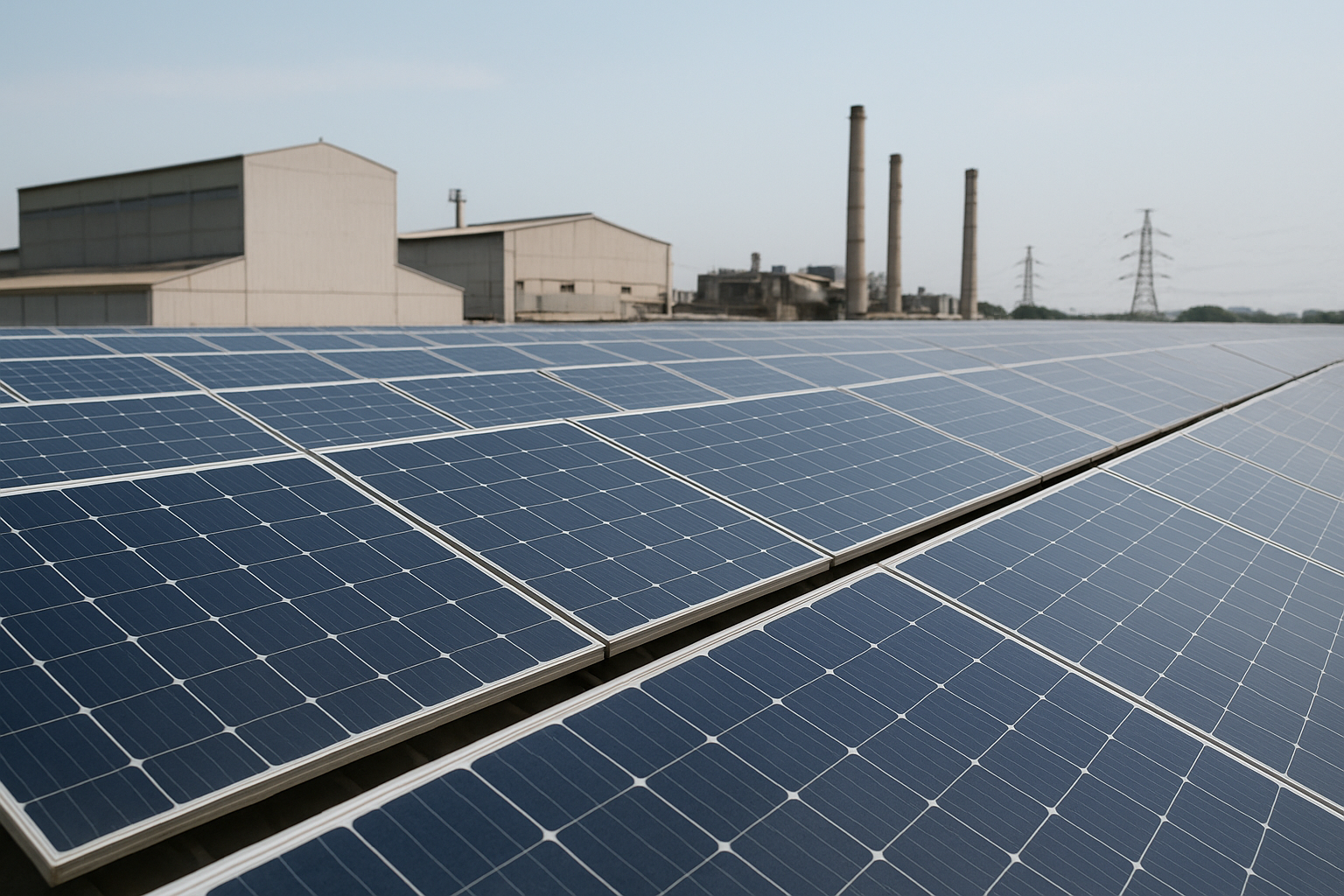
A study released this year highlights a gap between Bangladesh’s industrial electricity needs and the adoption of on-site solar solutions. Many factories continue to rely on grid supply and diesel generators even as power reliability fluctuates.
Researchers say the causes are multifaceted: high upfront costs, limited access to long-term financing, unclear regulatory treatment for captive generation, and operational challenges in retrofitting older facilities. These obstacles discourage firms from investing in rooftop and behind-the-meter systems.
Grid limitations and bureaucratic hurdles also reduce the appeal of grid-connected arrangements such as net metering or wheeling for industrial consumers. Where tariffs, interconnection rules or metering standards are uncertain, project developers and factory owners face added risk.
Technical capacity is another constraint. Many factories lack in-house expertise to evaluate solar prospects, manage installation, or integrate systems with existing electrical infrastructure. This increases perceived project complexity and transaction costs.
The study recommends a package of measures to accelerate uptake: concessional or tailored financing for industrial solar, streamlined permitting and interconnection procedures, aggregation models for small and medium enterprises, and targeted training to build technical skills.
Adoption of such measures could reduce reliance on backup generation, cut operating costs, and improve resilience for manufacturers. Policymakers, financiers and industry associations are identified as key actors to create a more enabling environment for rapid deployment.
FAQs
Why are factories not switching to solar despite power shortages?
Barriers include high upfront costs, limited financing options, regulatory uncertainty, grid connection challenges and a lack of technical capacity to implement and manage projects.
Can rooftop or captive solar replace diesel generators?
Solar can significantly reduce generator use for daytime loads but often needs storage, demand management, or hybrid systems to fully replace backup generation during outages and night-time operations.
What financing models could help industrial solar uptake?
Options include long-term loans, leasing, third-party power purchase agreements, blended finance and aggregation of multiple factories to improve bankability.
Are there regulatory changes that would help?
Clearer interconnection rules, streamlined permitting, favourable net metering or wheeling frameworks and standardised contracts would lower transaction costs and investor risk.
What role do technical skills play?
Skilled personnel are needed to assess site viability, design systems, manage construction and ensure ongoing operation—shortages increase costs and deter projects.
What are the wider benefits of scaling industrial solar?
Benefits include lower fuel costs, reduced emissions, improved energy security for manufacturers and potential job creation in installation and maintenance services.