News at Glance
- A Chinese company has unveiled solar-integrated car roofs it says are ready for mass production, according to BGR.
- The roofs are positioned to augment vehicle power and reduce cabin heating, but detailed performance figures were not published.
- Commercial rollout depends on OEM partnerships and testing, with certification and cost still key hurdles.
Manufacturer says car-top solar modules are production-ready
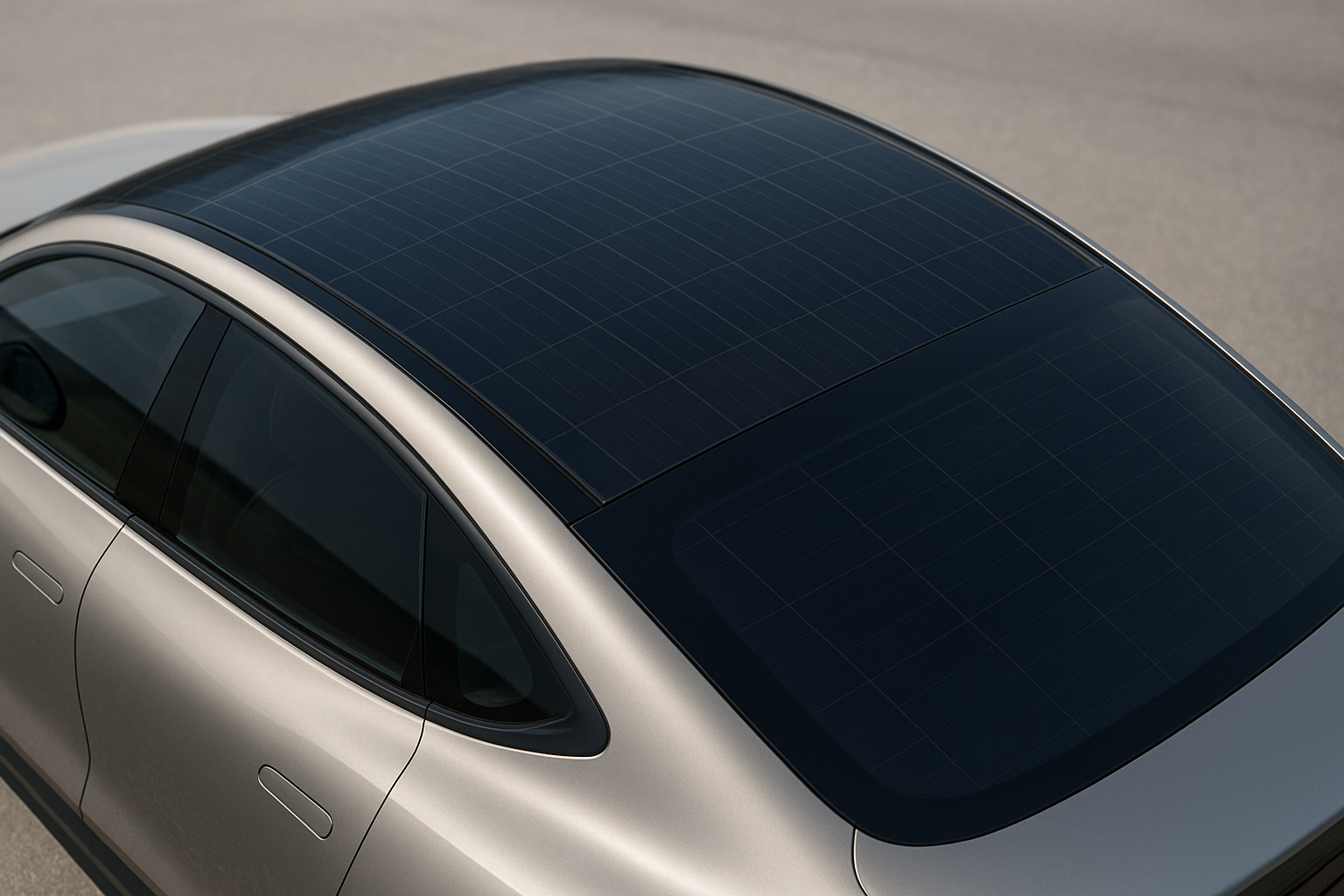
According to a BGR report, a Chinese firm has revealed solar car roofs it describes as ready for mass manufacture. The company presented the product as an integrated rooftop solution intended for passenger vehicles.
The maker asserts the roofs can generate electrical power to supplement a vehicle’s battery and reduce energy spent on air conditioning, potentially improving real-world range. The BGR coverage did not include independent performance data or specific output figures for the modules.
Mass-production readiness implies established tooling and supply-chain plans, though details on capacity, partners or timelines were not disclosed. Broader adoption will hinge on agreements with automakers and the ability to integrate the modules with vehicle electrical systems and warranties.
Industry observers say automotive solar roofs can deliver modest energy gains because roof area is limited and output varies with geography and weather. The practical benefit depends on cell efficiency, vehicle energy consumption and installation angle.
Regulatory approval, crash safety certification and long-term durability under automotive conditions remain critical checkpoints before widespread deployment. Cost competitiveness versus other energy-efficiency measures will shape OEM interest.
Independent testing and pilot integrations with established carmakers will be watched closely to validate manufacturer claims. If proven reliable and economical, rooftop photovoltaics could become another lever for reducing vehicle energy demand and operating emissions.
FAQs
What are solar car roofs and how do they work?
Solar car roofs are vehicle roof panels embedded with photovoltaic cells that convert sunlight into electricity. That electricity can supplement the vehicle battery, power auxiliary systems, or reduce air-conditioning load, depending on integration.
How much driving range can a solar roof realistically add to an electric vehicle?
Range gains are typically modest because roof area is limited and solar output varies by sun exposure. Real-world additions depend on cell efficiency, climate and vehicle consumption; precise numbers require independent testing of a given product.
Are production-ready solar roofs available for all types of cars?
Compatibility depends on vehicle roof design, electrical architecture and manufacturer willingness to integrate the system. Aftermarket and OEM options exist, but not every model is a suitable fit without bespoke engineering.
What manufacturing challenges do solar car roofs face?
Challenges include ensuring durability under vibration and weather, meeting automotive crash and safety standards, integrating electrical systems, and scaling production cost-effectively within existing supply chains.
When could production-ready solar roofs reach consumers?
Timing depends on OEM partnerships, certification processes and supply-chain scaling. A company claim of production readiness does not guarantee immediate consumer availability without these next steps.
Do solar car roofs affect vehicle safety or warranty?
Solar roofs must meet automotive safety and crash standards to avoid compromising safety. Effects on warranty depend on manufacturer terms and whether the roof is offered as OEM equipment or an aftermarket modification.