News at Glance
- Unsubsidized competitiveness: Falling capital and operating costs mean solar can now compete with conventional generation in many markets without subsidies.
- Financing and procurement shift: Cheaper project finance and growing corporate and utility power purchase agreements are expanding solar deployment.
- Storage integration accelerating: Declining battery costs are making solar-plus-storage projects more attractive for firming and peak management.
Unsubsidized solar alters how power is planned and bought
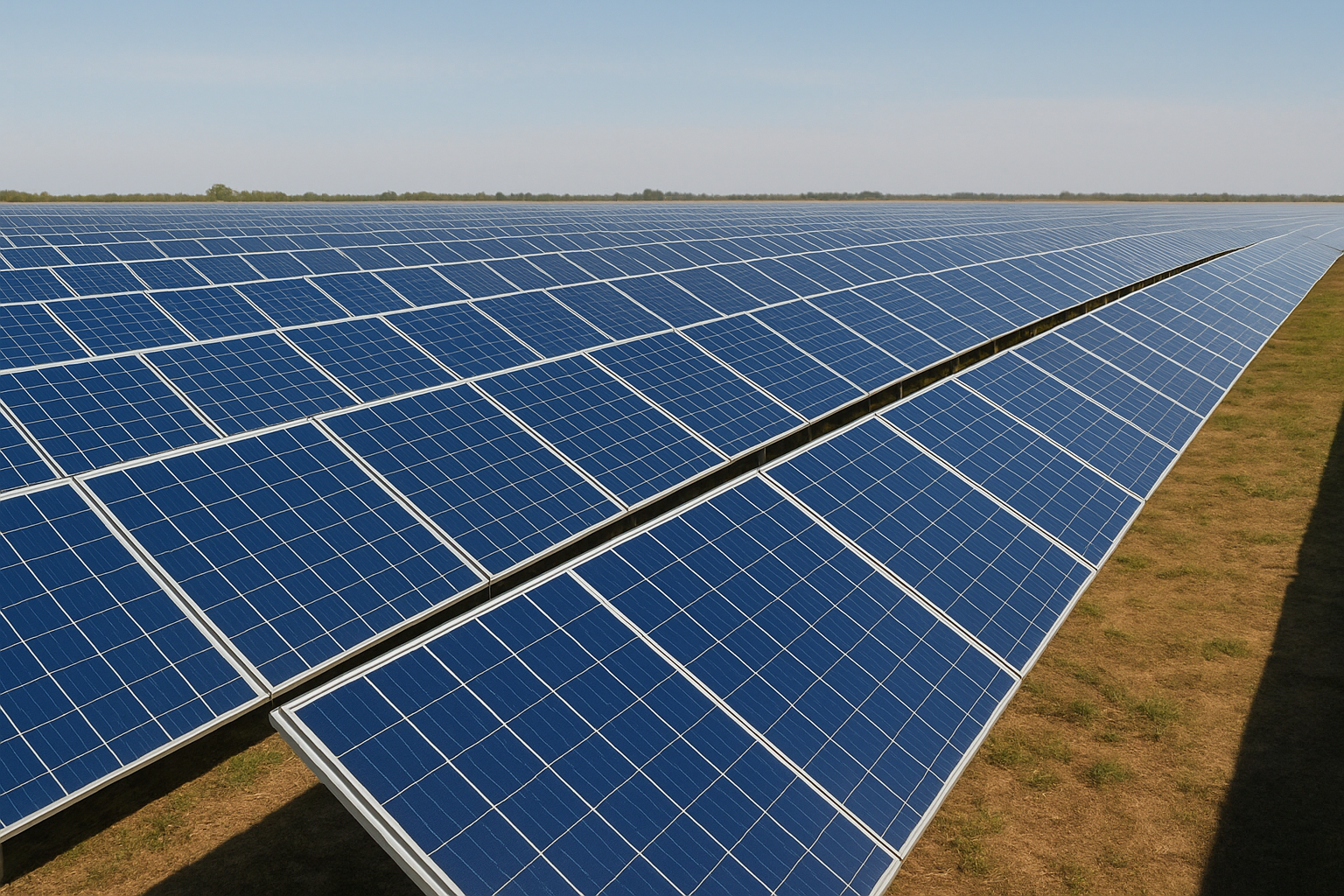
Solar photovoltaic technology has moved from niche, policy-driven deployment to a mainstream commercial option in numerous regions. Developers and buyers now evaluate solar primarily on lifetime costs and delivery profiles rather than on subsidy availability.
This shift is changing procurement strategies for utilities and large customers. Long-term contracting for solar, often paired with batteries, is now a core tool for securing predictable energy prices and meeting corporate sustainability targets.
Grid operators and planners face new operational demands as high shares of solar change load shapes and daytime supply. System flexibility, investment in transmission and more granular market signals are increasingly important to integrate variable output reliably.
Project finance has adapted to the new economics of solar, with lenders and investors focusing on stable revenue contracts and proven technology performance. That has reduced the effective cost of capital for many projects and expanded access to financing beyond traditional markets.
Despite the economic momentum, challenges remain. Interconnection delays, permitting, land availability, supply chain resilience and end-of-life module management require policy and industry attention. Storage and grid services are essential to address variability and maintain reliability.
Looking ahead, the combination of lower costs, broader procurement practices and storage adoption suggests solar will play a central role in power system decarbonisation. Policymakers and market participants will need to align incentives and infrastructure to capture these benefits while managing transition risks.
FAQs
What does it mean for solar to be ‘economically competitive’ without subsidies?
It means the lifetime cost to build, operate and finance a solar project can be lower than or comparable to the cost of generating electricity from new fossil-fuel plants, so projects can proceed without policy support.
How does cheaper project finance affect solar deployment?
Lower financing costs reduce overall project expenses, improving returns for developers and lowering contracted power prices, which makes more projects commercially viable.
Why is battery storage important as solar grows?
Storage smooths variable solar output, shifts generation to match demand peaks, and provides grid services that help maintain reliability as solar penetration increases.
How are utilities adapting procurement to greater solar supply?
Utilities are incorporating long-term solar and solar-plus-storage contracts, updating planning models for variable generation, and seeking transmission upgrades to access high-quality resources.
What non-cost challenges could slow solar expansion?
Key obstacles include permitting and interconnection backlogs, land-use constraints, supply chain and workforce bottlenecks, and the need for module recycling and disposal strategies.
Can corporate power purchase agreements drive more solar projects?
Yes. Corporations use long-term contracts to secure price certainty and meet sustainability goals, which supports project bankability and attracts investment into new solar capacity.