News at Glance
- *Land demand is rising* as low‑carbon energy infrastructure and critical mineral extraction expand globally, the UN has highlighted.
- *Poor planning risks harm* to ecosystems and livelihoods unless renewable siting and restoration are coordinated with communities and nature goals.
- *Integrated approaches could deliver gains* by combining clean energy deployment with land restoration methods such as dual‑use systems and nature‑based solutions.
Renewable siting competes with ecosystems and agriculture, UN analysis notes
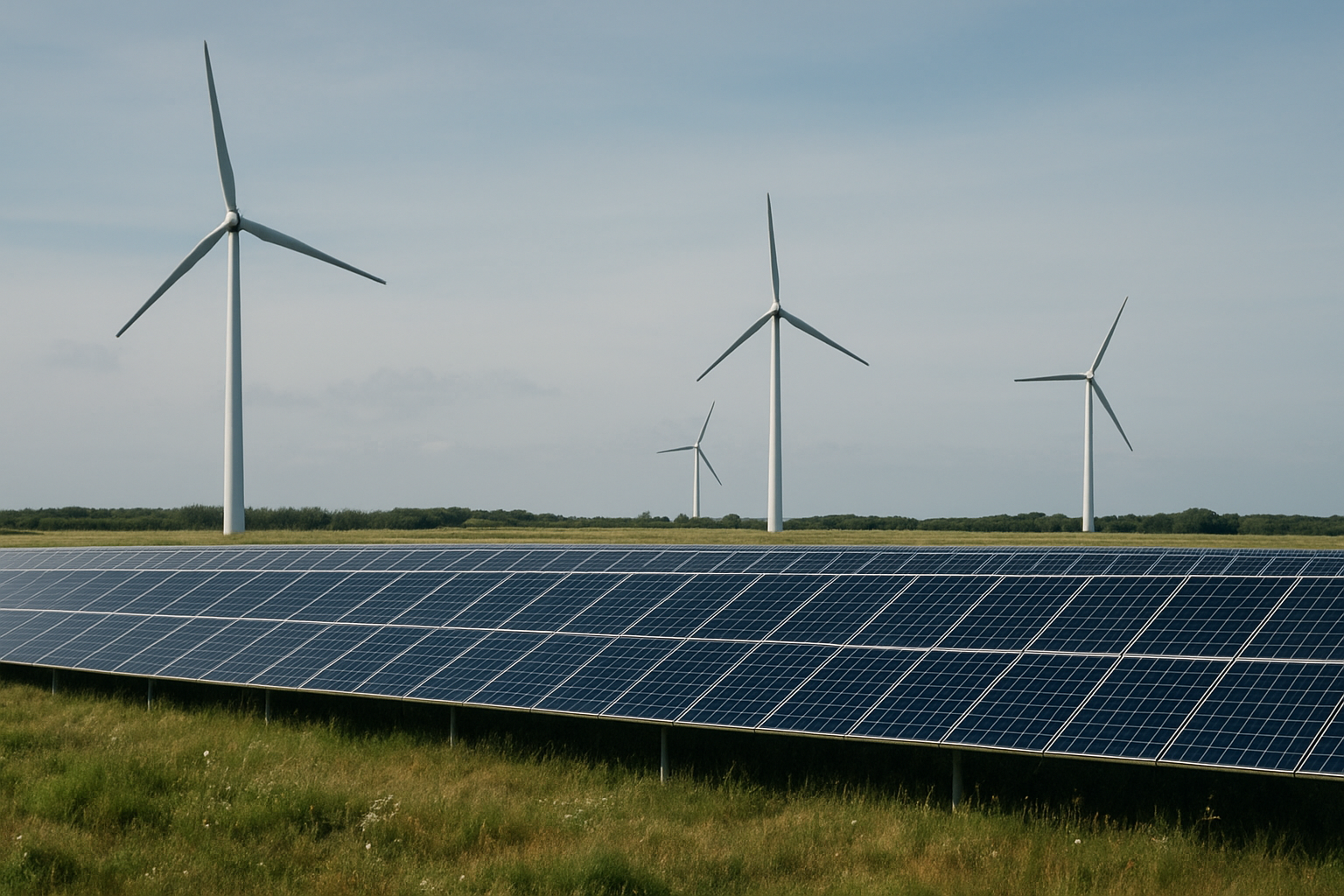
The global shift to low‑carbon energy requires significant land for technologies including large‑scale solar, wind, bioenergy and mining for battery minerals. That demand can create tensions with food production, conservation and the rights of local communities.
According to UN reporting, those tensions need to be managed through spatial planning, safeguards and stronger governance to prevent irreversible losses of biodiversity and livelihoods. The organisation emphasises that land use decisions made today will shape environmental and social outcomes for decades.
Experts and UN advisers advocate for approaches that align energy expansion with land restoration. Examples include co‑locating agriculture and solar panels, restoring degraded lands for revegetation, and rehabilitating sites after decommissioning to deliver carbon and habitat gains.
Policy instruments such as strategic environmental assessments, community consent frameworks and incentives for restoration can reduce conflicts and improve outcomes. The UN says investment and policy coherence are essential to scale restoration alongside energy projects.
Financing mechanisms for restoration remain limited compared with funding for deployment of clean technologies. The report urged mobilising public and private capital to support restoration activities tied to energy infrastructure, and ensuring benefits reach local populations.
Ultimately, the UN frames the issue as an opportunity: with careful planning and safeguards, the clean energy transition could help rehabilitate degraded landscapes rather than degrade them further. That requires integrating land‑use planning into energy policy at national and local levels.
FAQs
How does the clean energy transition increase land demand?
Renewable installations, bioenergy crops and mineral extraction for batteries and infrastructure all require physical space, which increases competition for land used for agriculture, conservation and settlements.
Can renewable projects help restore degraded land?
Yes; where planned intentionally, projects can incorporate restoration activities such as soil rehabilitation, native planting and habitat creation during development or after decommissioning.
What are dual‑use approaches?
Dual‑use methods allow simultaneous uses of land, such as agrivoltaics where crops grow beneath solar panels, reducing competition between food production and energy generation.
What governance measures are recommended?
Strategic planning, environmental assessments, community engagement and clear safeguards are recommended to balance energy rollout with conservation and social needs.
How can restoration be financed alongside energy projects?
Blended finance, policy incentives, and integrating restoration costs into project budgets are among the options to channel funding for rehabilitation and nature‑based solutions.
What role do local communities play?
Local communities are central to identifying suitable sites, informing restoration priorities and ensuring benefits from energy and restoration projects are equitably shared.