
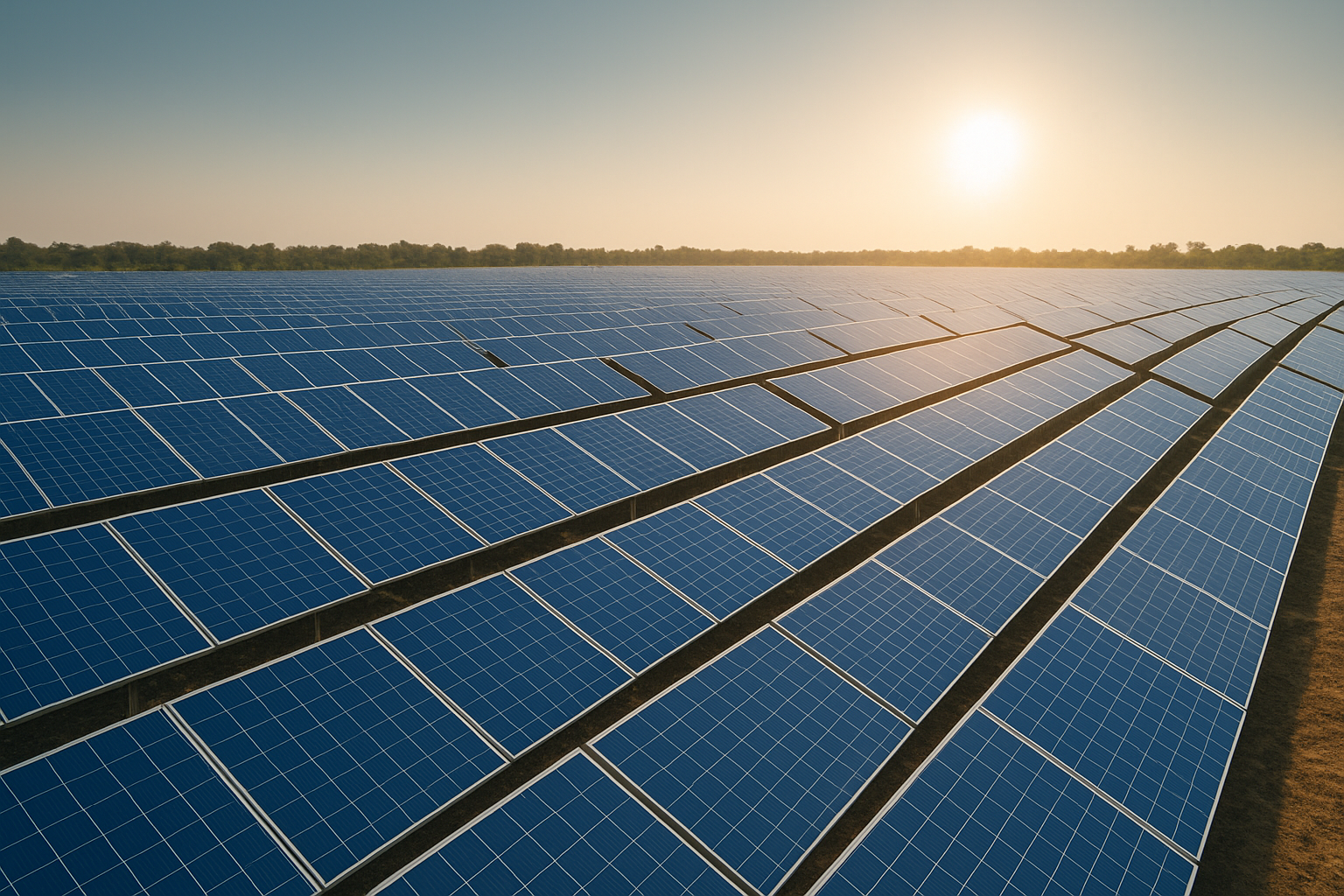
Global installed solar capacity has reached 3 terawatts, reflecting a rapid scaling of photovoltaic deployment worldwide. The milestone underscores a shifting geography of growth as developing nations move from peripheral markets to central players in solar expansion.
Overview
The 3 TW figure marks a new stage in the technology’s diffusion beyond established markets in Europe, North America and East Asia. Growing interest in utility-scale projects, distributed rooftop systems and hybrid installations is diversifying where and how solar is deployed.
Key drivers include continued cost declines for panels and balance-of-system components, broader policy support for clean power, and evolving financing approaches tailored to emerging economies. These factors are enabling projects that were previously uneconomical to reach financial close.
Why This News Matters
Shifting deployment toward developing countries has implications for global emissions trajectories and energy access. Expanding solar capacity in these markets can reduce reliance on expensive or polluting fuels and improve electricity availability in regions with limited grid reach.
The change also affects supply chains and investment flows. Developers, financiers and equipment suppliers increasingly target opportunities outside traditional markets, altering risk portfolios and prompting new business models adapted to local conditions.
Industry Perspective
Industry participants note that project economics in many developing markets have improved as equipment costs fall and local regulatory frameworks mature. Auctions and power purchase agreements remain important tools to create predictable revenue streams for large-scale projects.
Private sector actors are also experimenting with blended finance, concessional capital and partnerships with local institutions to mitigate currency and policy risks. Off-grid and mini-grid solar solutions continue to attract interest where centralized grid expansion is slow.
Future Outlook
Analysts expect the trend toward broader geographic deployment to continue, with technology integration—such as storage and smart inverters—becoming more common. This will help manage variability and support higher shares of solar within national power mixes.
Sustained growth will depend on several factors: stable policy frameworks, improvements in grid flexibility, access to long-term financing and continued cost reductions. Building local skills and supply chain capacity in developing countries will be important to maximize domestic benefits.
Key Highlights
- Global milestone: Installed solar capacity has reached 3 TW globally.
- Geographic shift: Developing nations are emerging as significant markets for new solar deployment.
- Drivers: Cost reductions, policy support and innovative financing are enabling projects.
- Grid and storage: Integration with storage and grid upgrades is becoming critical for higher solar shares.
- Local impact: Expansion can improve energy access and stimulate local industry when supported by capacity-building.
Frequently Asked Questions
What does 3 TW of solar capacity mean?
It refers to the total cumulative installed photovoltaic capacity around the world reaching three terawatts. This is a measure of how much peak electrical generation capacity has been deployed across all solar installations.
Why are developing countries becoming more important for solar?
Developing countries often have strong solar resources and growing electricity demand. Declining equipment costs, improved policy environments and tailored financing have made projects in these markets more viable.
How does solar expansion affect energy access?
Solar can extend electricity supply to underserved areas through grid connections, distributed rooftop systems and off-grid solutions. This can support economic activity and public services where centralized infrastructure is limited.
What are the main barriers to faster solar growth in emerging markets?
Key barriers include limited access to affordable long-term finance, weak grid infrastructure, regulatory uncertainty and shortages of skilled labor. Addressing these challenges is essential to scale deployment sustainably.
Will grid stability be a problem with more solar?
Higher shares of solar require investments in grid flexibility, including storage, demand response and improved system operations. With appropriate measures, grids can accommodate substantial solar generation while maintaining reliability.
How can local economies benefit from increased solar deployment?
Benefits can include job creation in installation and maintenance, development of local supply chains, lower electricity costs and reduced exposure to volatile imported fuels. Realizing these gains depends on policies that encourage local content, training and investment.