News at Glance
- DOE seeks manufacturing approaches that prioritise reduced mass, radiation tolerance and durability for space solar cells.
- Goal is production-ready processes that can deliver reliable, long-lived power for satellites and long-duration missions.
- Emphasis on testing and validation to ensure cells withstand radiation, thermal cycling and degradation in orbit.
Priority focus on lowering array mass and extending operational life
The U.S. Department of Energy has issued a solicitation seeking manufacturing innovations aimed at space-grade solar cells that combine low mass, enhanced radiation tolerance and long-term durability.
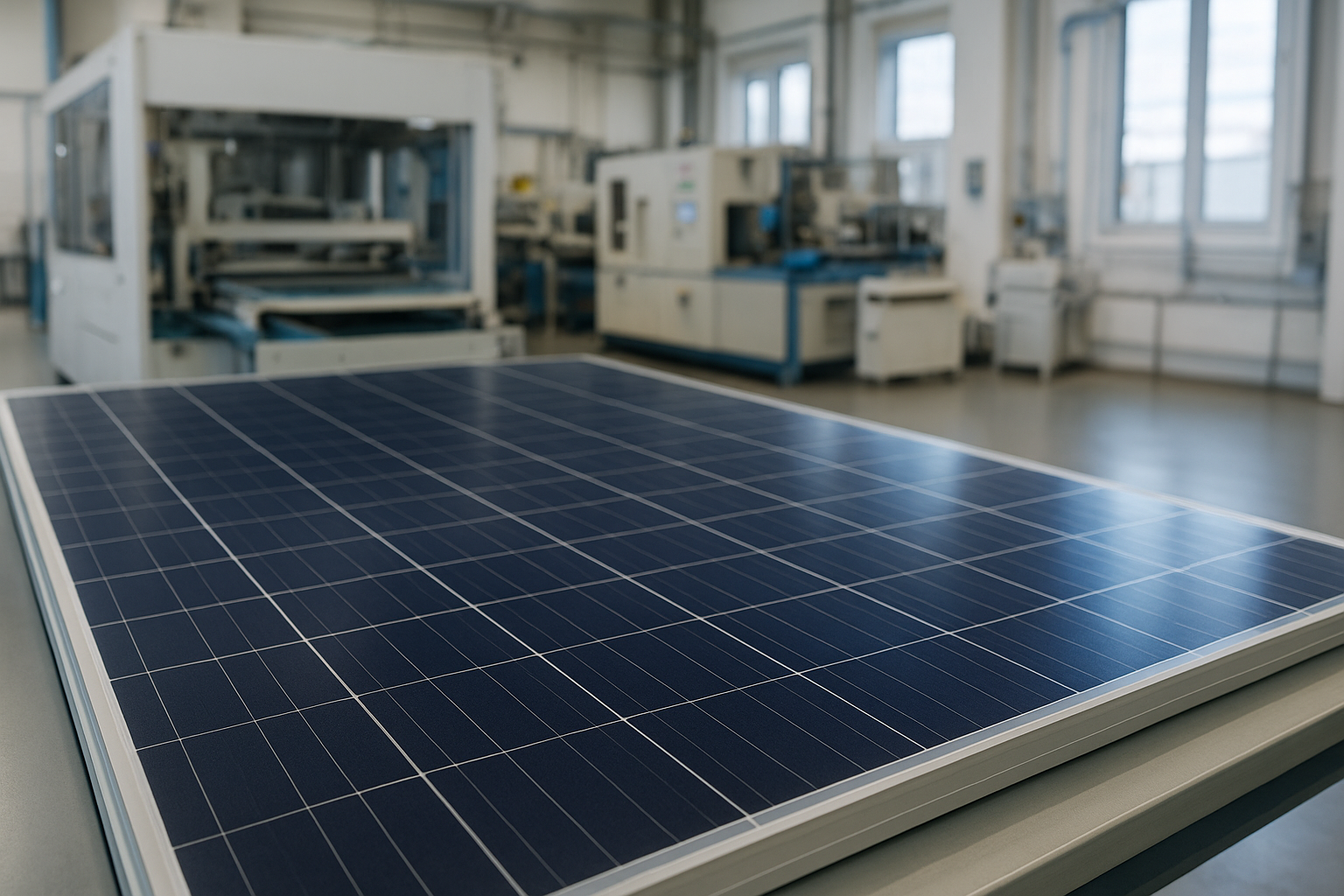
The notice highlights manufacturing and validation approaches intended to move technologies from lab demonstration toward production-ready status for use aboard satellites and other spacecraft.
Reduced mass is central because lighter power systems can lower launch costs and increase payload flexibility, while greater radiation resistance can maintain output over longer missions in harsh orbital environments.
The solicitation also stresses durable materials and assembly methods that mitigate degradation from ionising radiation, thermal cycling and micrometeoroid exposure over mission lifetimes.
Applicants are asked to propose scalable fabrication strategies, test protocols and quality-assurance measures that demonstrate repeatable performance under space-like conditions.
Industry and research groups working on thin substrates, encapsulation, interconnects and manufacturing process control are potential contributors to the objectives, although specific technology approaches are open to proposers.
The DOE move reflects growing demand for resilient, high-performance power sources driven by commercial constellations and exploration missions that require dependable electricity for instruments, communication and propulsion.
Interested parties should consult the agency notice for full submission details and technical requirements to ensure proposals address manufacturing readiness, environmental testing and long-term reliability.
FAQs
What is the U.S. Department of Energy asking for in its space solar cell solicitation?
The DOE is seeking manufacturing solutions that reduce mass, increase radiation tolerance and improve durability so space solar cells can be produced at scale and perform reliably in orbit.
Why does mass matter for space solar cells?
Lower mass reduces launch costs and allows spacecraft to carry more instruments or fuel, improving mission capability and economics.
What does radiation tolerance mean for a solar cell?
Radiation tolerance is the cell’s ability to maintain electrical performance despite cumulative exposure to ionising particles and high-energy photons in space.
How do manufacturers demonstrate durability for space use?
Durability is shown through environmental testing such as thermal cycling, vibration, vacuum exposure and radiation tests that simulate orbital conditions.
Who can respond to the DOE solicitation?
Manufacturers, research institutions and technology developers with proposals for production-ready manufacturing and validation approaches are typical respondents.
How could advances in space solar manufacturing affect satellites?
Improved manufacturing could extend satellite lifetimes, reduce replacement frequency and lower total mission costs by providing lighter, more reliable power systems.