
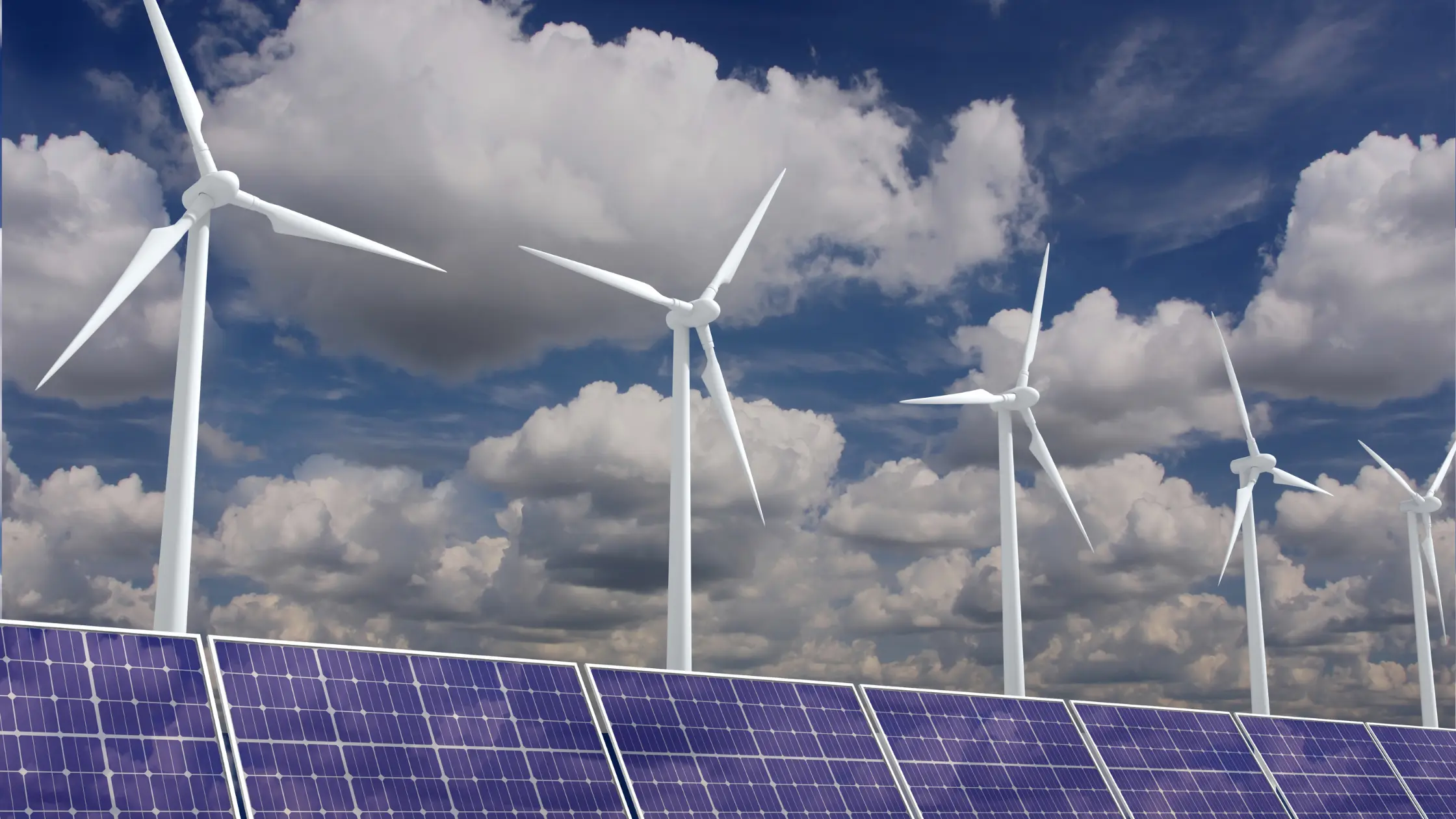
India’s solar energy sector is poised for rapid expansion, with installed solar capacity expected to grow at a compound annual growth rate (CAGR) of 22% between 2026 and 2035, according to a new report by Nuvama.
The report forecasts that India’s overall electricity demand will increase by approximately 6% annually over the next decade, supported by economic growth, urbanisation, industrial expansion, electrification, and the rising energy requirements of data centers.
A key driver of this growth is expected to be the rapid expansion of data center infrastructure and green hydrogen production. Nuvama estimates that these sectors alone could contribute an additional 251 GW of solar capacity under its base-case scenario, while a more optimistic outlook could see solar additions rise to 406 GW by 2035.
As solar installations accelerate, the technology’s share of India’s total power generation capacity is projected to increase from 28% in FY26 to 61% by FY35. Under a bullish scenario, solar could account for as much as 65% of the country’s installed power capacity.
The projections align with India’s broader clean energy roadmap. According to the Central Electricity Authority’s Generation Adequacy Plan, the country aims to expand installed solar capacity from approximately 140 GW in January 2026 to 509 GW by FY36. Renewable energy sources, particularly solar, wind, hydro, and energy storage systems, are expected to dominate future capacity additions.
India has already achieved a significant milestone by reaching its target of sourcing 50% of installed electricity capacity from non-fossil fuel sources five years ahead of schedule. However, experts note that transmission and grid infrastructure upgrades will be critical to support the next phase of renewable energy growth and minimize clean energy curtailment.