News at Glance
- WAMC described a proposed project as the largest U.S. solar development in a recent feature on large-scale renewables.
- Utility-scale solar projects typically require extensive grid and transmission upgrades and increasingly pair with battery storage to manage variability.
- Land use and local permitting are central to debate as communities weigh economic benefits against environmental and visual impacts.
Grid Upgrades and Storage Needed for Utility-Scale Solar Expansion
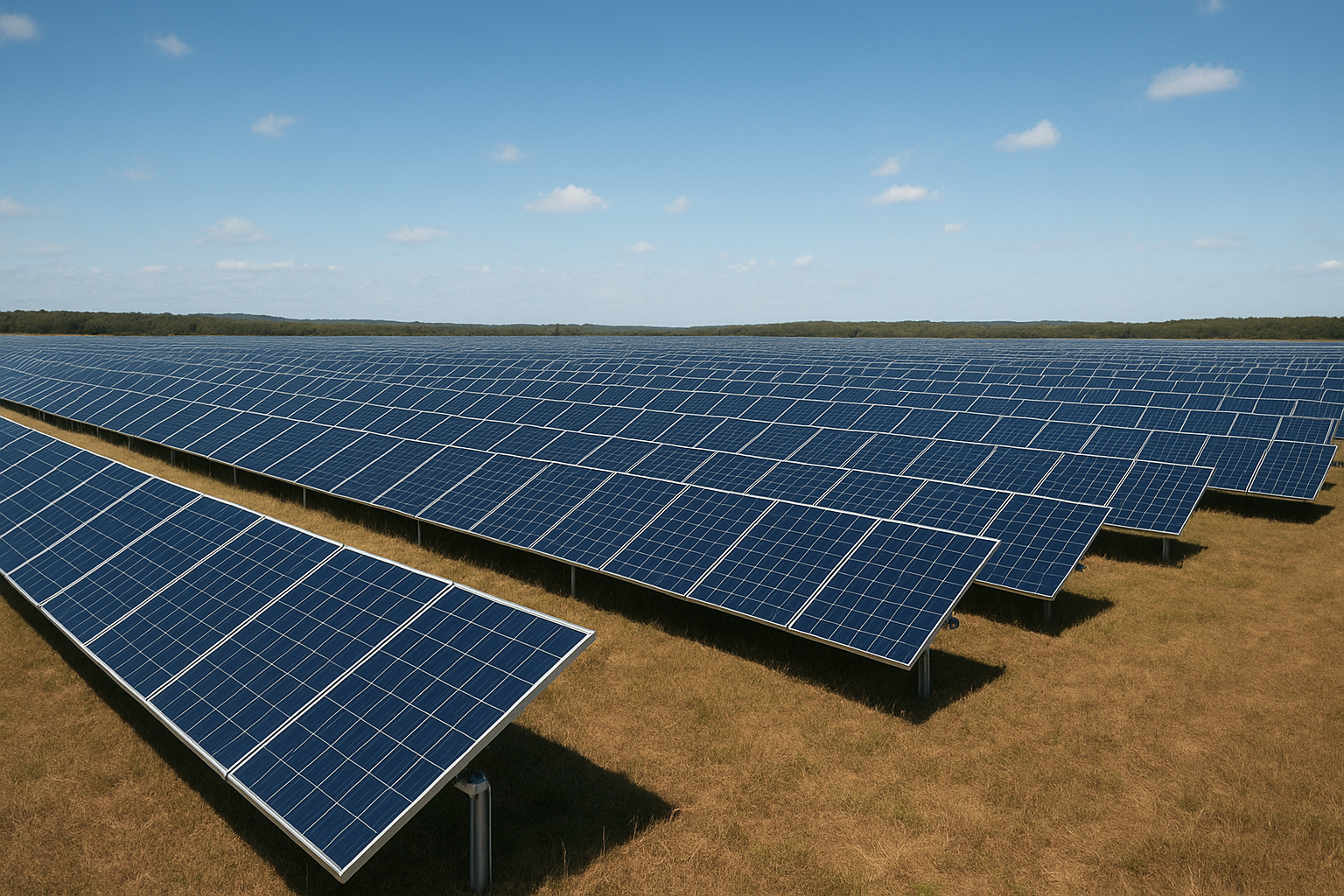
A recent WAMC feature highlighted a solar development described as the largest in the United States, prompting renewed attention to the technical and social requirements of very large renewable projects.
Projects at that scale often bring benefits such as large volumes of clean generation and local job creation during construction, but they also raise complex questions about transmission capacity, siting and long-term operations.
Interconnection to the bulk power system can require new high-voltage lines, substation work and coordination with regional grid operators to maintain reliability as variable output grows.
Developers increasingly include battery energy storage to firm output, provide ancillary services and better match generation to demand, but storage adds cost and requires separate permitting in many jurisdictions.
Land use is a recurring point of contention: large projects use substantial acreage, which can affect habitat, agriculture and community aesthetics. Local approvals and environmental reviews can extend timelines.
Policymakers and utilities face trade-offs between accelerating decarbonization and ensuring orderly grid integration, transparent community engagement and equitable economic outcomes for host regions.
FAQs
What defines the size of a utility-scale solar project?
Size is typically measured by generation capacity expressed in megawatts (MW) or gigawatts (GW), and by the land area required. Capacity determines expected electricity output, while acreage affects siting and environmental impacts.
How do large solar projects connect to the electricity grid?
They connect via transmission or distribution lines to substations and then to regional grid operators. Significant projects often need upgrades to lines and substations and must follow interconnection study processes.
Why is battery storage paired with large solar installations?
Battery storage smooths variable solar output, shifts energy to higher-demand periods, and provides grid services like frequency regulation, improving reliability and market value of solar generation.
What are the common local concerns about large solar developments?
Communities often raise issues about land use, impacts on agriculture and wildlife, visual change, noise during construction, and the distribution of economic benefits.
What permitting processes do large solar projects typically face?
Projects generally require local land-use approvals, environmental reviews, and state or federal permits for transmission and habitat impacts, plus interconnection agreements with grid operators.
How do utility-scale solar projects affect carbon emissions?
By displacing electricity generated from fossil fuels, large solar installations reduce greenhouse gas emissions over their operational life, contributing to decarbonization of the power sector.