
Introduction
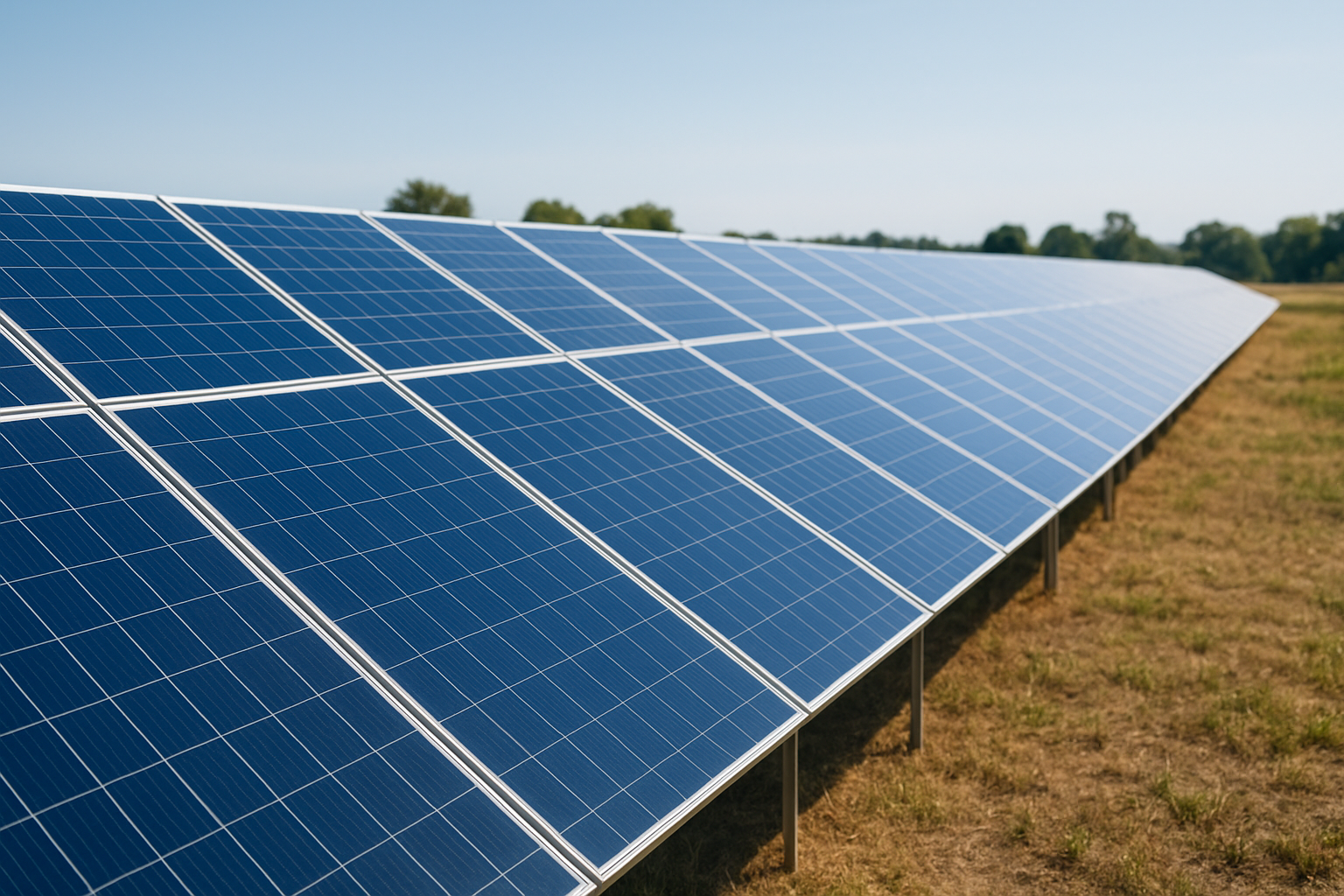
India is reported to be on track to achieve a record level of solar power installations in 2026, reflecting sustained momentum in the country’s renewable energy transition. The expected surge is being attributed to a combination of policy support, favourable economics and increased developer activity across utility and distributed segments.
Overview
Government targets and auction pipelines have helped shape investor expectations, while falling module and financing costs have broadened project viability. Both large-scale projects and rooftop systems are contributing to deployment, with states and private buyers driving demand across different segments.
Grid integration, land allocation and transmission infrastructure remain central considerations as the pace of builds rises. Policymakers and system operators are balancing speed of rollout with reliability and system stability concerns.
Why This News Matters
A record year for solar installations would mark a significant milestone in India’s decarbonisation pathway and energy security strategy. Greater solar capacity can reduce reliance on fossil fuels, lower operational costs for power systems and support climate commitments.
Rapid capacity additions also shape investment flows. Developers, equipment suppliers and financiers track deployment trends closely to calibrate project pipelines, supply chains and capital allocation.
Industry Perspective
Developers point to mature auction frameworks and clearer policy signals as enablers for accelerated deployment. Market participants cite predictable procurement processes and credit support mechanisms as critical to unlocking projects at scale.
Equipment manufacturers and EPC contractors note improved supply chain resilience compared with earlier years, though they flag potential bottlenecks in grid infrastructure and skilled labour as areas that need attention to sustain high build rates.
Future Outlook
Maintaining high installation rates beyond the anticipated record year will depend on coordinated action across policy, finance and grid planning. Investment in transmission, storage and flexible generation will be necessary to integrate growing variable renewable generation.
Innovation in financing, such as green bonds, bundled procurement and credit enhancements, could broaden participation from institutional investors. Likewise, advances in energy storage and demand-side management will influence the effective utilisation of new solar capacity.
Key Highlights
- Policy momentum: Stable procurement frameworks support developer confidence.
- Market dynamics: Improved economics and supply chains are driving project viability.
- Grid integration: Upgrades to transmission and flexibility resources are becoming more urgent.
- Investment flows: Broader financing instruments are emerging to fund large pipelines.
- Technology mix: Utility-scale, distributed solar and storage deployments are shaping system outcomes.
Frequently Asked Questions
What is driving the expected rise in solar installations in India?
The anticipated increase is driven by a mix of policy support, active procurement under auction programmes, improving project economics and heightened developer interest in building capacity across utility-scale and distributed segments.
How will grid operators manage the influx of solar capacity?
Grid operators typically rely on a combination of transmission upgrades, better forecasting, dispatch flexibility and energy storage to manage variability. Coordination between state and national utilities is important to ensure system reliability as solar penetration rises.
Will rooftop solar play a role in the record installations?
Yes. Rooftop and distributed solar complement large-scale installations by reducing demand on the grid, enabling behind-the-meter generation and improving energy access for commercial and residential consumers.
What are the main investment challenges for rapid solar expansion?
Key challenges include securing long-term financing, managing offtake risk, navigating land and permitting processes for large projects, and ensuring sufficient transmission capacity for evacuated power.
How important is energy storage to sustain high solar deployment?
Energy storage is important for smoothing output, shifting generation to peak demand periods and enhancing grid flexibility. Wider deployment of storage improves the value of solar capacity and supports grid stability.
What policy measures could help maintain momentum after a record year?
Measures that can help include streamlined approvals, targeted transmission investment, incentives for storage and distributed generation, and mechanisms to reduce financing costs and commercial risks for developers and investors.