News at Glance
- BBC reported an offshore wind project will bring a jobs boost to Montrose.
- Local economy and supply chain activity are expected during construction and operation, the report said.
- Community and planning considerations remain important as the project moves forward, according to the BBC.
Local employment and supply-chain activity expected in Montrose
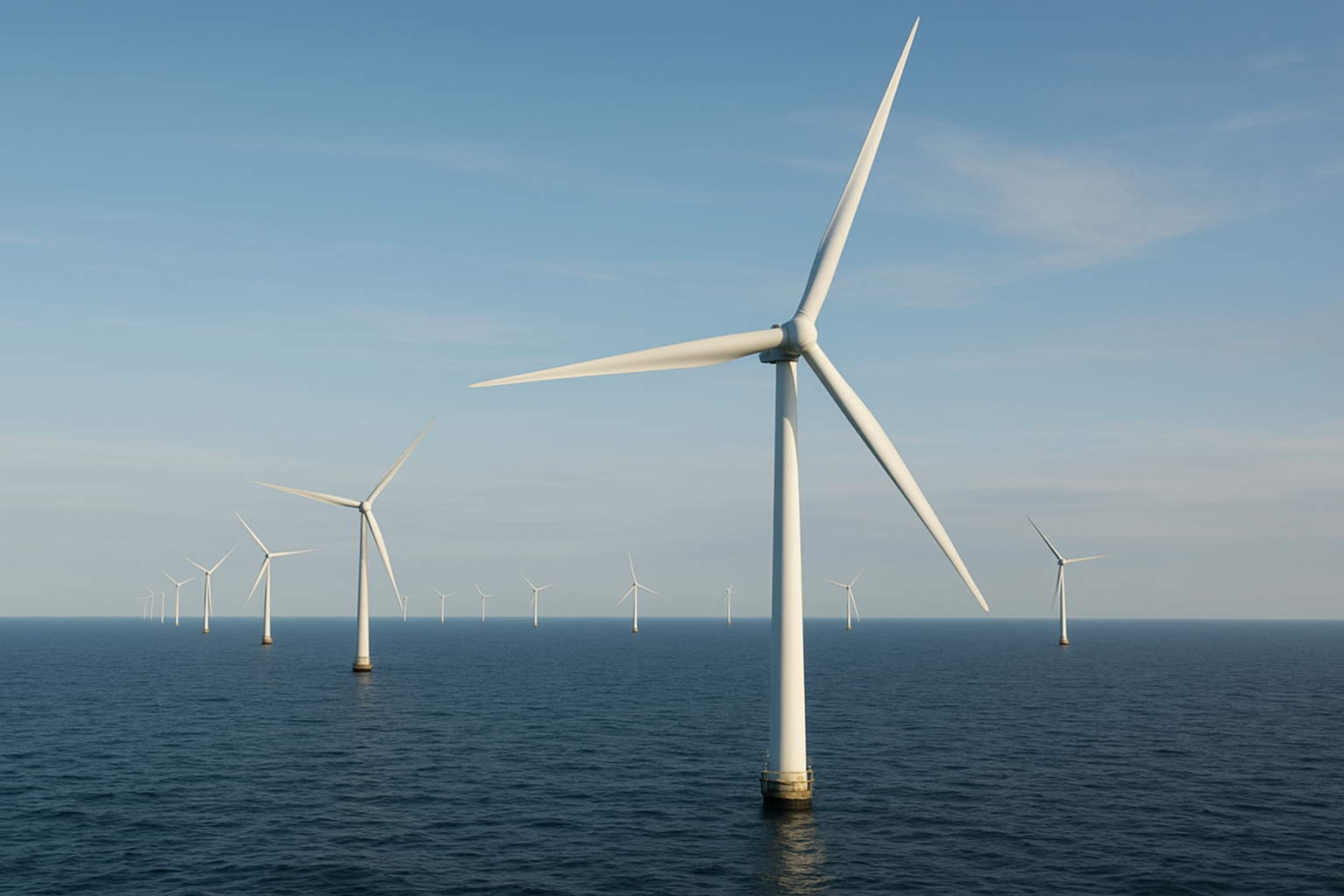
The BBC has reported that an offshore wind plant will deliver a boost to employment in Montrose, signalling new opportunities for the port town’s economy. Details on scale, timing and specific contractors were not set out in the report.
Offshore wind developments typically generate roles across construction, port operations, logistics and long-term maintenance. Such projects can also create demand for local suppliers, marine services and specialist onshore facilities.
Local authorities and community groups often view these investments as a chance to secure sustained economic benefits, including apprenticeships and skills programmes. The BBC coverage noted expectations of job creation but did not provide exact figures or timelines.
At the same time, offshore wind proposals can prompt questions about environmental impact, marine users and planning consent processes. Stakeholders from fisheries, conservation and transport sectors commonly seek clarity on mitigation measures and construction schedules.
Further project milestones usually include formal planning submissions, environmental assessments and procurement rounds for major contracts. Observers say transparency on delivery plans and workforce development is key to maximising local benefits.
FAQs
What is an offshore wind plant and how does it operate?
An offshore wind plant consists of wind turbines installed at sea that convert wind energy into electricity, which is transmitted to shore via subsea cables and connected to the grid through onshore substations.
How do offshore wind projects create local jobs?
Projects create jobs during construction, installation and commissioning, and sustain roles in operations, maintenance, port services, and supply-chain businesses over the operational life of the plant.
What types of local businesses can benefit from an offshore wind project?
Ports, fabrication yards, logistics firms, maintenance providers, accommodation and catering services, and specialist engineering suppliers commonly benefit from offshore wind activity.
What environmental issues are typically considered for offshore wind developments?
Assessments address impacts on marine habitats, birds, fisheries and noise during construction, and propose mitigation measures to minimise ecological disturbance and vessel interactions.
How long does it usually take to build and commission an offshore wind plant?
Timelines vary widely; projects often move through multi-year planning and consenting phases before construction, with installation and commissioning taking additional months to years depending on scale and complexity.
What steps can local communities take to ensure benefits from a wind project?
Communities can engage in consultation, seek commitments on local hiring and training, and work with developers and authorities to secure supply-chain opportunities and community benefit agreements.