Report: U.S. Solar Capacity Can Now Power Over 50 Million American Homes
-2.png&w=3840&q=75)
CleanTech Journal Desk
Published •Updated •7 min read
News at Glance
- More than 50 million homes could be powered by current U.S. solar capacity, the Solar Energy Industries Association reported.
- Assessment by SEIA frames the figure as an estimate tied to cumulative installed capacity and typical household electricity consumption.
- Broad deployment across utility-scale, commercial and residential installations underpins the milestone.
Milestone highlights solar’s expanding contribution to U.S. household electricity needs
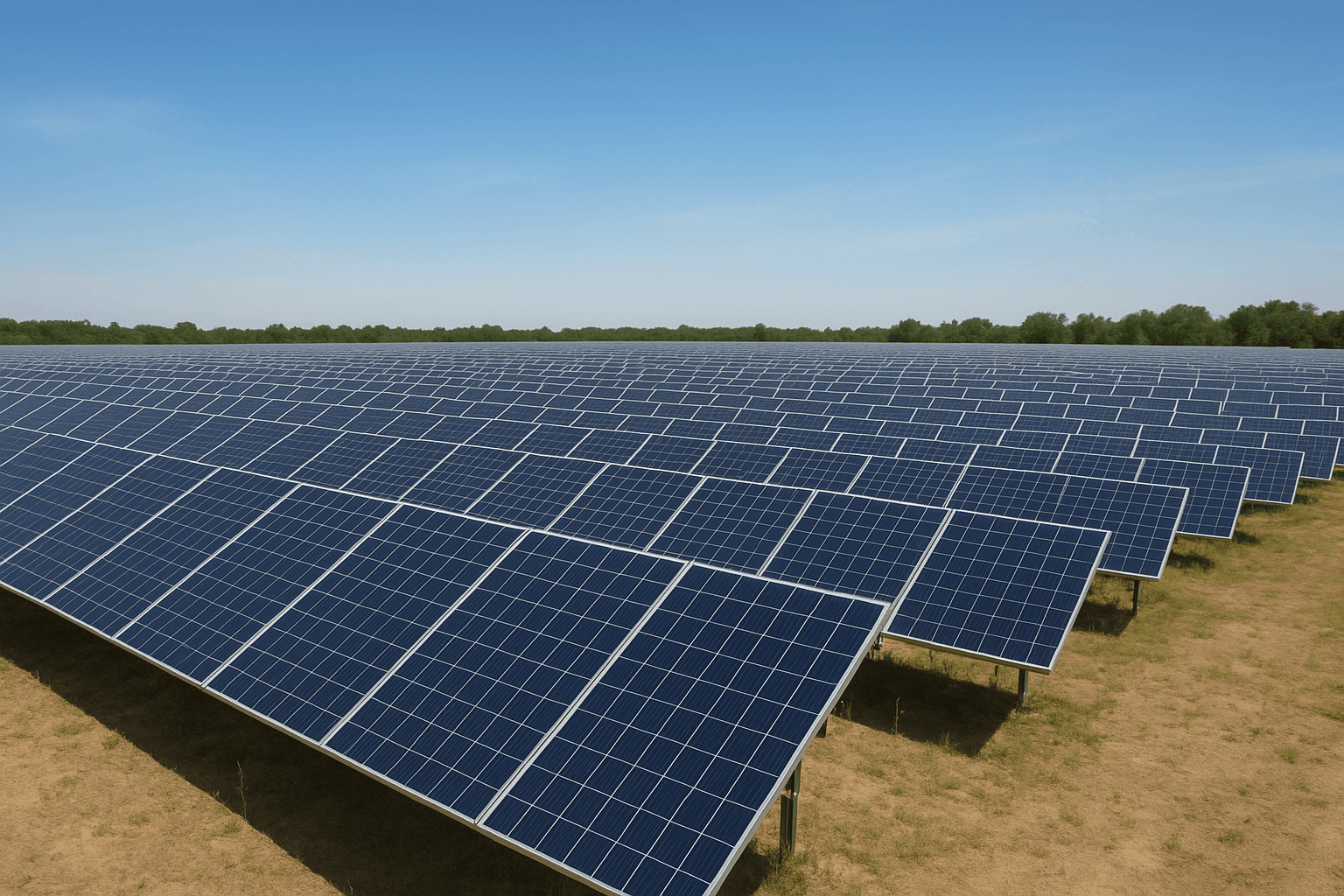
The Solar Energy Industries Association (SEIA) said U.S. solar generation capacity has reached a level sufficient to produce the annual electricity equivalent used by more than 50 million American homes.
The figure is an aggregate estimate based on installed capacity and typical household energy consumption, and it is intended to illustrate solar power’s growing role in meeting residential demand. SEIA’s assessment does not represent energy delivered to specific homes but the total potential output from existing installations.
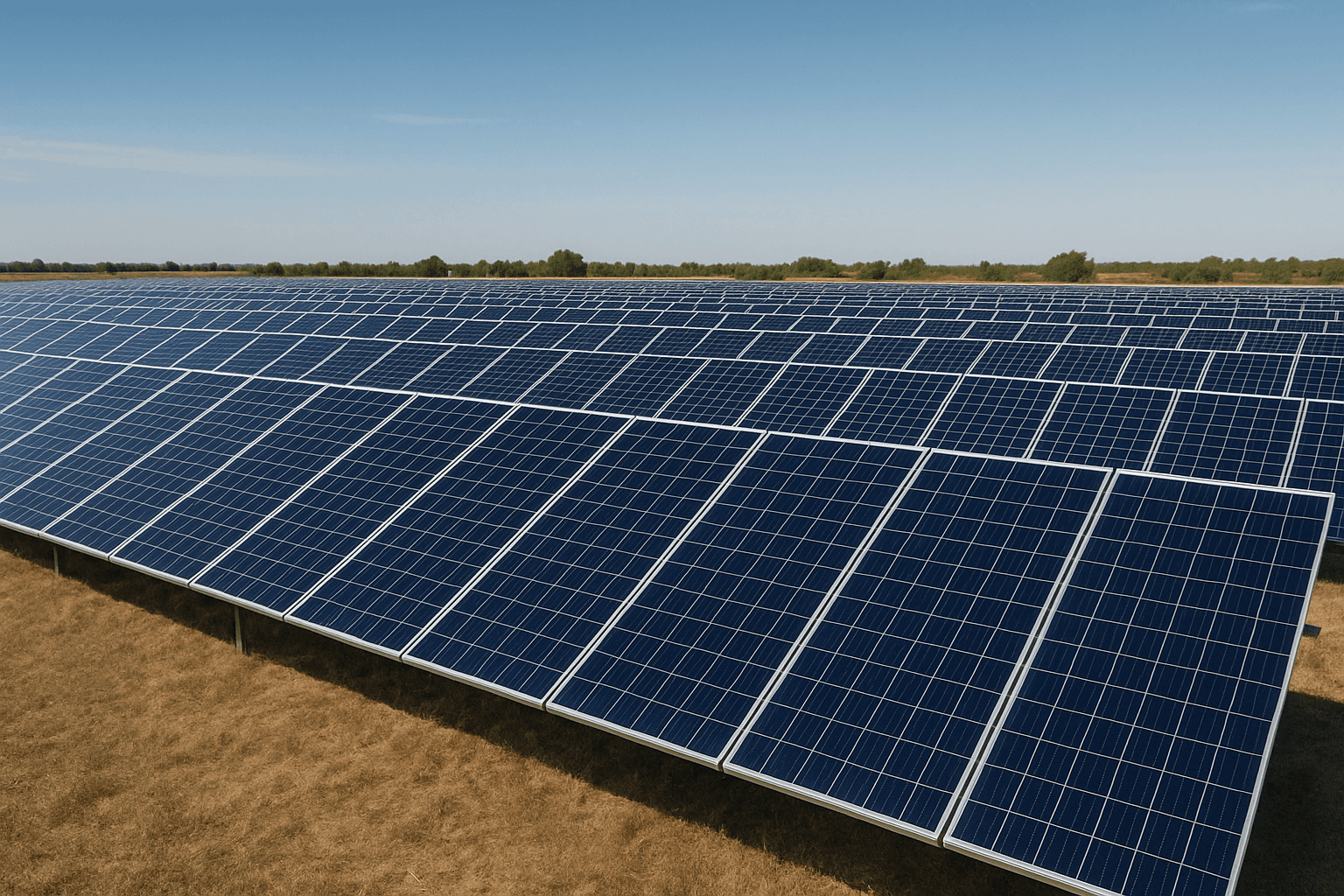
Industry analysts say the milestone reflects years of deployment across utility-scale projects, commercial rooftops and residential systems. Developers and installers have expanded output as costs declined and finance options broadened, supporting deployment in varied market segments.
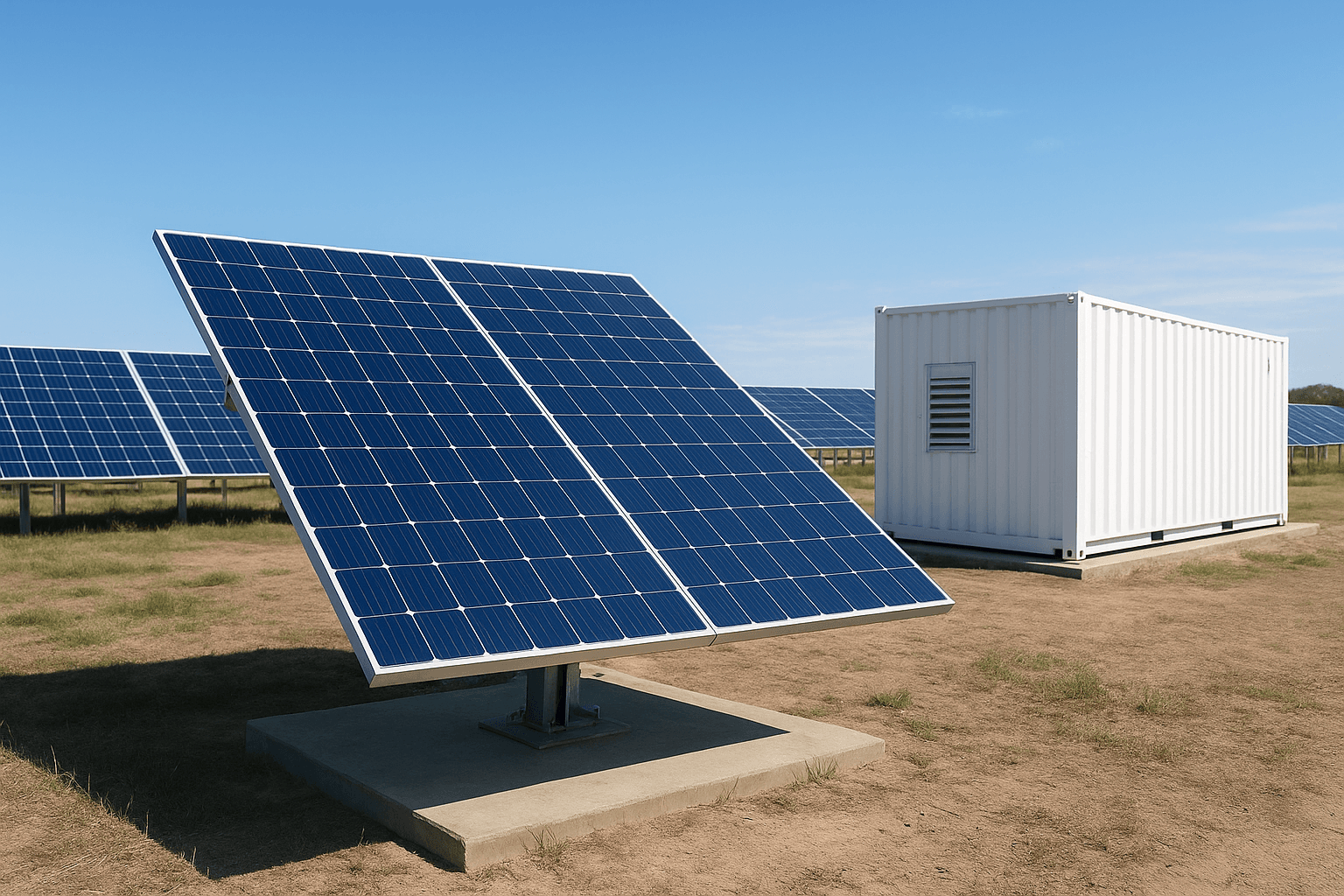
Grid operators and policymakers are increasingly focused on integrating rising solar output, particularly during daytime hours when generation peaks. Pairing solar with battery storage and demand management is viewed as critical to address variability and to improve reliability at higher penetration levels.
Observers note the milestone carries implications for emissions and electricity planning, as increasing solar capacity can reduce dependence on fossil-fuel generation during parts of the day. However, ensuring system flexibility and transmission capacity remains a central challenge as solar grows.
FAQs
What does it mean when a report says U.S. solar capacity can power over 50 million homes?
It means the total annual electricity output potential from all installed solar panels in the United States is roughly equivalent to the average yearly electricity consumption of more than 50 million households, based on typical usage and capacity calculations.
Who is the Solar Energy Industries Association (SEIA)?
SEIA is a U.S.-based trade association that represents the solar industry, providing research, data and advocacy on market trends, policy issues and industry developments.
How is the number of homes powered by solar capacity calculated?
Calculations typically convert cumulative installed solar capacity into estimated annual generation using assumed capacity factors, then divide that generation by an average household’s annual electricity use to produce a homes-equivalent figure.
Does this milestone mean solar meets peak electricity demand?
No. The homes-equivalent metric refers to annual energy potential; meeting peak demand depends on timing, storage, dispatchable resources and grid flexibility rather than annual totals alone.
How does battery storage affect the value of increased solar capacity?
Battery storage can shift solar energy from periods of high generation to periods of higher demand, reducing curtailment, improving reliability and increasing the practical contribution of solar to meeting grid needs.
How can homeowners benefit from rising national solar capacity?
Homeowners may see increased options for rooftop installations, improved financing and falling equipment costs, as well as potential grid benefits such as reduced local emissions and, in some areas, incentives for distributed generation and storage.